

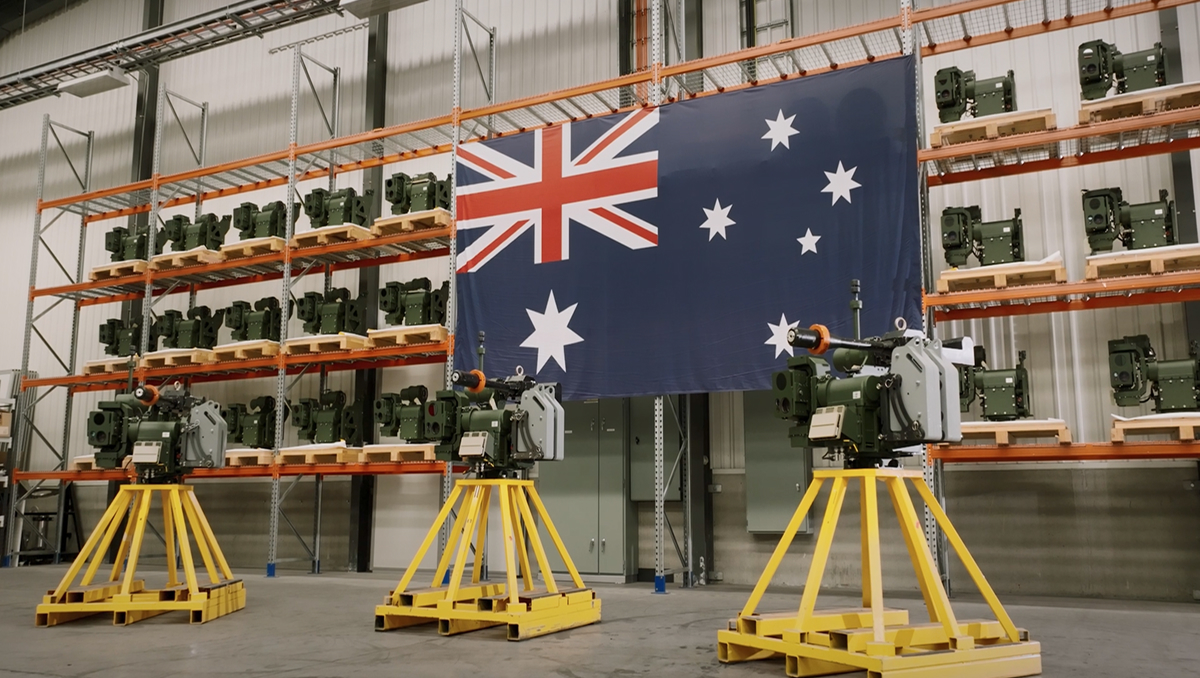
For EOS Defence Systems Australia executive vice president Lee Kormany, that distinction is increasingly important as the pace of technological and operational change challenges traditional defence development cycles.
“When you think about defence capability, you’d normally think of very long development programs. Some systems could take a decade to move from requirements through to a fielded capability,” Kormany says. “We simply don’t have that luxury of time anymore.
“The pace of technological change is increasing, and the threats facing defence forces are evolving just as quickly. If the threat changes rapidly, our capability development processes must be able to adapt just as rapidly.”
Innovation, then, is not just about developing technology. It is about turning it into capability that can be produced, fielded, sustained and continuously improved.
“We take a systems engineering approach that allows us to move capability from concept to production in a structured and repeatable way,” Kormany says.
“That requires greater investment in the architecture and engineering upfront, but it allows you to introduce improvements and move into production much faster later on.
“We also continuously engage with operators and end users. We want to understand the problems they’re trying to solve and ensure that future development effort remains focused on delivering meaningful capability outcomes.”
Adapting at the pace of the threat
The ability to adapt existing capability is becoming increasingly important as operational lessons and emerging threats drive new requirements.
“The objective isn’t simply to build a product. It’s to build a capability that can continue to evolve as threats evolve.”
- Lee Kormany
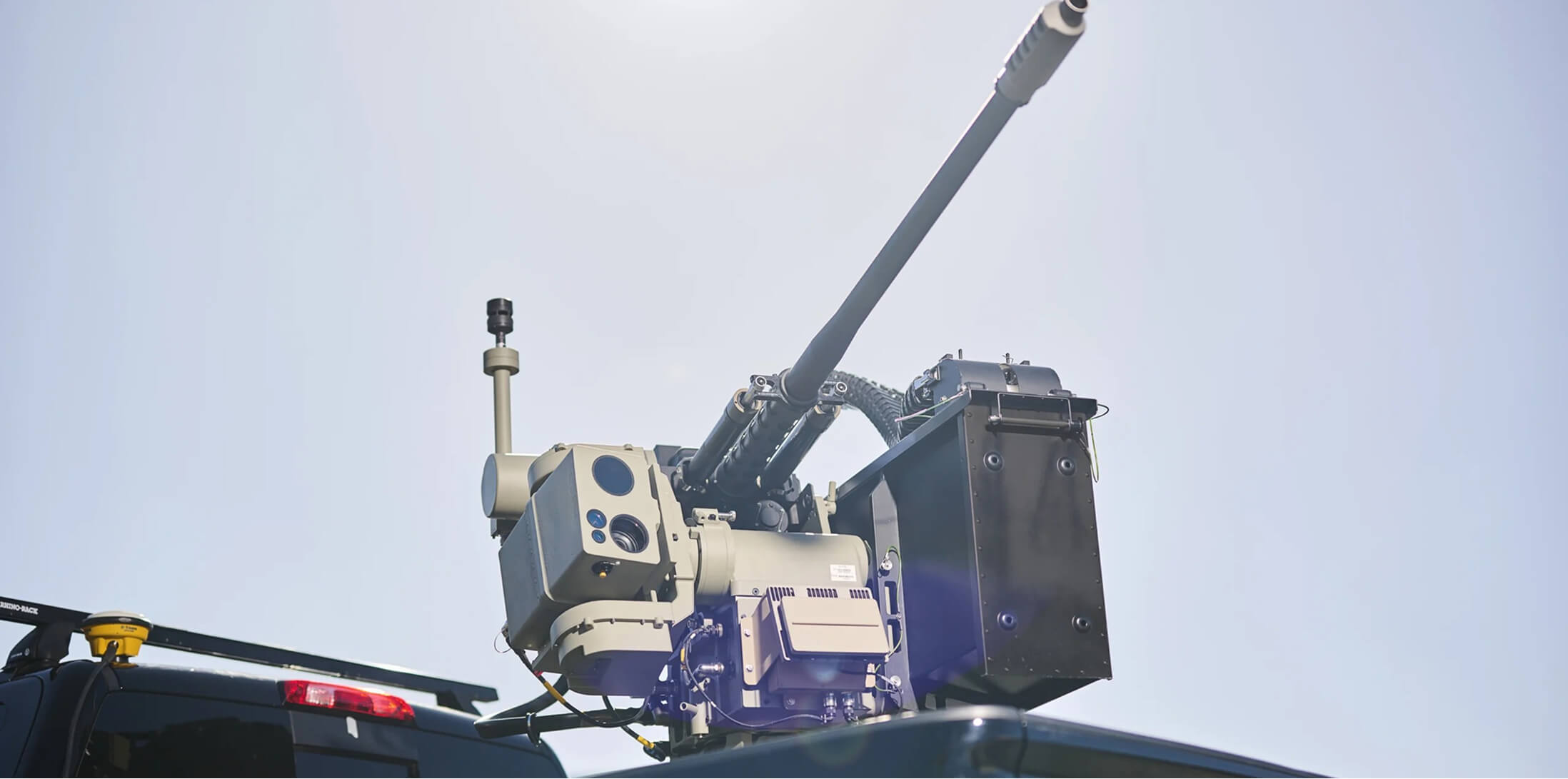
EOS has seen that evolution firsthand through its R400 remote weapon system. Originally developed in the late 1990s, the R400 was designed to enhance crew protection by allowing weapon operators to engage targets from inside the vehicle rather than exposed on top of it. At the time, its focus was predominantly ground-based threats.
“The R400 that exists today is almost unrecognisable from those early systems,” Kormany says.
Operational experience in Afghanistan demonstrated the value of remote weapon systems against asymmetric threats. More recently, the conflict in Ukraine has reinforced the growing importance of counter-uncrewed aerial system capability.
“Listening to customers, we recognised they needed the ability to engage targets well above the horizon and respond to a new class of threat,” Kormany says.
“So rather than redesigning the entire system, we looked at the minimum changes necessary to deliver a meaningful capability improvement as quickly as possible.”
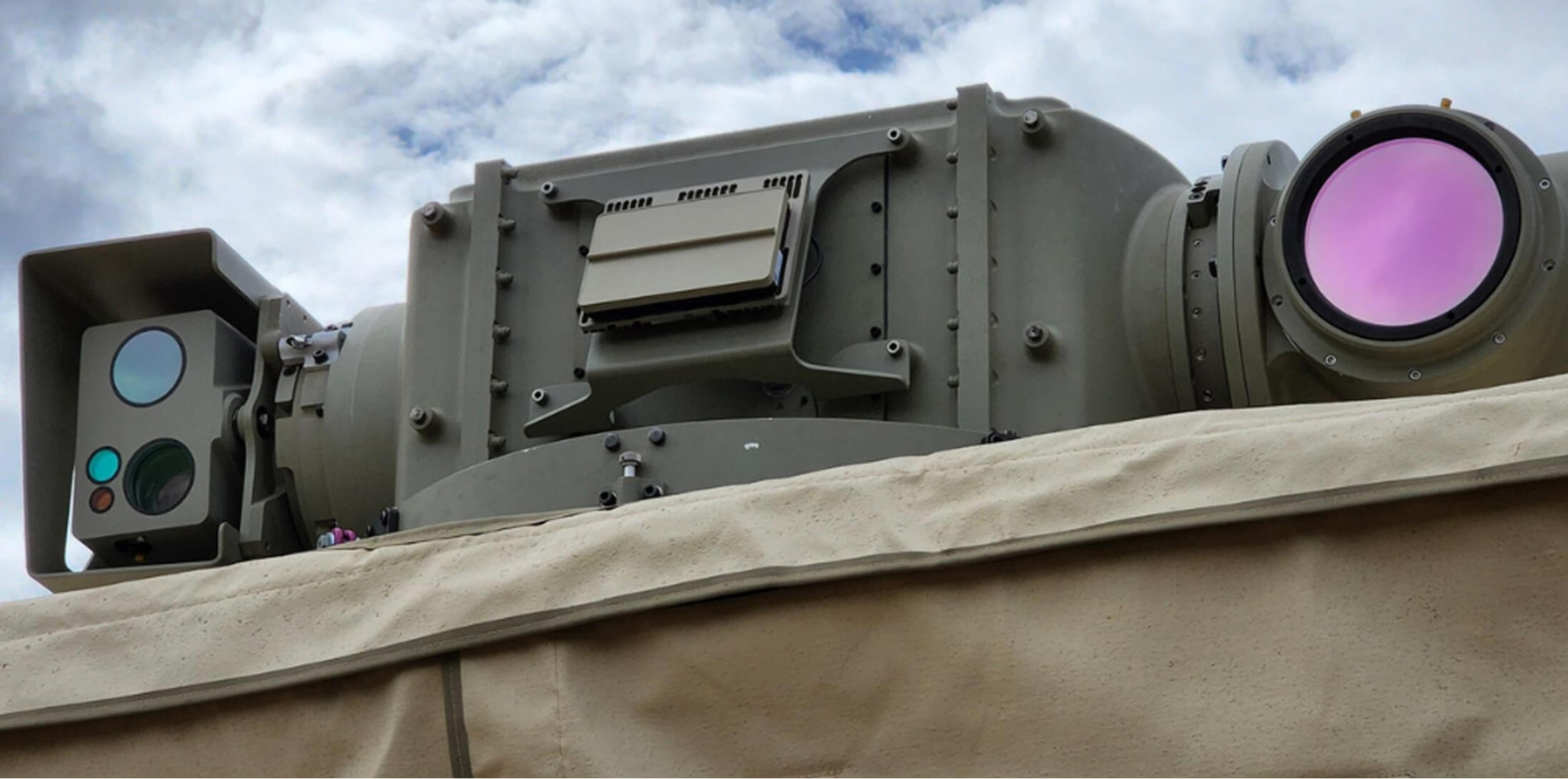
Those changes included increased weapon elevation and independently controlled sensor movement to support the engagement of faster-moving aerial targets.
“The objective isn’t simply to build a product. It’s to build a capability that can continue to evolve as threats evolve.”
From operational need to capability
Adapting at speed also depends on understanding the operational problem early and bringing Defence and industry expertise together to solve it.
The Australian government’s Mission Syracuse initiative provides a current example. Under the Advanced Strategic Capabilities Accelerator, EOS has been selected to develop a production-ready prototype integrating 70 mm laser-guided rockets and a MAG58 7.62 mm machine gun into its R400 Slinger capability.
“Mission Syracuse is a good example of Defence and industry working together to solve an emerging operational challenge,” Kormany says.
“Rather than starting from a blank sheet of paper, we’re building on a proven capability and rapidly adapting it to meet a specific operational need.”
That need is not unique to Australia. EOS has seen growing international demand for counter-drone remote weapon systems, reflected in global orders announced over the past year.
Defence brings an understanding of the operational problem, while industry brings engineering, technology development and manufacturing capability.
“The best outcomes are achieved when Defence and industry work together from the outset,” Kormany says.
“That means sharing knowledge, understanding the problem together and continuously improving the capability throughout its life.”
That collaboration extends across the broader Australian defence industrial base.
“We recognise the expertise that exists across Australian industry. Our partners often provide insights that strengthen our systems and help us identify opportunities for improvement. Equally, we’re happy to contribute our experience where it can help others.”
Sovereign capability as an enabler
The ability to adapt, produce and field capability at speed also depends on having the industrial capacity to do so.
Australia’s 2026 Defence Industry Development Strategy places industry at the centre of national defence and economic security, with a focus on strengthening sovereign industrial capability and enabling faster, more agile delivery to Defence.
“The defence industry is much more than a supplier to Defence,” Kormany says.
“It is a critical part of Australia’s national security capability.”
Sovereign capability cannot be considered separately from the people, engineering expertise, manufacturing capacity and industry partnerships required to turn technology into operational capability.
“In the future, success won’t belong to organisations that can simply develop new technology. It will belong to those that can rapidly adapt proven capability to meet changing operational needs. “That’s where industry and Defence working together can deliver real advantage.”