It is often quoted from World War I American Expeditionary Forces commanding general John J Pershing that “Infantry wins battles, logistics wins wars.”
Indeed, even well before WWI, the famous quote, “An army marches on its stomach”, was attributed to French emperor Napoleon Bonaparte.
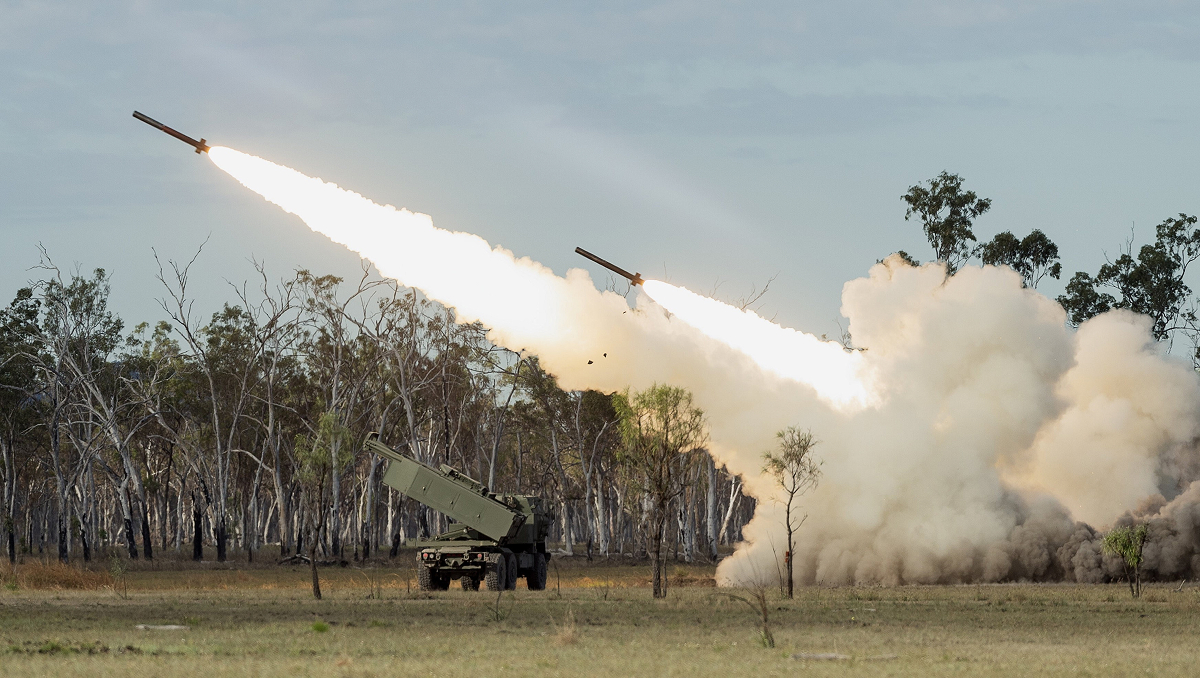
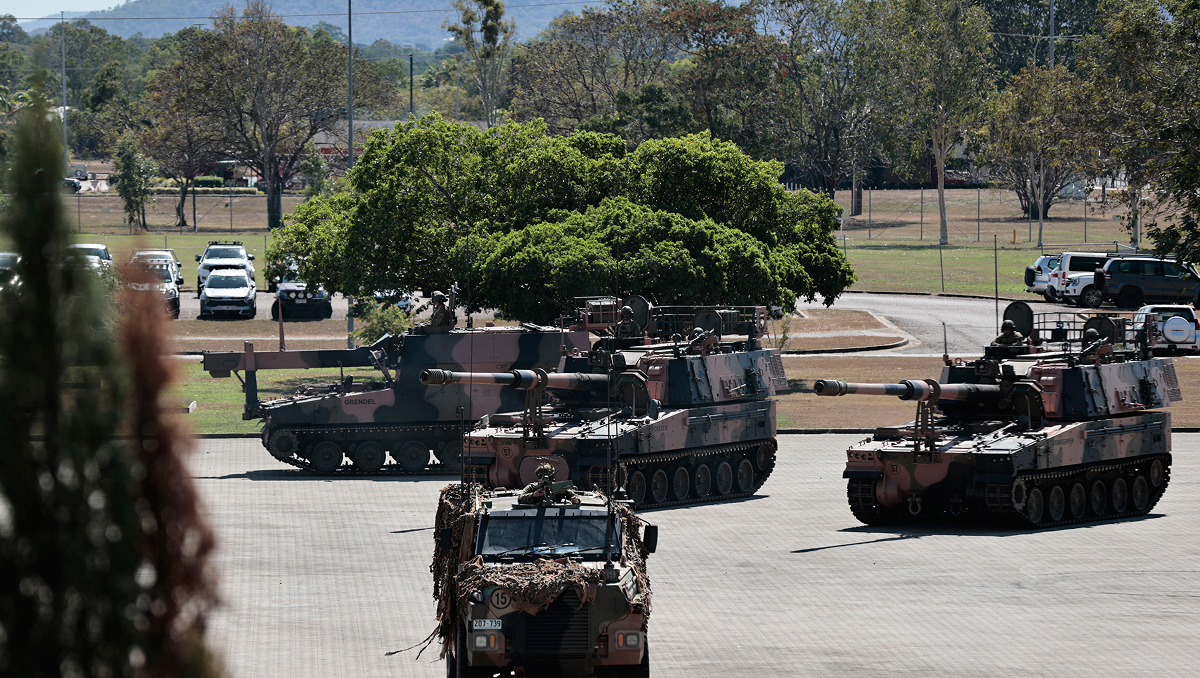
Military capabilities are only effective as long as the logistics networks behind them can keep them in the fight; a common theme seen across the more recent Ukraine–Russia conflict and current fighting across the Middle East.
For Australia, this challenge is magnified by the country’s enormous geography, limited population centres, constrained infrastructure and reliance on global supply chains.
There’s a complexity of geography, complexity of supply and there’s a complexity of engagement with commercial potential sources of resilience. And those challenges need to be really considered deeply before we can actually make any kind of material move on that national resilience piece.”
- Steve Roughsedge
The challenge is therefore no longer simply acquiring the capabilities required by the Australian Defence Force. It is building the resilient logistics infrastructure required to sustain those capabilities through a prolonged and contested conflict.
“The challenge for the ADF is not about how many shiny airplanes has it got, but how do you actually keep it in the fight? That is the key piece,” says Steve Roughsedge, Toll government and defence senior vice-president of theatre supply chain, speaking to Defence Connect.
“There’s a complexity of geography, complexity of supply and there’s a complexity of engagement with commercial potential sources of resilience. And those challenges need to be really considered deeply before we can actually make any kind of material move on that national resilience piece.”
Roughsedge argues that Australia is undergoing a fundamental shift in the way it thinks about military logistics, moving away from a peacetime model focused primarily on efficiency towards one centred on resilience and operational effectiveness.
“There’s been a transformation in thinking within the defence environment, and that’s not just Australia. The alliance partners more generally … we’ve now moved out of the peacetime posture,” he says.
“Moving away from that peacetime posture, which represents a logistics infrastructure which is driven primarily by efficiency … that’s turned on its head now.
“We’re all aware now of the geopolitical positioning which is occurring in our region. Everybody’s woken up and realised that maybe we’re not quite as prepared for the potential contingencies which lie ahead and therefore there needs to be a much greater focus on how do we deliver effects? How do we do it consistently? How we do it with resilience under all kinds of conditions?”
Australia’s geography presents a particularly difficult logistics problem, says Roughsedge. The continent is enormous, infrastructure is unevenly distributed and key transport routes can be vulnerable to disruption from weather, geography or hostile action.
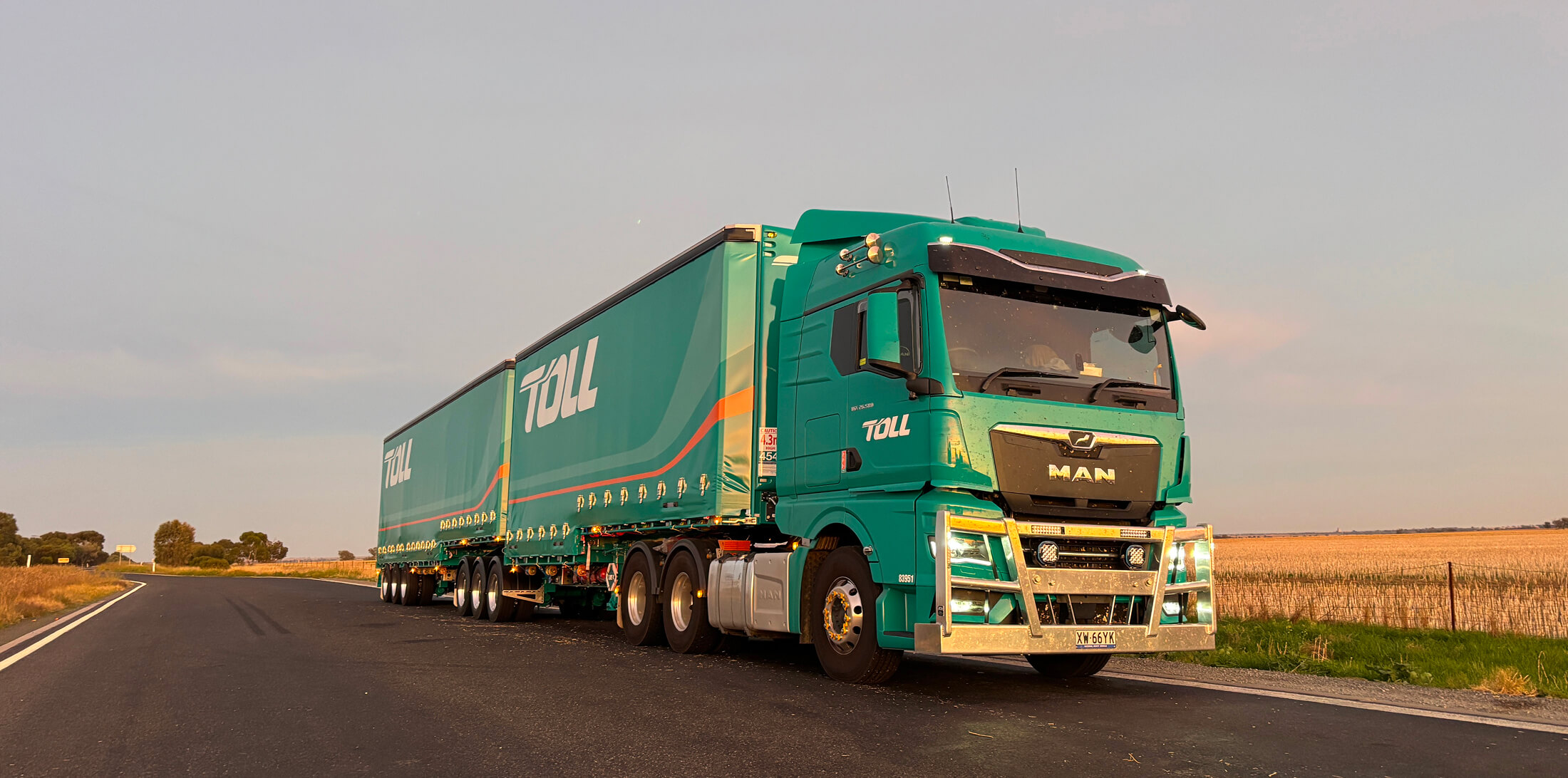
“One of the things that Australia brings to the table which is particularly challenging is it’s big, really big and there is not a great deal of infrastructure around that entire environment. Within a continental USS you‘ve got all kinds of commercial and military logistics channels … In Australia, that‘s not the case. We have a massive continent which can be held at ransom by the weather. (For example) the one primary road connecting Darwin to the rest of Australia gets washed out every couple of years,” Roughsedge says.
“How do you get regular fuel supplies when you’ve got roads that are washed down, you’ve got railway lines that are washed out? How do you survive cyclones coming through a very large part of the country which is right in the theatre of interest?
“It‘s really interesting dynamic. A very, very difficult place to do business.”
For Roughsedge, the answer requires Defence to look beyond traditional military logistics infrastructure and consider the broader commercial networks already operating across Australia.
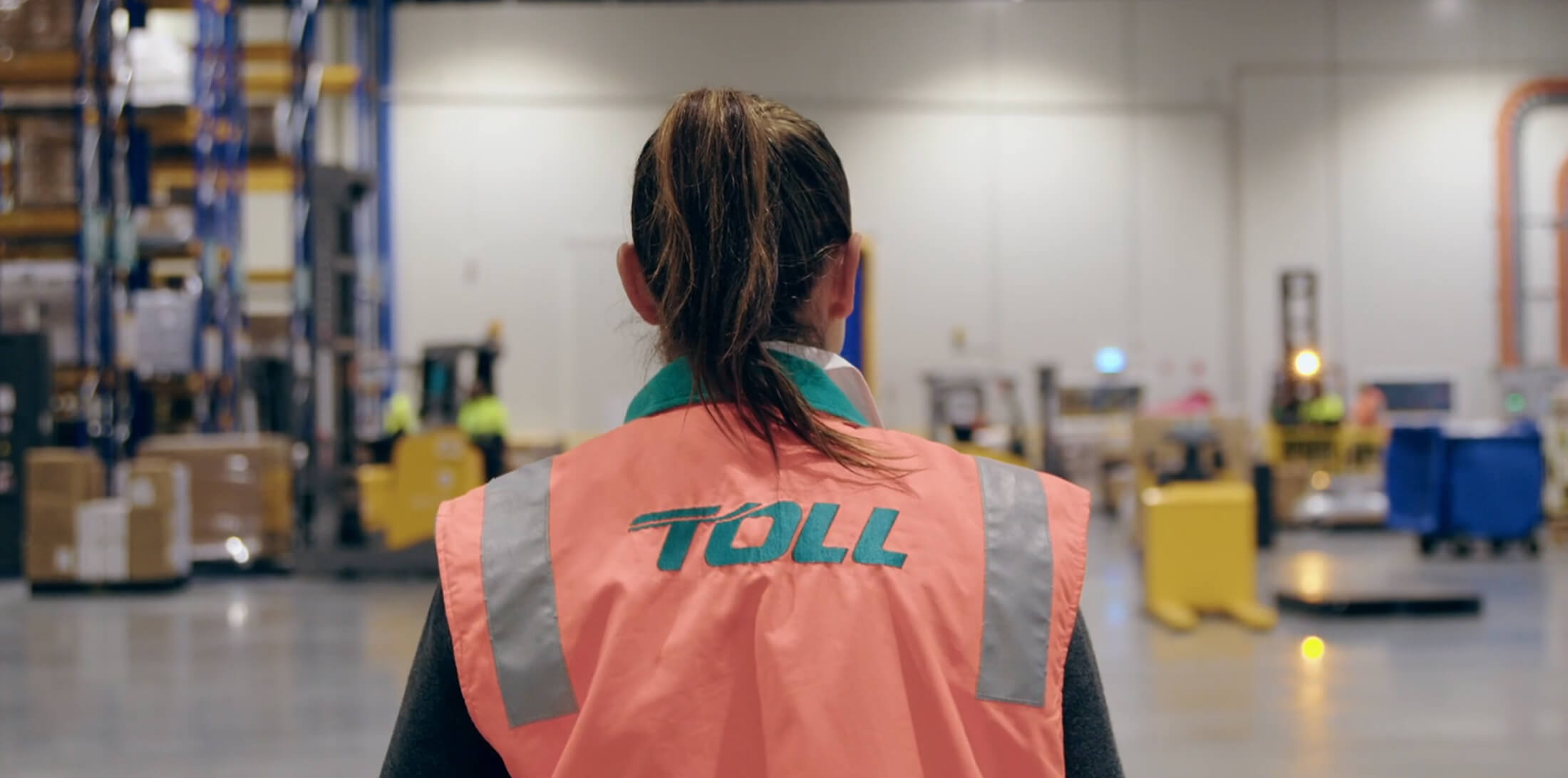
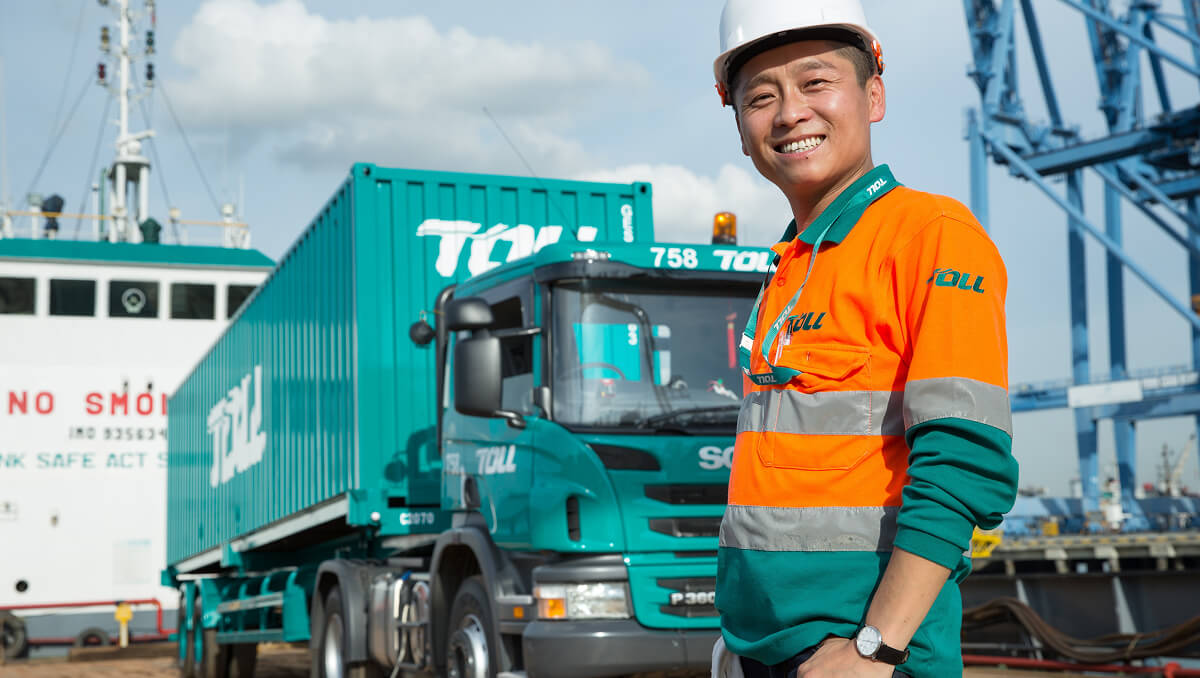
Toll, which has supported the resources sector across northern Australia for decades, possesses infrastructure, assets and logistics expertise in many of the same areas where the Australian Defence Force is increasingly seeking to establish and sustain its northern defence basing posture.
Those capabilities include transport networks, warehousing, fuel infrastructure, distribution systems and personnel operating across remote parts of the country.
“We currently are one of the largest providers of logistics services to probably the largest logistics operation on the planet, which is the resources sector,” Roughsedge says.
“We’ve been supporting the resources sector across the entire … north of the Brisbane line for a very long time, and that is the territory which is represented by the northern posture of the ADF.”
The opportunity, he argues, is to understand how existing commercial capabilities could be incorporated into a more resilient defence logistics network.
That requires a fundamental change in the way Defence thinks about its relationship with industry.
Historically, logistics contracts have often been structured around individual tasks or services, with an emphasis on delivering specific outputs as efficiently as possible.
But the emerging operational environment requires something broader: a logistics “fabric” capable of adapting to changing requirements and delivering effects across an interconnected network.
“The ADF has now … redefined their model of logistics. It is now a problem fabric,” Roughsedge says.
“There is an understanding that how these pieces of the puzzle interact is potentially less important than actually achieving the effect required.”
For industry, that means moving beyond simply providing a warehouse, transport service or individual logistics function.
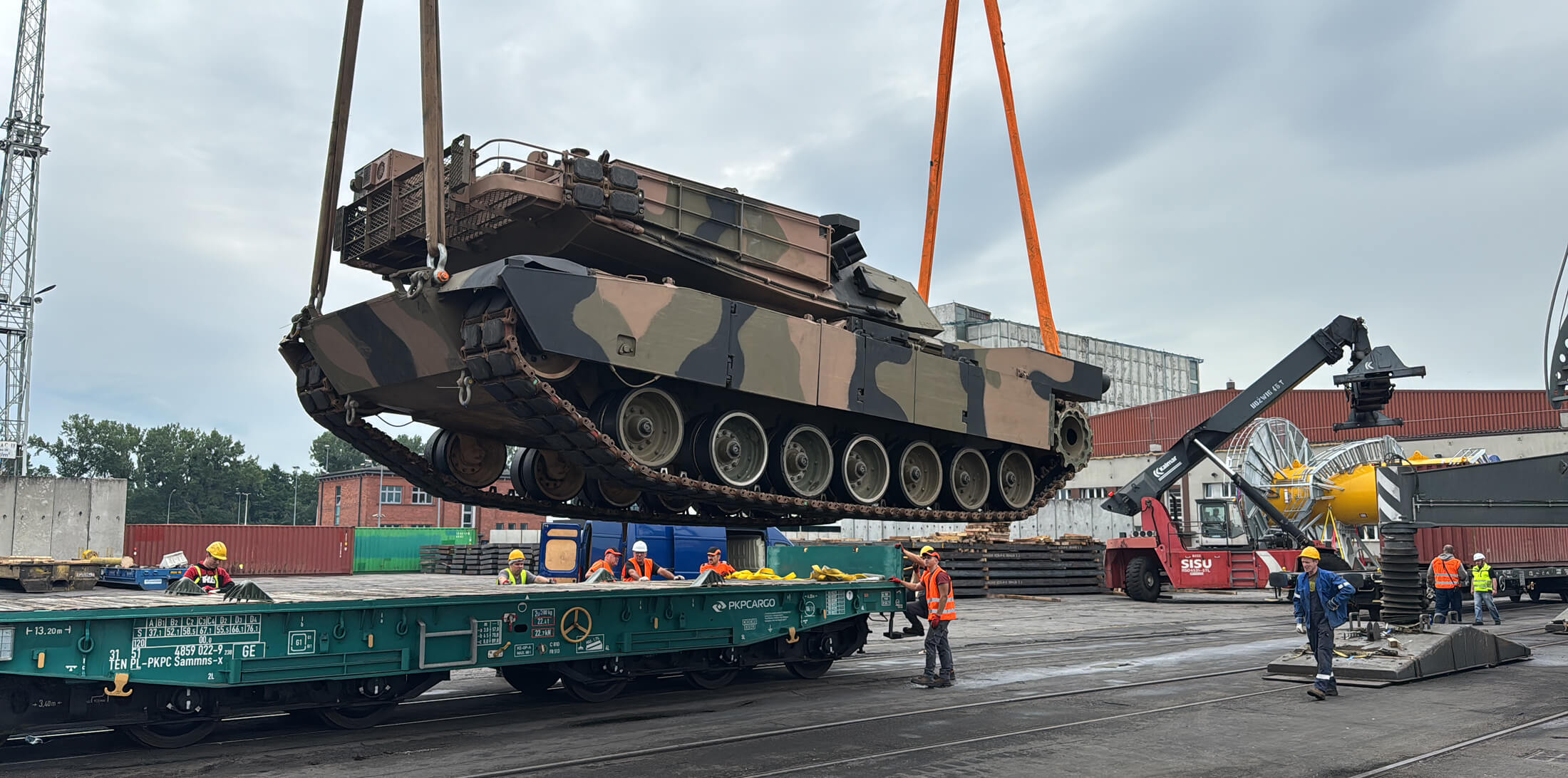
Toll’s theatre supply chain model is designed around combining different capabilities into an integrated solution, bringing together warehousing, distribution, information systems, infrastructure and subcontractors to meet the specific requirements of an operation.
“Sergeant Joe Blogs on the front line… doesn’t give a damn how it gets there, he just wants it in his hand,” Roughsedge says.
“As long as the demand can get into the system, then a whole bunch of wheels need to move.”
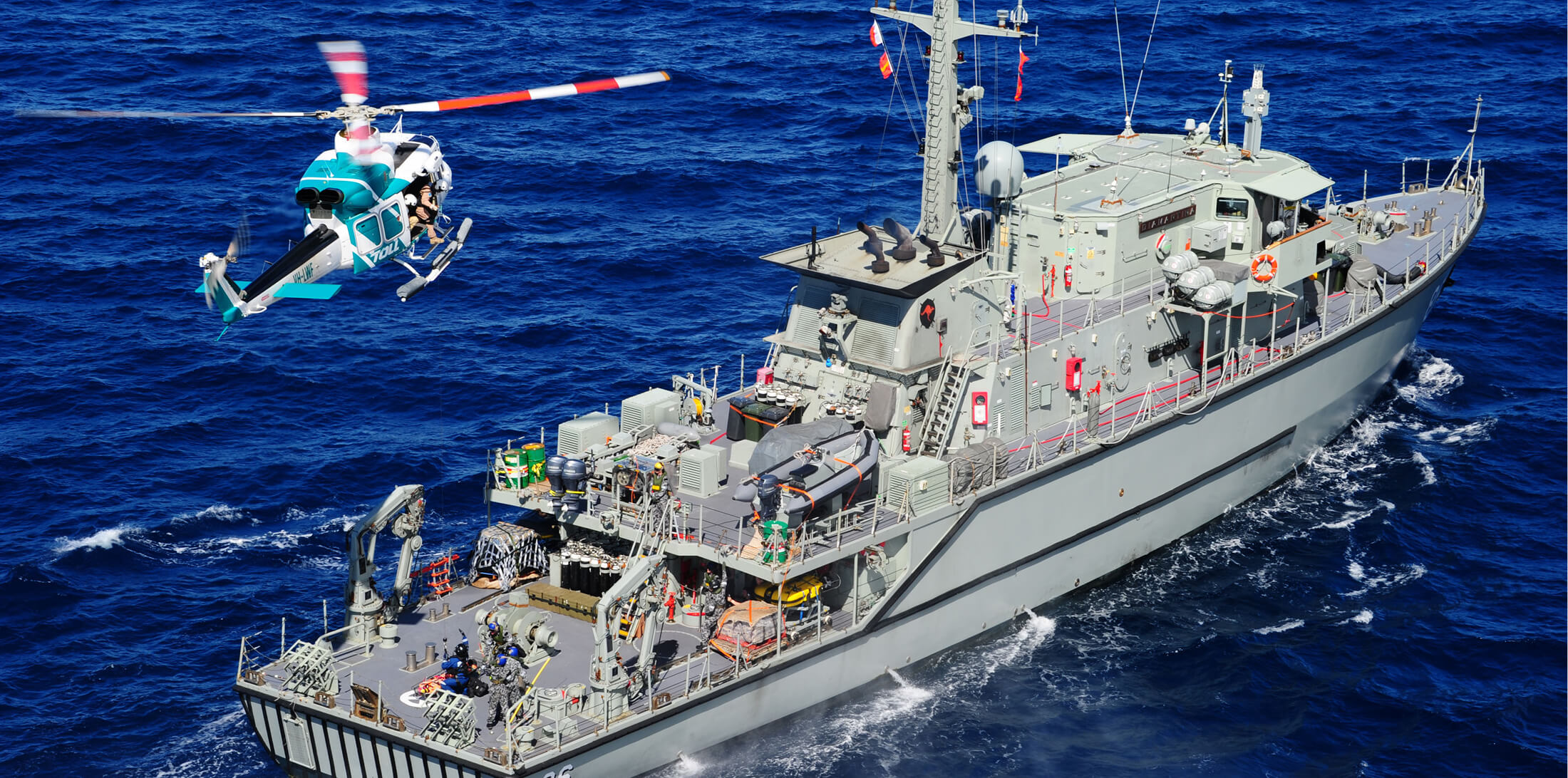
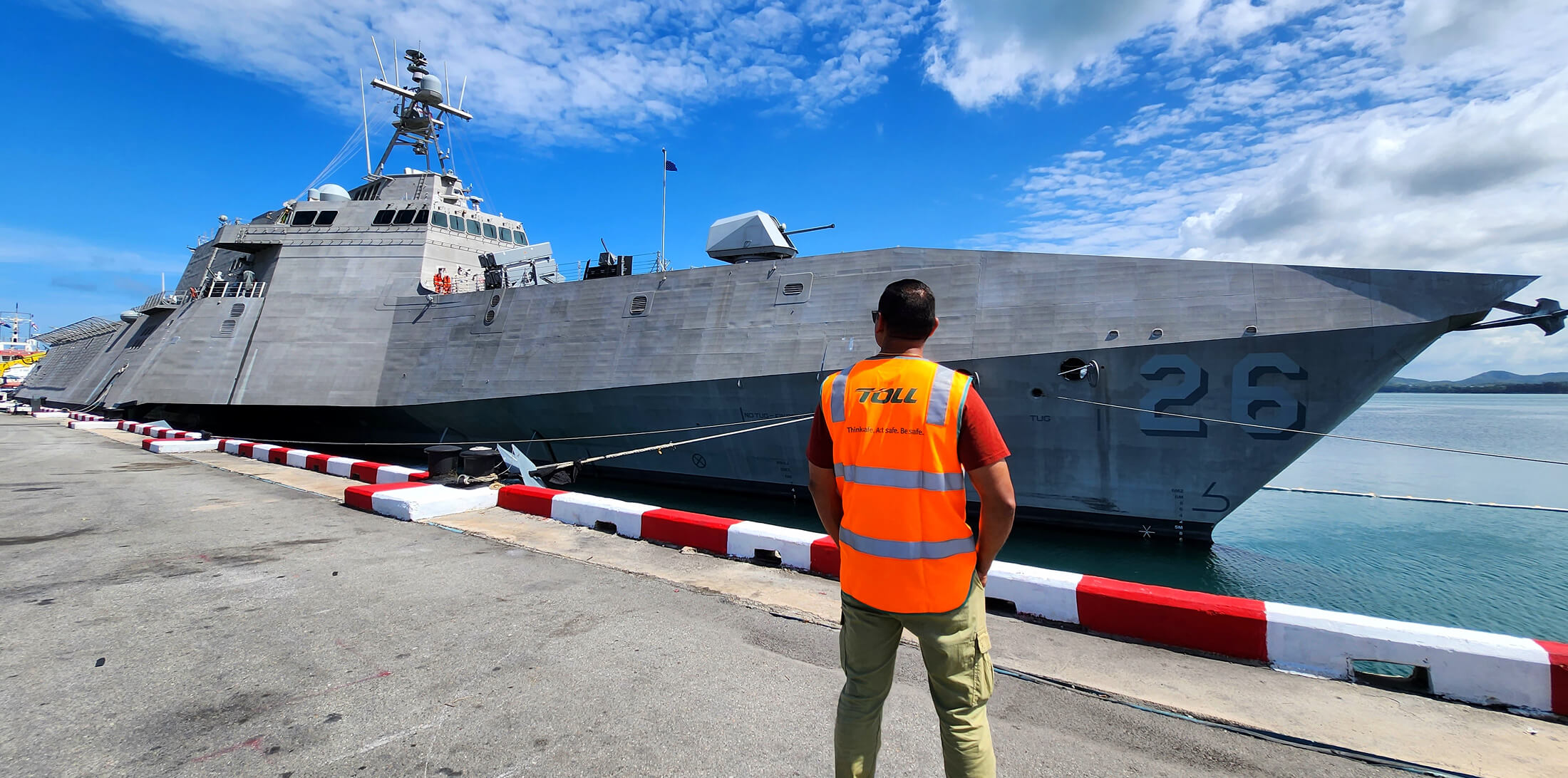
Toll has developed a network of capabilities across the Indo-Pacific, including vessels, berths, warehouses, distribution operations and other infrastructure.
These can be combined as “capability bricks” to develop tailored logistics solutions for individual operations, rather than requiring a new logistics architecture to be designed from scratch each time.
“If the ADF … needed to deploy across to Indo-Pacific somewhere, we actually have facilities, people, capabilities in most countries throughout the Indo-Pacific that can play some role in providing on-ground immediate support without having to reinvent the wheel,” Roughsedge says.
For Australia, however, resilience cannot be achieved solely through existing Defence and commercial infrastructure. The country remains dependent on international supply chains for fuel, spare parts, weapons, medical supplies and other critical commodities.
That dependence creates vulnerabilities that could become increasingly significant during a high-intensity conflict.
“The real challenge … is as an island, we are reliant on our sea lanes and we’re reliant on global supply,” Roughsedge says.
“We don’t produce all the equipment, all the things in Australia we need to mount an ongoing defence, whether it’s regionally or offshore.”
Recent conflicts have demonstrated just how quickly critical supplies can be consumed.
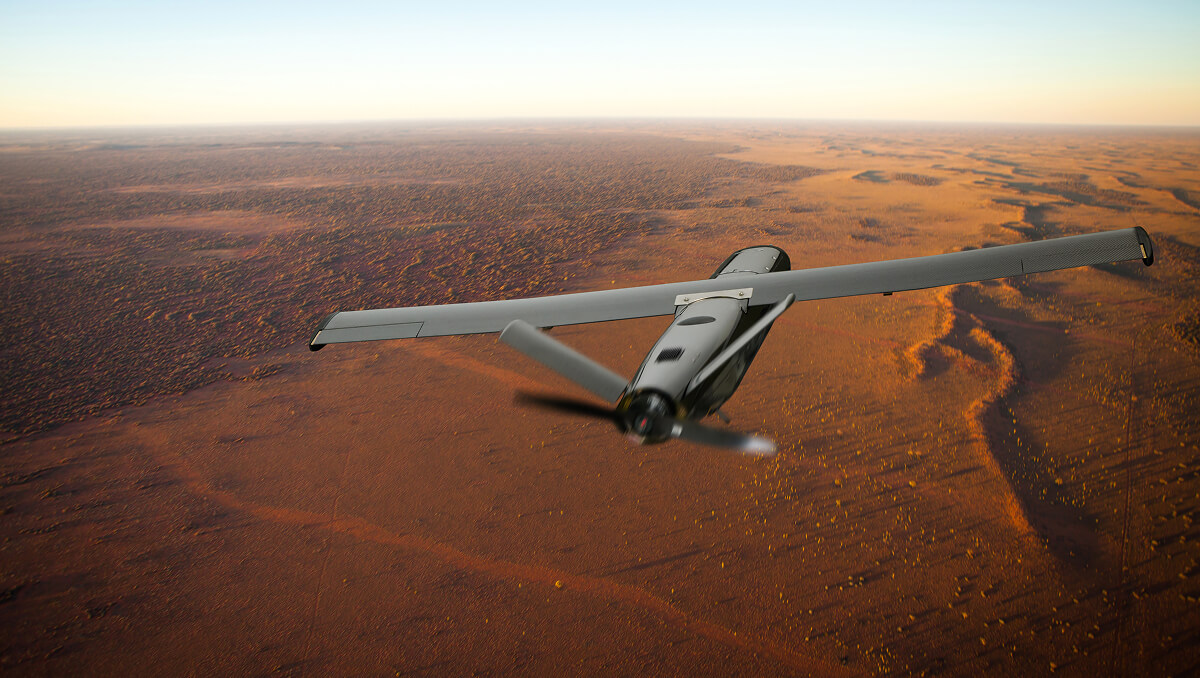
Ukraine has highlighted the enormous demand for fuel, weapons, drones and other consumables during sustained combat operations, while disruptions to global supply chains have demonstrated the vulnerability of just-in-time logistics models.
“I think what we’re being shown through the recent supply chain shocks is that (a just-in-time supply chain) doesn’t work so well from a resilience perspective,” Roughsedge says.
Spare parts, fuel, medical supplies and the ability to repair sophisticated military systems locally can be just as critical to maintaining combat power.
“As much as having insufficient weapons to put on these toys, actually having insufficient spare parts or inability to maintain local repair of these things is just as limiting,” Roughsedge says.
For Defence, this raises difficult questions about what needs to be manufactured domestically, what needs to be stockpiled and where critical supplies should be positioned across the country.
It also raises the question of how commercial logistics networks can be integrated into the national security architecture before a crisis occurs.
Roughsedge believes this remains one of the most significant gaps in Australia’s current thinking.
“There’s lots of talk about building drones. That’s cool. There’s lots of talk about building guided weapons, and that’s great. Also really, really important stuff,” he says.
“But what happens when your supply chain for fuel gets cut off to Darwin? What do you do? Where do you go?”
The answer, he argues, cannot be developed once a conflict has already begun.
Australia needs to understand the commercial logistics capacity already available across the country, identify where it could provide resilience and establish the relationships and mechanisms required to access it.
“There doesn’t seem to be a lot of leaning into that to understand what is out there,” Roughsedge says.
“That is the missing piece … If we’re going to maximise the ability of Australia to mount a resilient campaign, regardless of what the circumstance, that has got to be front and centre.”
For Australia, sovereign defence capability is therefore about more than producing weapons and platforms.
It is about ensuring the fuel, spare parts, infrastructure, transport networks and people required to sustain those capabilities remain available when global supply chains are disrupted.
Because in a high-intensity conflict, having the weapon is only the beginning. The real capability is having the logistics network to keep it in the fight.