






Progressing AUKUS: Towards full-spectrum dominance
In the three years since its announcement, AUKUS has shifted from strategic concept to operational reality, reshaping Australia’s defence posture, industrial base and technological edge.
At its core sit two distinct but deeply interconnected efforts: Pillar 1, the acquisition and sustainment of nuclear-powered submarines (SSN), and Pillar 2, a sprawling advanced technology enterprise designed to accelerate capability across cyber, artificial intelligence, undersea warfare, hypersonics and more.
Together, they represent not just a capability uplift, but a generational transformation of how Australia fights, innovates and partners.
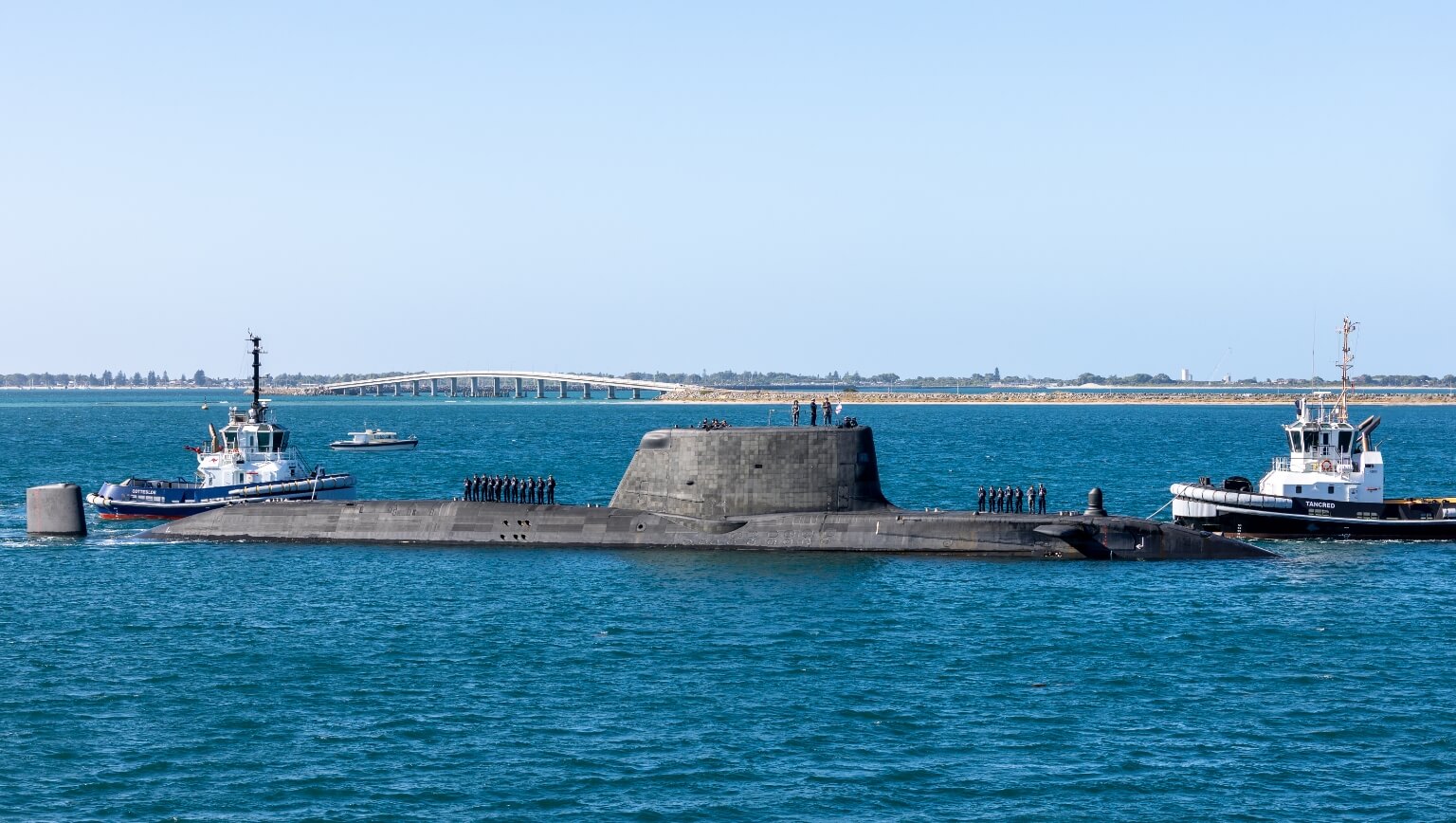
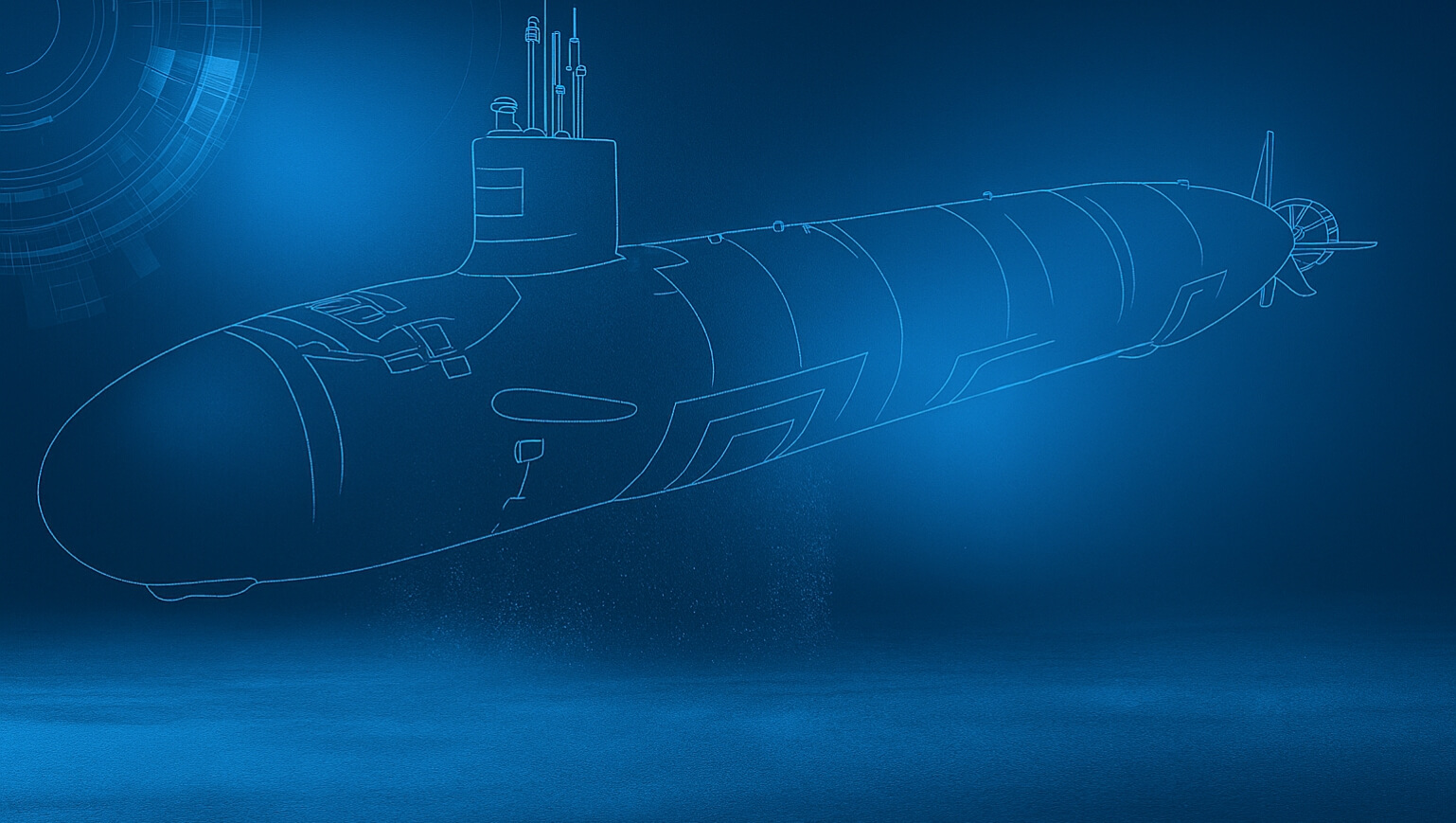
Pillar 1 remains the most visible and politically charged element of the partnership. It is a long-horizon endeavour to deliver a sovereign SSN capability, underpinned by rotational US and UK submarine presence from as early as 2027 and the progressive development of Australia’s industrial and sustainment base.
Recent activity at HMAS Stirling has already demonstrated this transition from theory to practice, with trilateral teams conducting complex submarine maintenance in Western Australia, an early proof point of forward sustainment and integrated workforce development.
Yet, as explored in this edition, the debate is far from settled as I examine the critical question: how many SSNs does Australia actually need to deliver credible deterrence, and at what cost to the broader force?
If Pillar 1 is about mass and presence, Pillar 2 is about speed and advantage. Structured around advanced capability areas, including AI, quantum technologies, electronic warfare and autonomous systems, Pillar 2 aims to compress development timelines and deliver asymmetric capability at scale.
It is inherently more flexible: described as an open-ended, potentially multilateral framework for industrial integration and interoperability among trusted partners. However, as several contributors note, its promise has yet to be fully realised, with questions lingering around prioritisation, execution and governance.
This edition brings those questions into sharp focus through a series of deep dives into the technologies and debates shaping AUKUS’ second pillar.
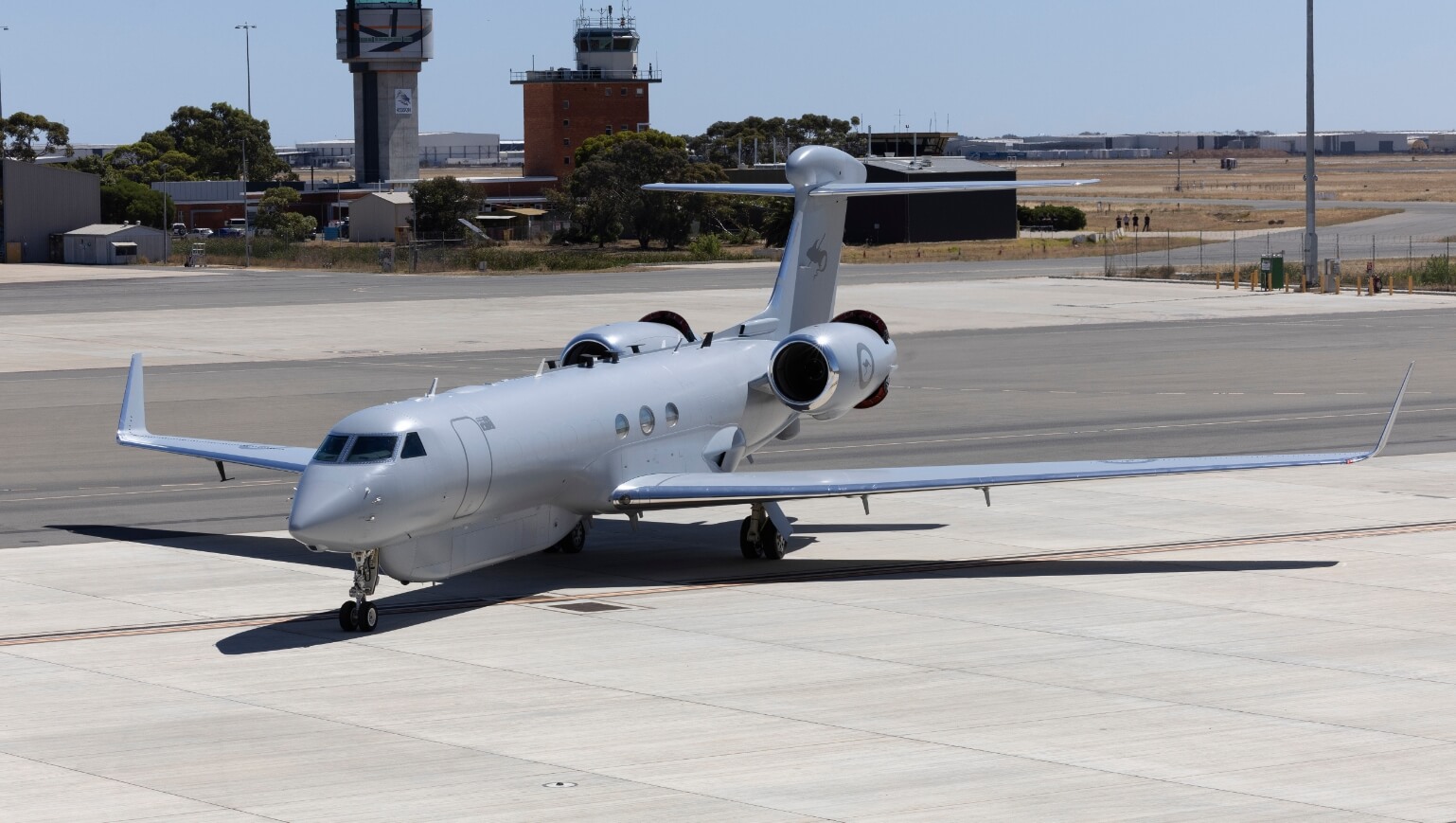
Senior journalist Robert Dougherty explores the Royal Australian Air Force’s MC-55A Peregrine, a platform emblematic of the shift towards high-end intelligence, surveillance and electronic warfare integration, precisely the kind of capability Pillar 2 is designed to accelerate.
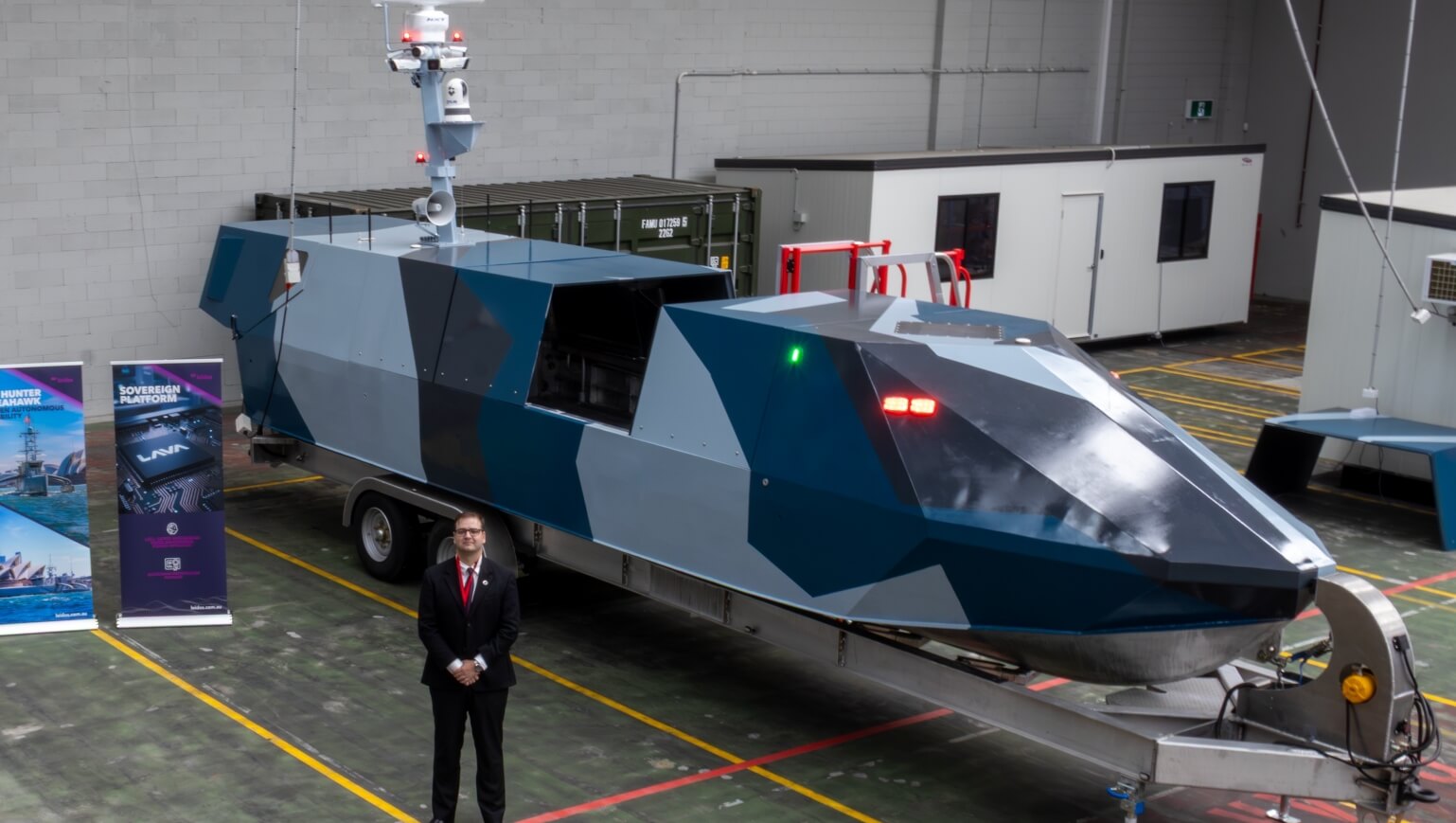
In parallel, we examine Leidos’ SeaArcher uncrewed surface vessel, highlighting how autonomy and distributed systems are rapidly redefining maritime operations and offering scalable, lower-risk force multipliers.
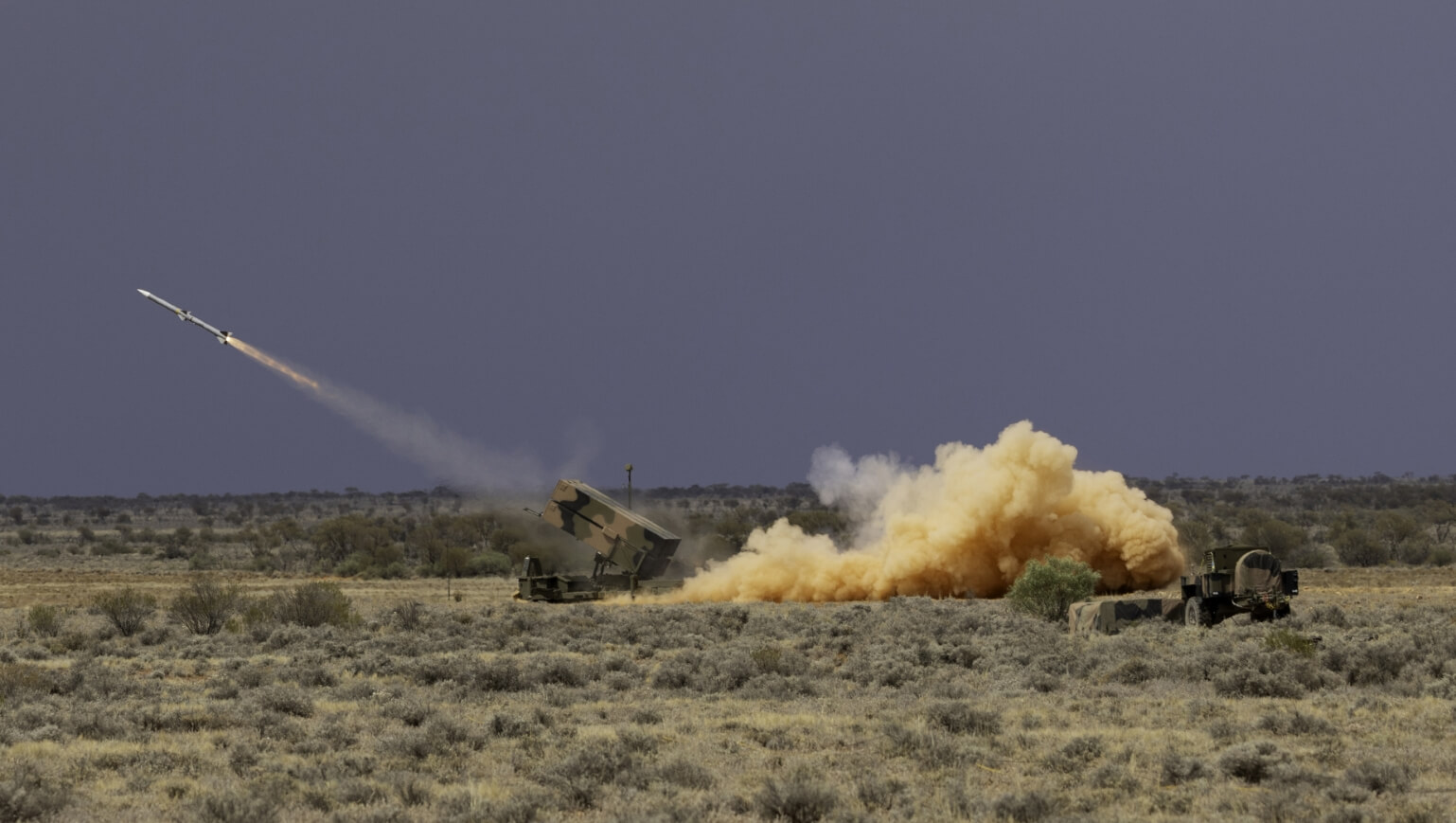
Yet technology alone is not enough. As the “Aussie Dome” concept argues, the omission of integrated air and missile defence (IAMD) as a core AUKUS priority represents both a gap and an opportunity.
With the Indo-Pacific facing an increasingly complex missile threat environment, integrating IAMD into the AUKUS framework could unlock new levels of interoperability, industrial cooperation and layered defence, particularly when combined with emerging sensor and networked command systems.
Equally critical are the questions on information: who holds it, how it is protected and how it is shared. AUKUS, by design, requires unprecedented levels of trust and data exchange across three sovereign nations and their industrial bases.
That creates both opportunity and vulnerability. This issue explores the growing importance of securing critical AUKUS data, from classified design information to sensitive supply chain inputs, and the urgent need for robust cyber resilience frameworks capable of operating across national boundaries.
Finally, we turn to industry – the often overlooked but ultimately decisive element of AUKUS’ success. Beyond submarines and technology demonstrators, AUKUS is catalysing the development of complementary, interconnected industrial bases across Australia, the United Kingdom, and the United States.
From missile production and shipbuilding to advanced manufacturing and digital engineering, the partnership is driving a shift towards sovereign capability within a deeply integrated alliance framework. As recent government initiatives highlight, this includes not just meeting domestic demand but scaling production to support partners and allies across the region.
The challenge now is coherence. AUKUS is no longer a single program – it is an ecosystem. Delivering on its promise will require aligning strategy, capability, industry and policy across two pillars that move at very different speeds but must ultimately converge.
This edition explores that convergence, where submarines meet software, where industry meets innovation, and where Australia’s strategic future is being quietly, but decisively, built. Enjoy, Steve Kuper Lead – Defence & Aerospace
Enjoy,
Steve Kuper
Lead - Defence & Aerospace