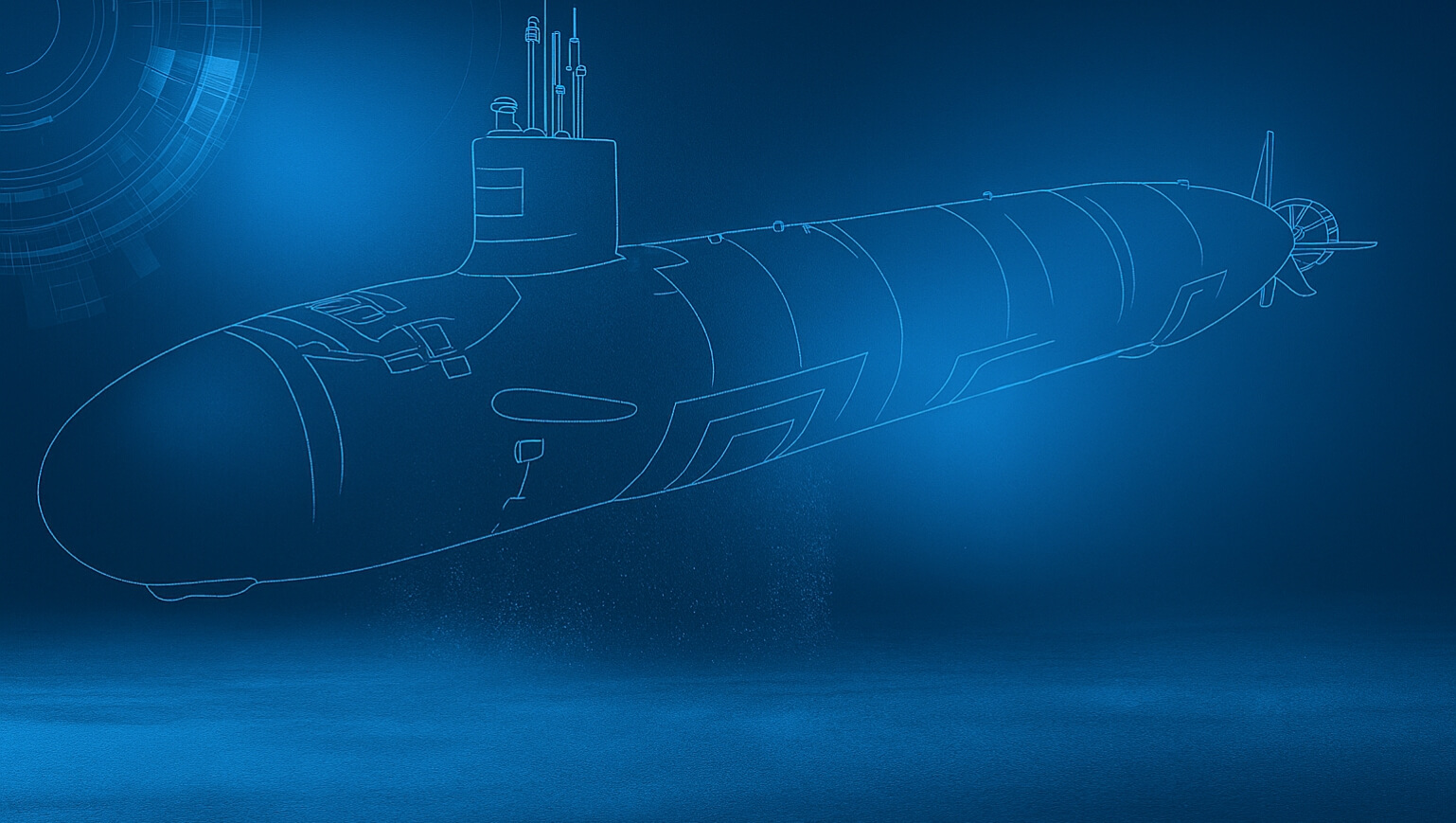


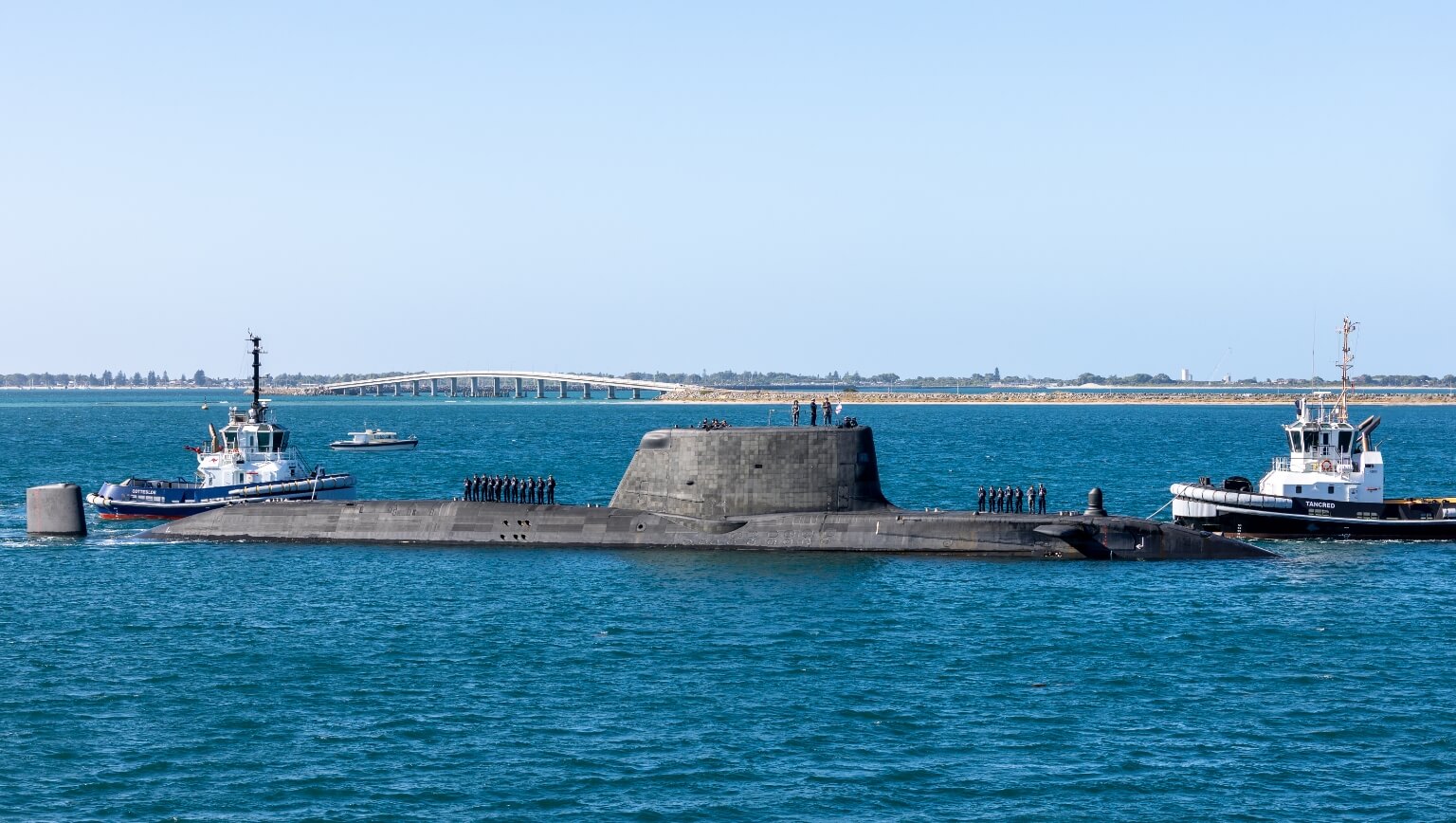
The AUKUS pact, sealed in 2021 and refined through the 2023 optimal pathway, promises to replace the ageing Collins Class diesel-electric submarines with conventionally armed, nuclear-powered submarines.
By the early 2040s, the Royal Australian Navy is expected to own and operate a fleet of eight SSNs, three to five Virginia Class acquired from the United States and the balance built domestically as the new SSN-AUKUS class in partnership with Britain.
Yet behind the bipartisan consensus and the multibillion-dollar shipyard investments at Osborne in South Australia lies a sharper question: is eight the optimal size? Successive defence white papers once envisaged 12 conventional submarines to patrol two oceans.
Nuclear propulsion changes the calculus, offering unmatched range, speed and endurance, but geography, operational tempo and industrial realities still demand hard choices.
With Collins Class life-of-type extensions (hopefully) buying time into the 2030s, a capability gap looming and a workforce race against the clock, analysts and former submariners are quietly debating whether Australia should aim for six (minimalist replacement), stick with eight (the committed plan), push to nine or 10 (pragmatic expansion) or boldly target 12 (full strategic weight).
The stakes could not be higher. In an era of great-power competition, submarines remain the ultimate stealth weapon: hard to detect, lethal in numbers and psychologically potent.
In an era of great-power competition, submarines remain the ultimate stealth weapon: hard to detect, lethal in numbers and psychologically potent.”
More hulls mean sustained presence across the Indian and Pacific oceans, complicating an adversary’s planning. Fewer hulls risk a force that is potent on paper but stretched thin in practice.
The strategic and operational context
Australia’s maritime domain is uniquely demanding.
From the chokepoints of the Indonesian archipelago to the vast South Pacific and Indian Ocean approaches, the RAN must project power across two oceans with bases primarily on the west coast at HMAS Stirling and a planned east coast facility. The “rule of three” (or four for nuclear submarines accounting for maintenance, training and unexpected defects) governs submarine availability: to guarantee one submarines on station, a navy typically needs three or four in the fleet.
For continuous deterrence, two submarines are deployed at once, one on each coast in “good times”; the arithmetic quickly escalates.
Historically, the Collins Class – six submarines strong – has struggled to maintain even one or two at sea at times.
Nuclear propulsion transforms this: Virginia and SSN-AUKUS submarines can remain submerged for months, transit at high speed without snorkelling, and carry advanced sensors and weapons.
Yet even nuclear submarines require dry-dockings, crew rotations and upgrades. Hosting up to five allied US and UK SSNs under Submarine Rotational Force - West from 2027 provides an early boost, but sovereign Australian hulls are the long-term requirement.
Workforce remains the hidden bottleneck. Estimates suggest more than 8,000 nuclear-trained engineers, technicians and submariners will be needed across the program.
The Australian Submarine Agency projects 20,000 highly skilled jobs over decades, but recruitment and retention remain unproven.
Costs compound the challenge: the decade to 2033–34 alone carries a $53–63 billion investment, with lifetime program costs running into hundreds of billions. Each Virginia Class submarine carries a procurement price tag of roughly US$5 billion ($7.5 billion plus), while SSN-AUKUS construction in Adelaide will demand continuous drumbeat production to control unit costs and retain skills.
These realities frame the debate. A larger fleet amplifies deterrence but strains resources; a smaller one risks under-delivery against the 2009 white paper vision of 12 hulls for two-ocean operations.
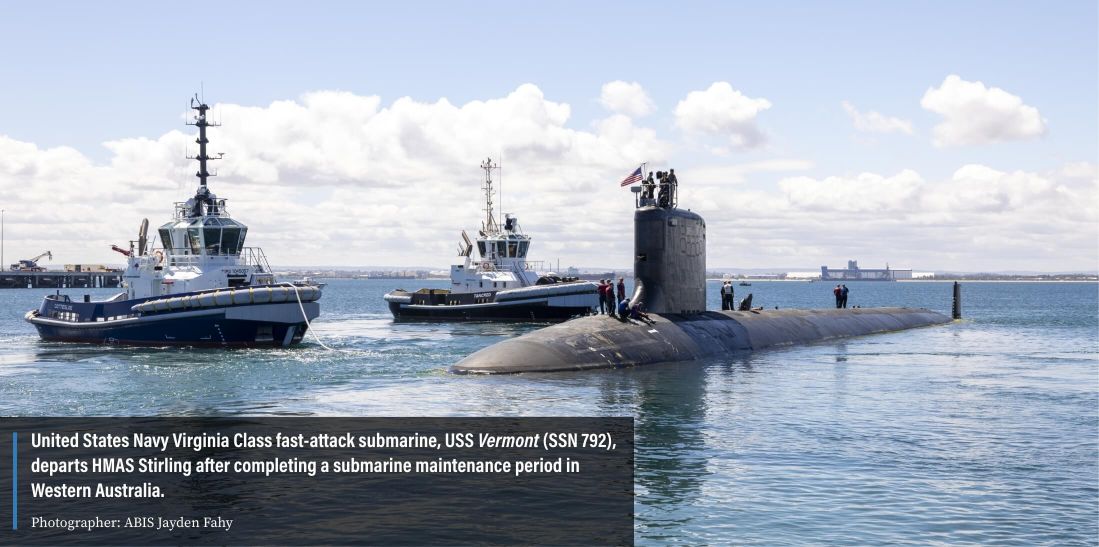
Option 1: Six submarines – a ‘like-for-like’ replacement
Sticking at six submarines, perhaps by acquiring only three Virginias and building three SSN-AUKUS, would represent the cheapest and least disruptive path.
It mirrors the current Collins fleet size, easing the transition for crews and infrastructure. Manpower demands would be manageable, roughly halving the nuclear training burden compared with eight. Budgetary pressure would ease, freeing funds for surface fleet expansion or other priorities such as long-range strike.
Operationally, however, six is inadequate. Even with superior nuclear endurance, the fleet could sustain, at best, one deployed submarine, which is reliably insufficient to create meaningful uncertainty for a peer competitor across Australia’s enormous area of operations. Two-ocean basing would be illusory. Industrial momentum would falter; a stop-start build program risks skill atrophy, as Britain experienced with the Astute Class.
Strategically, it signals limited ambition, potentially weakening alliance leverage with Washington and London. In short, six delivers a like-for-like swap with better technology but fails to grow capability in a more dangerous region. It is politically safe but strategically timid.
Option 2: Eight submarines – the committed baseline
The government’s chosen path of three to five Virginias plus five to three SSN-AUKUS delivers the first Australian-owned SSN capability in the early 2030s and a sovereign build program by the early 2040s.
It aligns with AUKUS trilateral commitments, exercises the US sale option without overpressuring Washington’s strained industrial base, and balances interim risk (Virginia acquisitions bridge the Collins retirement gap) with long-term sovereignty.
Pros are compelling. Eight submarines allow a modest two-ocean presence: potentially one deployed per coast with rotations, enhanced by allied forward basing.
The mixed fleet leverages US combat systems and UK design expertise while building Australian yards. Politically, it enjoys bipartisan support and has survived US congressional scrutiny. Job creation at Osborne and Stirling is substantial, and the program’s scale matches current infrastructure plans without immediate massive expansion.
Yet critics, including retired submariner Peter Briggs, argue eight is “plainly insufficient on all counts”. It falls short of the critical mass for experienced personnel oversight and two-ocean sustainability.
A mixed Virginia–AUKUS fleet complicates logistics, spares and training. Building a drumbeat at three-year intervals would span 21 years for eight submarines, exceeding typical hull life and risking production gaps.
With only six to seven crews, the force lacks resilience against attrition or recruitment shortfalls.
In a high-threat scenario, eight hulls may deliver presence but not the persistent, multi-submarine uncertainty required to deter aggression. Eight is achievable and a leap forward from Collins, but it risks being the minimum viable product rather than the optimal one.
Option 3: Nine or 10 submarines – a pragmatic sweet spot
Exercising the full option for five Virginias and building five or six SSN-AUKUS (or vice versa) offers a sensible middle ground.
Nine or 10 hulls would provide genuine redundancy: enough to guarantee two deployed submarines most of the time while allowing maintenance cycles.
It supports two-ocean basing more credibly, with squadrons on each coast once the east facility comes online.
Industrially, 10 submarines enable a sustainable drumbeat (thus avoiding costly valleys of death) without heroic assumptions on workforce growth, keeping yards humming and unit costs falling through learning curves.
The extra hulls could be SSN-AUKUS variants optimised for Australian needs – perhaps with enhanced vertical launch modules for strike. Manpower remains challenging but feasible with accelerated training pipelines already under way.
The downsides are incremental but real: higher upfront capital (additional Virginia purchases strain US supply) and sustained operating costs. Political will would be required to fund the expansion openly rather than quietly exercising options. Yet nine or 10 mitigates the risks of eight without the full stretch of 12.
It represents evolution, not revolution – a fleet that punches above its weight while remaining deliverable within realistic fiscal and human constraints. For many analysts, this emerges as the most balanced path.
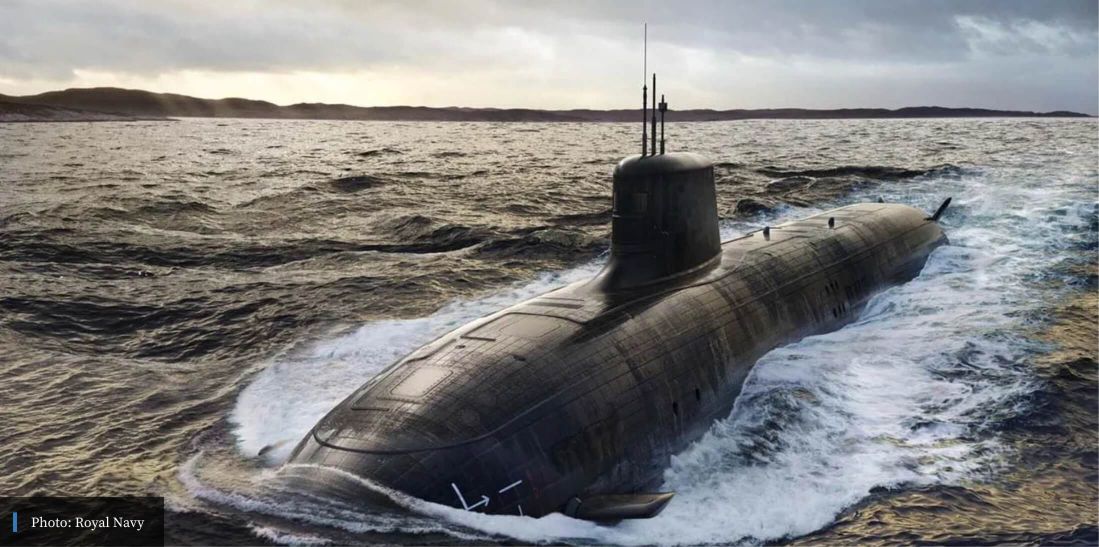
Option 4: 12 submarines – full strategic weight
Pushing to 12 submarines – five Virginias and seven SSN-AUKUS – or a more even split revives the scale of the original 2009 white paper vision, now with nuclear advantages.
Proponents argue it is the minimum for true two-ocean deterrence: two deployable submarines per coast in normal conditions, with spares for defects and surges.
Continuous construction at an accelerated drumbeat would drive down costs, retain skills and create a deeper personnel pool (10+ crews providing critical mass for experience and safety oversight).
Deterrence impact multiplies: more submarines at sea create persistent ambiguity for any adversary, amplifying alliance value in Washington.
Geographically, 12 aligns with Australia’s realities. Nuclear endurance allows rapid repositioning, but hull numbers still matter for simultaneous operations across disparate theatres.
An east coast base becomes fully viable, splitting the fleet for resilience.
The cons are formidable. Costs could balloon by 50 per cent or more beyond the eight-submarine baseline, competing with other defence priorities in a constrained budget. Workforce demands intensify dramatically, pushing the 8,000+ nuclear specialists target to breaking point and risking burnout or quality compromises.
US supply for extra Virginias is doubtful amid America’s own fleet pressures (projected temporary dip to 32–35 submarines). Infrastructure at Osborne and Henderson would require further expansion, and the program timeline stretches deeper into the 2050s.
Politically, it demands sustained cross-government commitment through multiple election cycles.
Twelve is strategically optimal but fiscally and industrially ambitious, achievable only with heroic effort and perhaps additional allied support.
Towards an optimal fleet
No single number is risk free.
Six underdelivers; 12 over-reaches in the near term. The official eight provides a solid foundation but risks falling short of the operational tempo and industrial sustainability Australia needs.
On balance, 10 submarines – five Virginias exercising the full option plus five SSN-AUKUS – emerges as the most prudent optimal size.
It delivers credible two-ocean presence, sustains a continuous build program, builds personnel depth, and hedges against delays without mortgaging the budget entirely.
This would require transparent government decisions now: sizing shipyards and training pipelines for 10 hulls, securing the extra Virginia approvals, and committing to additional domestic builds.
It honours AUKUS while addressing the geography and threats that originally drove the 12-submarine vision. With Collins extensions and rotational allied submarines buying time, Australia has a narrow window to adjust course.
Ultimately, submarines are not an end in themselves but a means to deter conflict and protect national interests. In an uncertain Indo-Pacific, underinvestment in hull numbers is a luxury Australia cannot afford.
The coming parliamentary and public debate must move beyond the headline of “eight boats” to the harder arithmetic of presence, persistence and power.
Getting the fleet size right may prove the difference between a formidable deterrent and a capable but overstretched force. The decisions taken in the next few years will echo beneath the waves for generations.