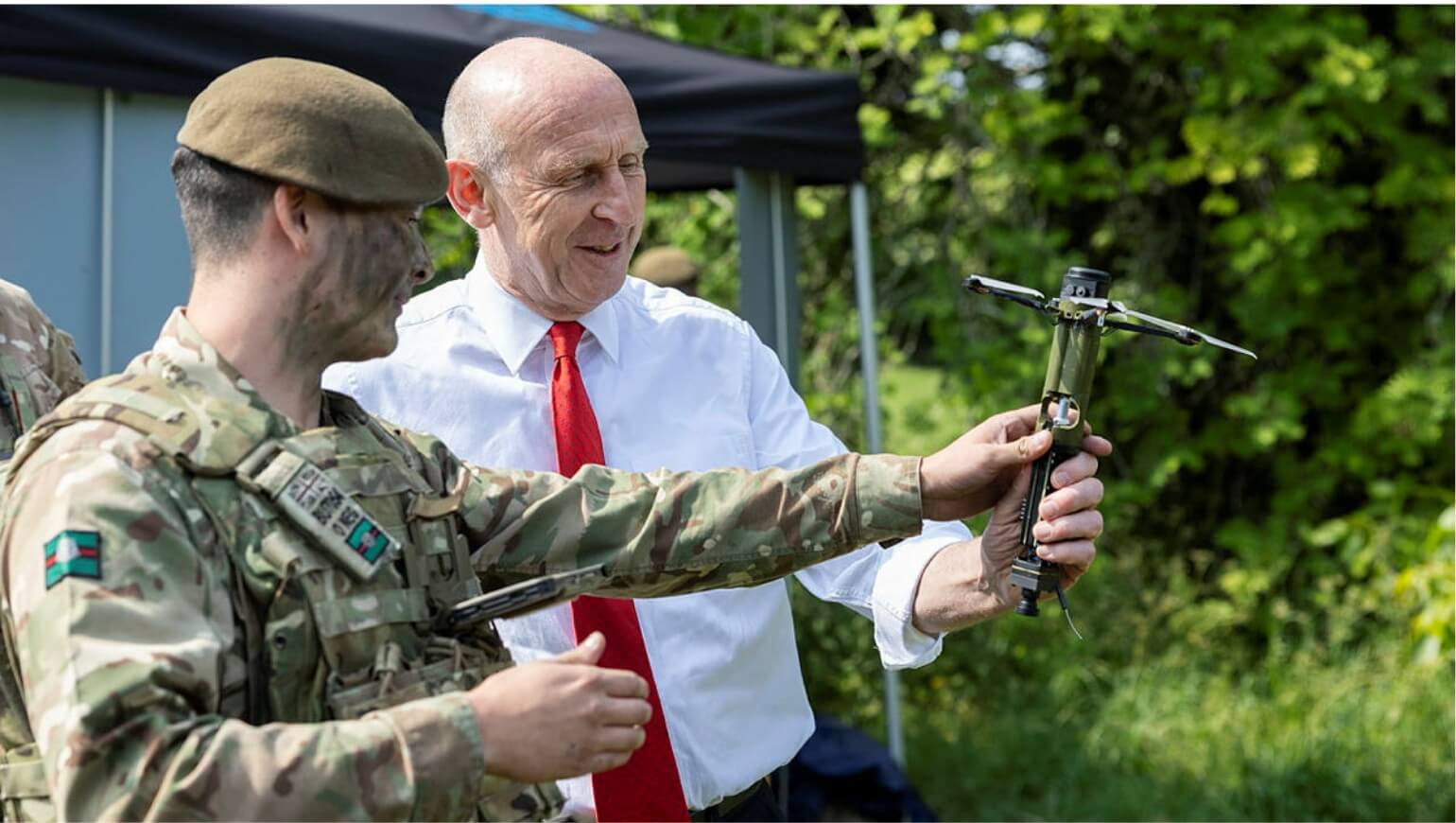







Embracing our autonomous and uncrewed future
There is a moment in every strategic revolution when the evidence becomes undeniable, when the gap between what is happening on the world’s battlefields and what is happening in the procurement offices and doctrine branches of a given nation’s defence establishment becomes too wide to paper over with reassuring language about “considered approaches” and “capability pipelines”.
We may be living through that moment right now.
The war in Ukraine did not begin as a drone war. It became one incrementally, then irreversibly driven not by grand design but by the brutal logic of necessity and industrial scale.
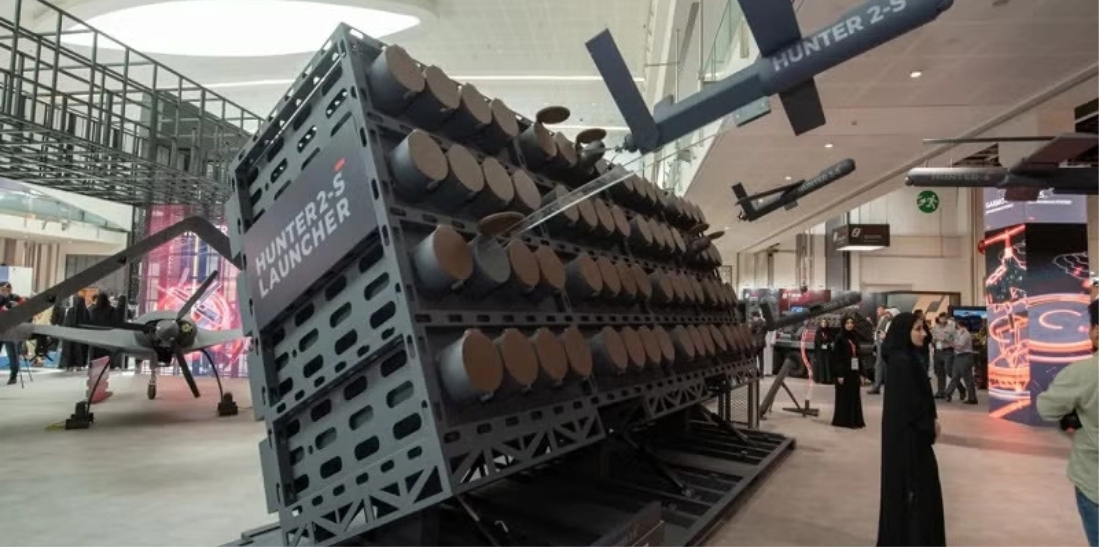
First-person-view (FPV) drones repurposed from hobby kits. Loitering munitions hand-assembled in workshops. Swarms of Iranian-designed Shaheds overwhelming air defences through sheer volume. And then, by September last year, something that military theorists had long modelled but never witnessed in live combat: an autonomous drone swarm, coordinating and striking with minimal human input, deployed not in a test range in Nevada but on an active frontline in eastern Europe.
The implications of that progression, from quadcopter to autonomous swarm in less than three years of high-intensity conflict, are the animating concern of this edition.
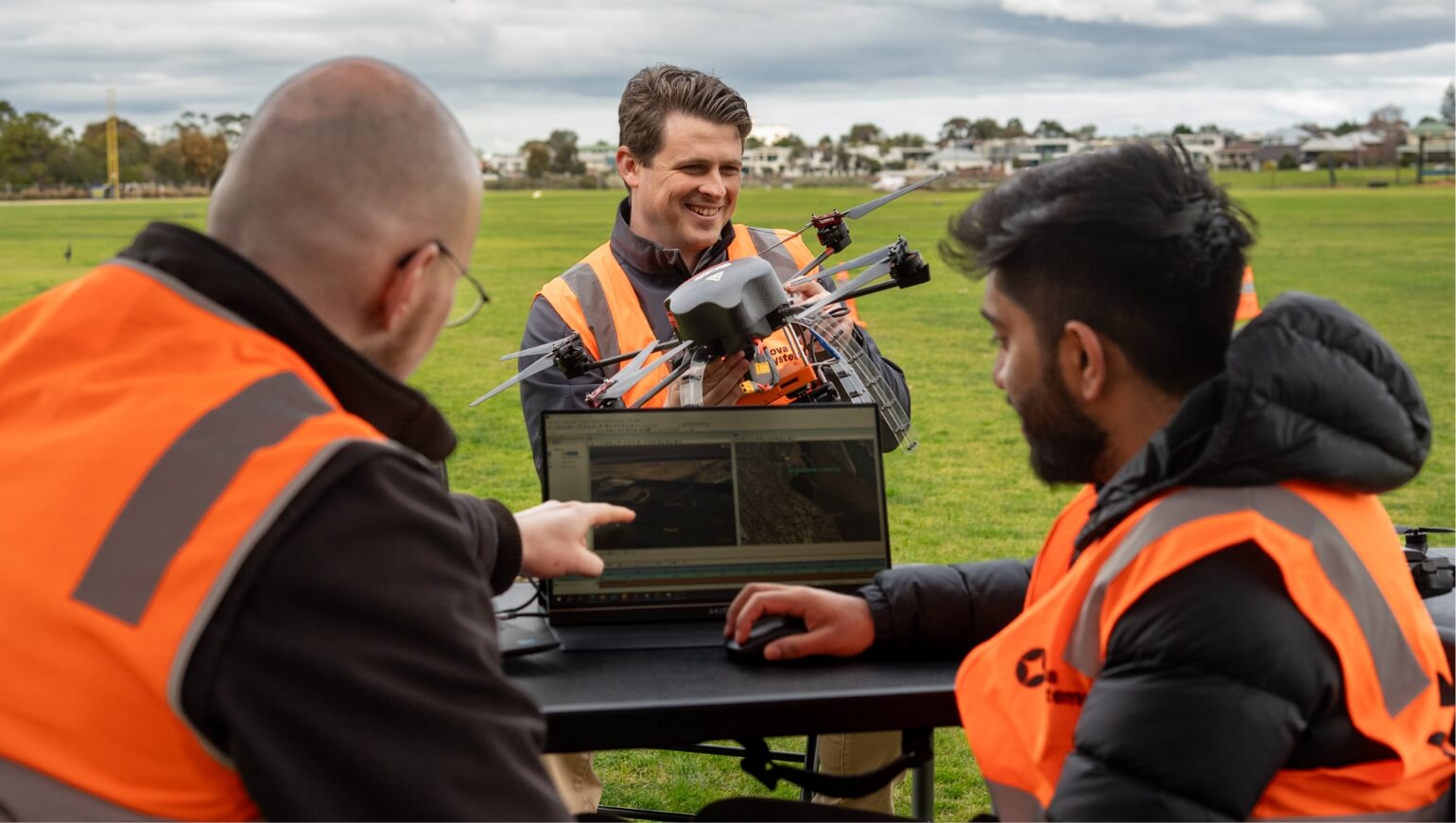
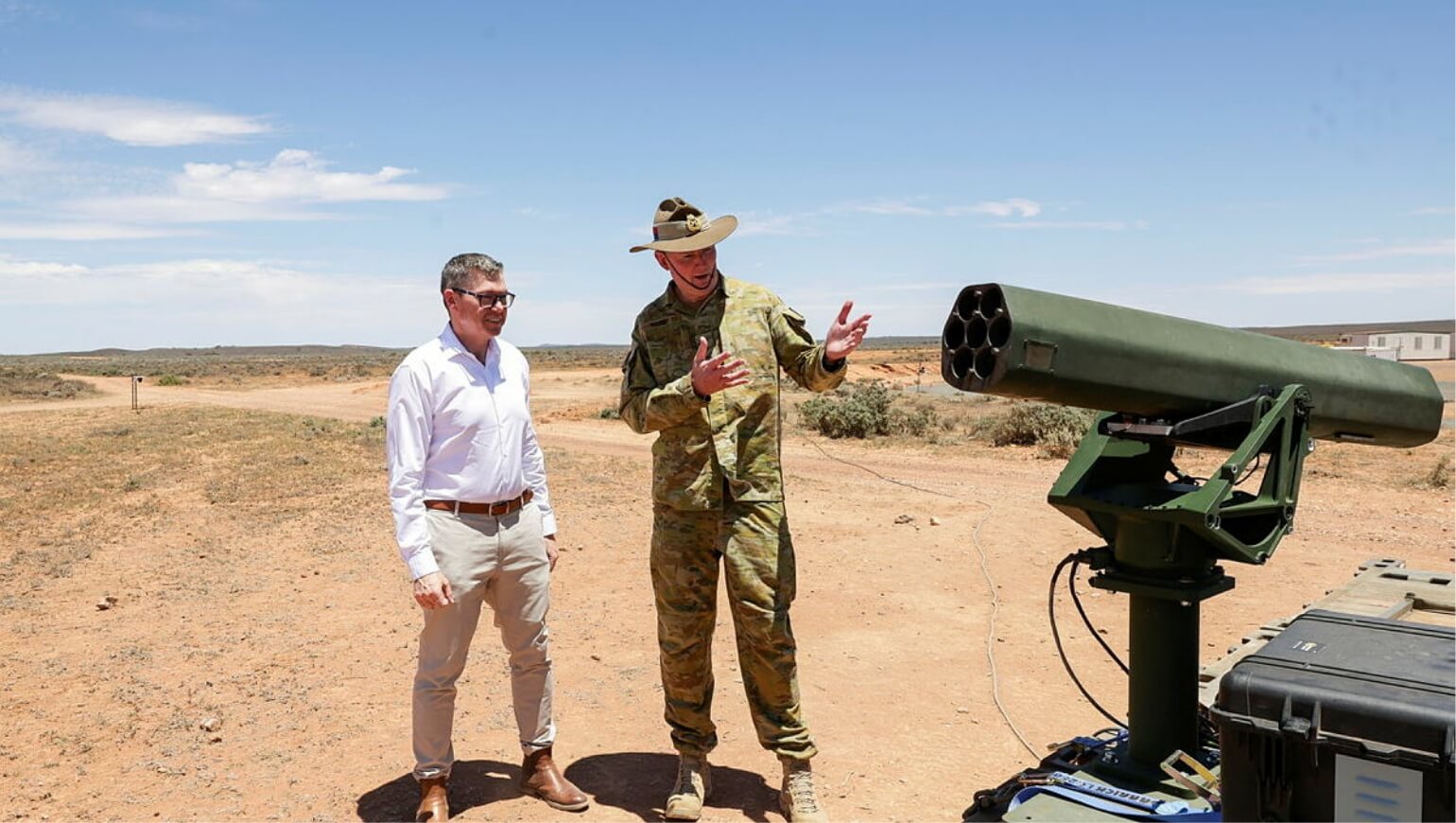
Senior journalist Rob Dougherty has been speaking with Department 13 about LAND 156 and Australia’s evolving approach to layered drone defence, a conversation that cuts to the heart of one of the most difficult problems in modern force design: how do you build a counter-uncrewed aerial system architecture that can keep pace with a threat category that is reinventing itself every few months?
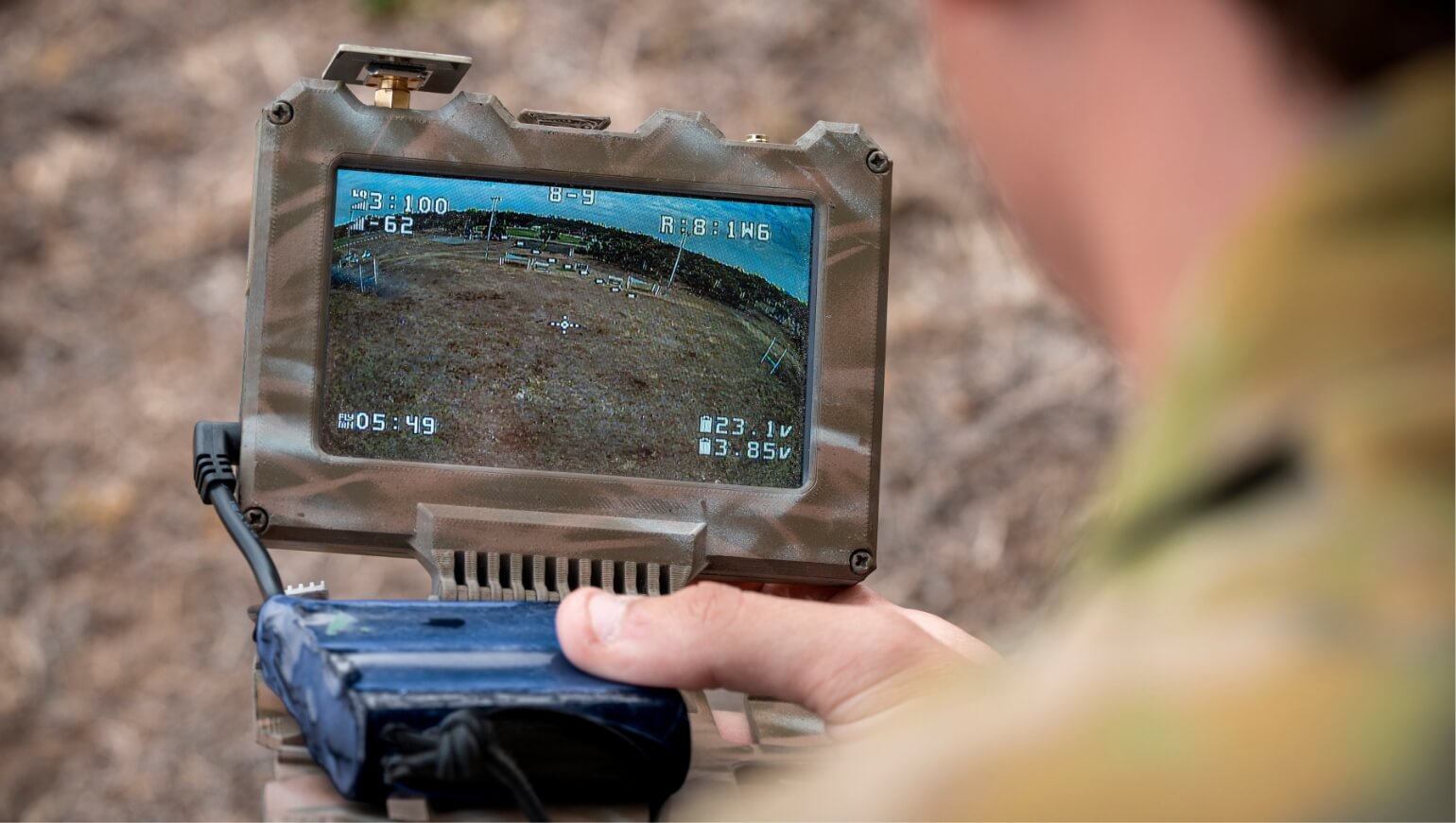
Complementing that, our reporting on FPV drones and the tactical lessons emerging from Ukraine fills in the ground-level picture, the improvised, fast-moving, brutally effective reality of drone warfare at the company level, where a $500 quadcopter can neutralise a $5 million artillery system and the side that adapts fastest survives.
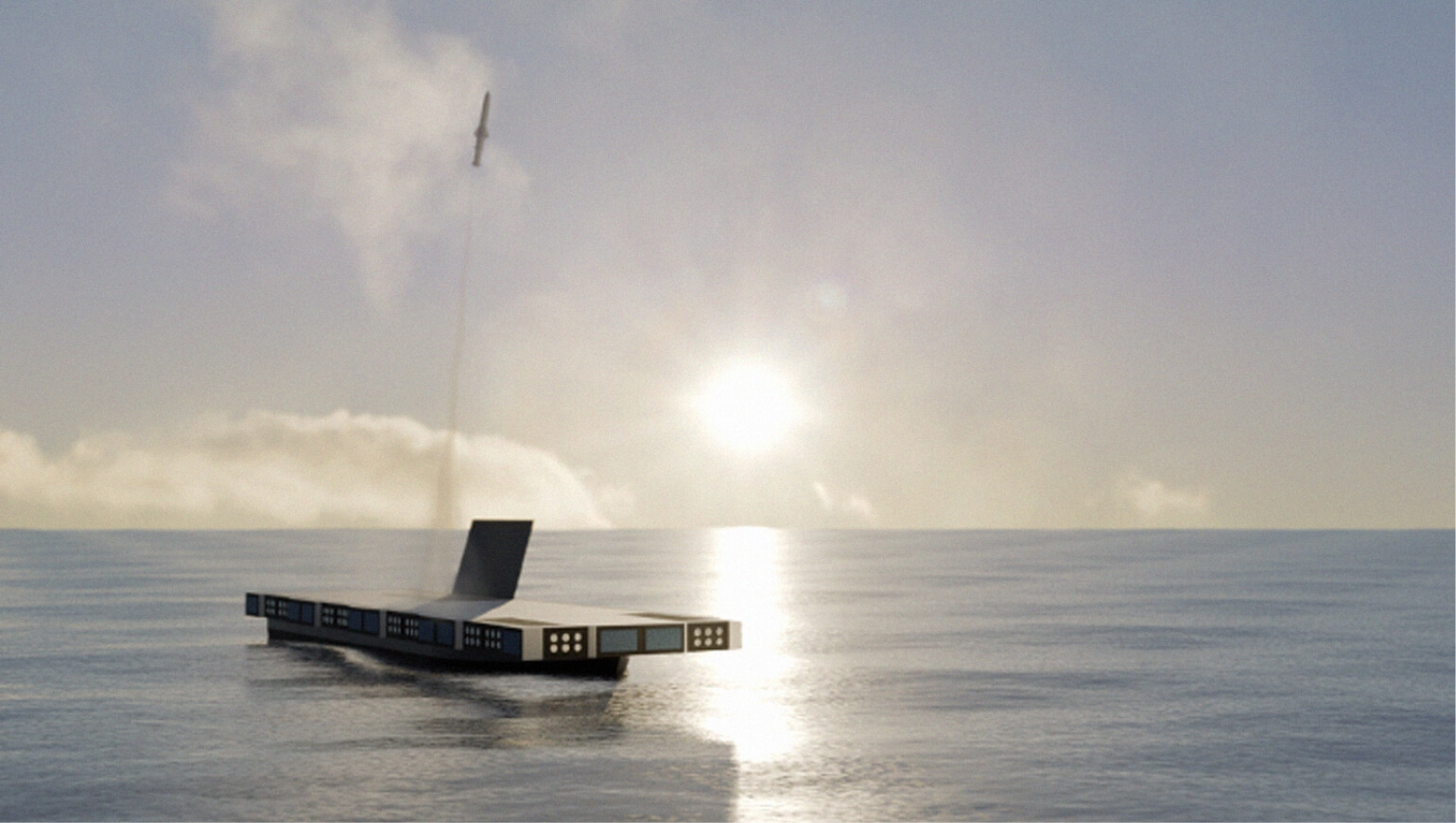
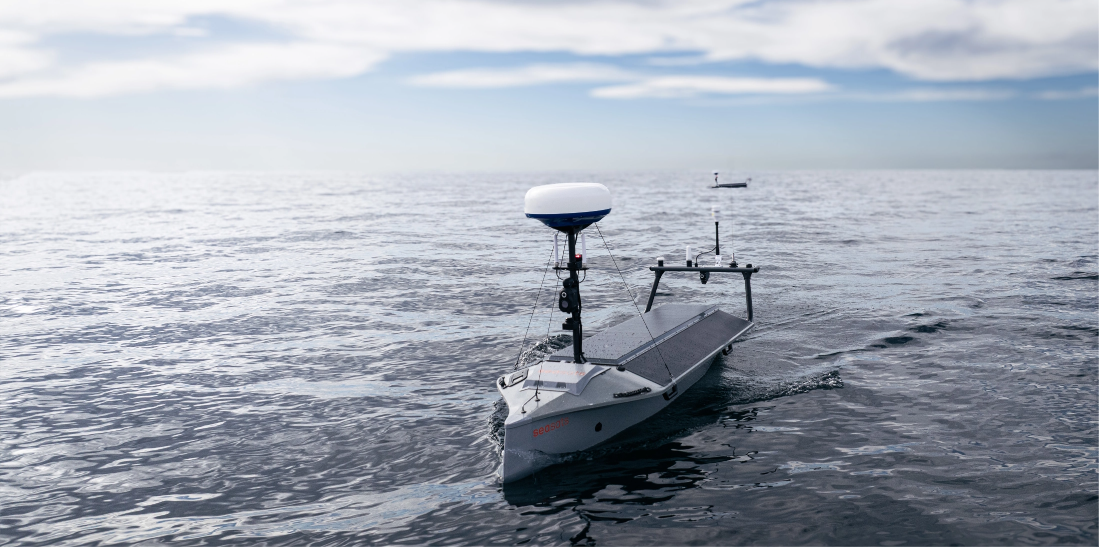
On the naval flank, I have been in conversation with Elysium EPL’s Michael “Mitch” Mitchell about the role uncrewed and autonomous vessels are beginning to play and will increasingly play in the future of the Royal Australian Navy. It is a conversation that deserves a wider audience.
The RAN’s surface and subsurface future will not be written solely in the hulls of conventionally crewed platforms; it will be written in the operational integration of autonomous systems capable of persistent presence across vast maritime expanses that no crewed force, however well-resourced, could sustain alone.
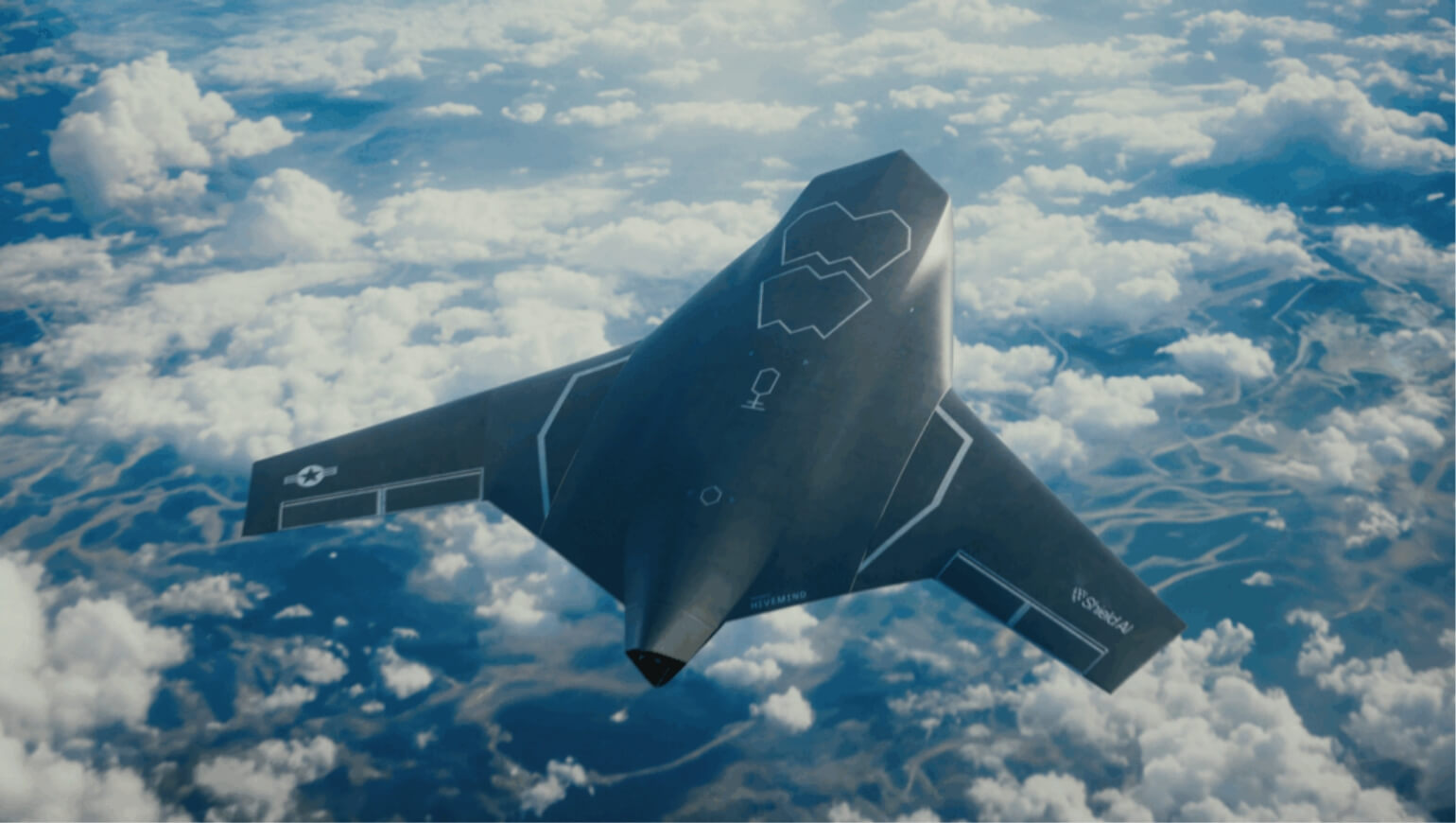
Elsewhere in these pages, our coverage of Shield AI’s X-Bat development traces the frontier of what that autonomous naval and air integration increasingly looks like in practice – a platform that blurs the traditional boundaries between strike, surveillance and autonomous decision making in ways that will force doctrinal reconsideration well beyond Washington.
Threading through all of it and providing the uncomfortable connective tissue this edition perhaps most needs is an op-ed from Michael Shoebridge of Strategic Analysis Australia. Shoebridge has long been one of the more clear-eyed voices on the gap between Australia’s stated strategic ambitions and its actual pace of adaptation, and his contribution here does not spare the blushes.
The uncrewed and autonomous systems revolution, he argues, is not something Australia is watching from a position of considered deliberation, it is something Australia risks being left behind by, and the distance between Canberra’s investment announcements and genuine operational capability remains, on current trajectories, dangerously wide.
It is a provocation worth sitting with. The 2026 National Defence Strategy and the 2026 Integrated Investment Program represent genuine forward movement. The $22 billion committed to drone, counter-drone, and autonomous systems over the decade is not nothing.
But strategy documents and funding lines are different from fielded capability, and fielded capability is not the same as integrated doctrine.
Ukraine’s lesson, absorbed across every piece in this edition, is that the nations and forces that close that loop fastest from observation to adaptation to operational employment are the ones that prevail. The ones that cannot are the ones that become cautionary entries in the after-action reports of others.
The swarm is not coming. It is already here. The question this edition asks and that Australia’s defence establishment must answer with greater urgency is whether we are ready to meet it.
Enjoy the special report,
Steve Kuper
Lead – Defence & Aerospace