

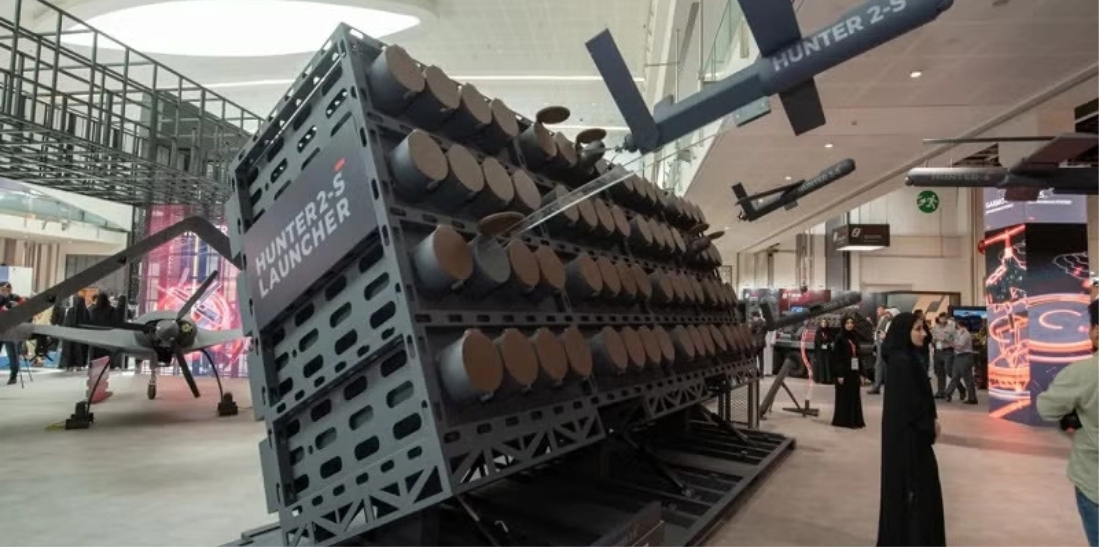
Loitering munitions and swarming drones have ceased to be experimental capabilities. They are now central to how modern armies fight, suppress and survive. For the Australian Defence Force, the implications are profound and the window to act is narrowing.
From niche tool to operational doctrine
The war’s defining feature has become the mass deployment of cheap, disposable and networked technologies, especially drones, loitering munitions and small-scale electromagnetic warfare systems. In Ukraine, analysts have observed what some describe as the “Uberisation” of warfare: low-cost, on-demand, ubiquitous weaponry deployed at scale alongside the dawn of the robotisation of war.
The evolution has unfolded in distinct phases. Between 2022 and 2023, both sides strengthened their air and electromagnetic defences, leading to massive attrition of drone fleets.
Medium-altitude, long-endurance drones have virtually disappeared from the tactical battlefield and kamikaze systems and loitering munitions, such as Russia’s Lancets and the Iranian-designed Shaheds deployed in swarms, have begun to dominate. The battlefield has become a saturated space where a drone’s lifespan was measured in flights.
Russia’s Lancet-3 has emerged as the archetype of the effective loitering munition. With a range of 40 kilometres and an endurance of 40 minutes, the Lancet-3 has become a persistent thorn in Ukraine’s side, particularly for Ukrainian artillery units.
Its combination of low electromagnetic and acoustic signature, autonomous target-tracking, via an Nvidia computing module, and precision terminal guidance has made it a cost-effective killer of systems worth orders of magnitude more.
The Ukrainian response has been equally instructive. Ukraine’s strategic deployment of first-person-view (FPV) interceptor drones has substantially mitigated the Lancet threat by targeting the reconnaissance drones essential for guiding Lancet strikes with reports indicating a decrease of up to 90 per cent in successful strikes. Counter-drone innovation, in other words, has proven as dynamic as the threat itself.
The swarm threshold is crossed
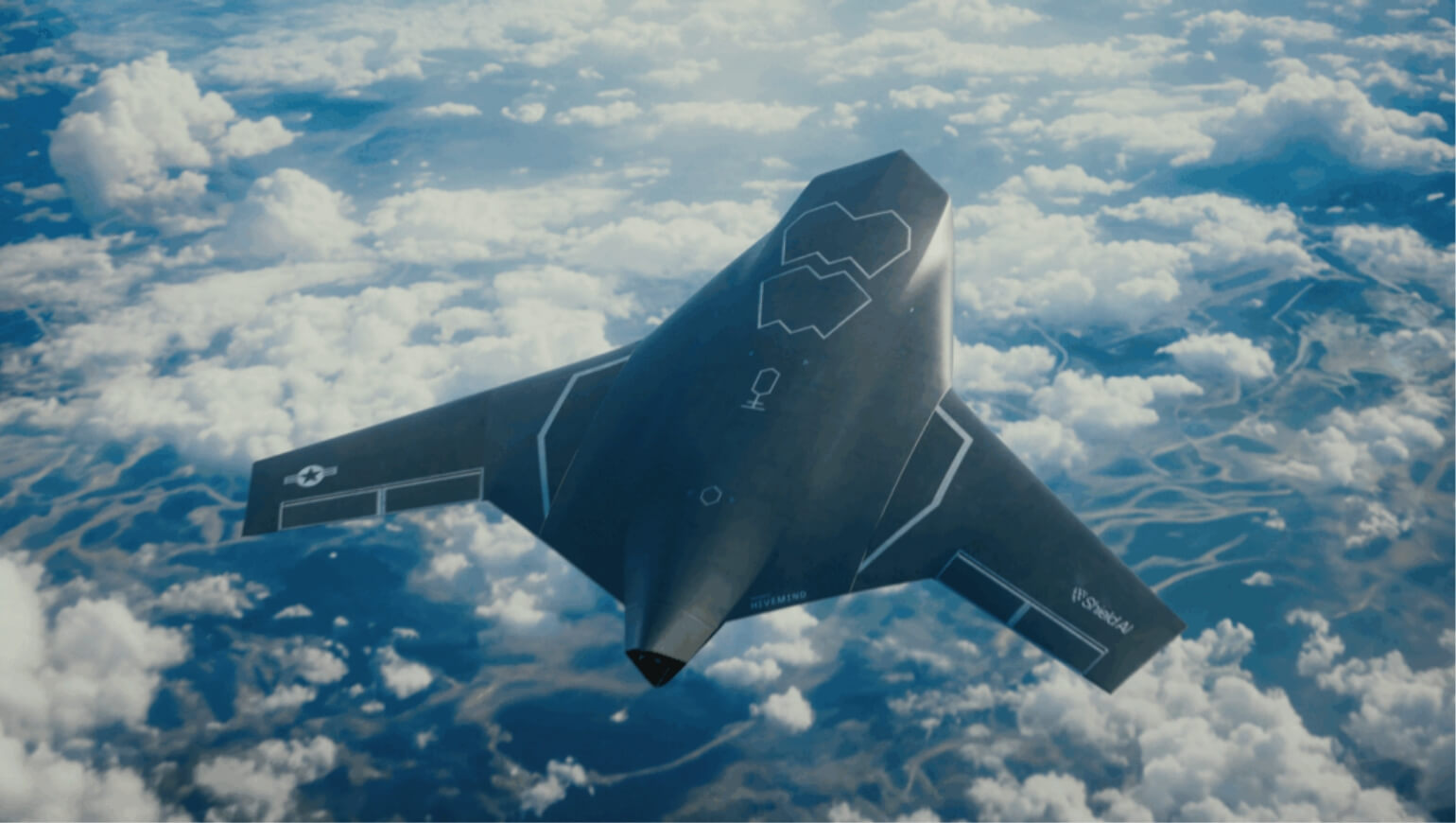
The more significant development and the one with the greatest implications for future conflict is the emergence of true autonomous swarming. In September 2025, Ukraine reportedly became the first nation in history to deploy an autonomous drone swarm in combat, believed capable of coordinating, adapting and striking with minimal human input.
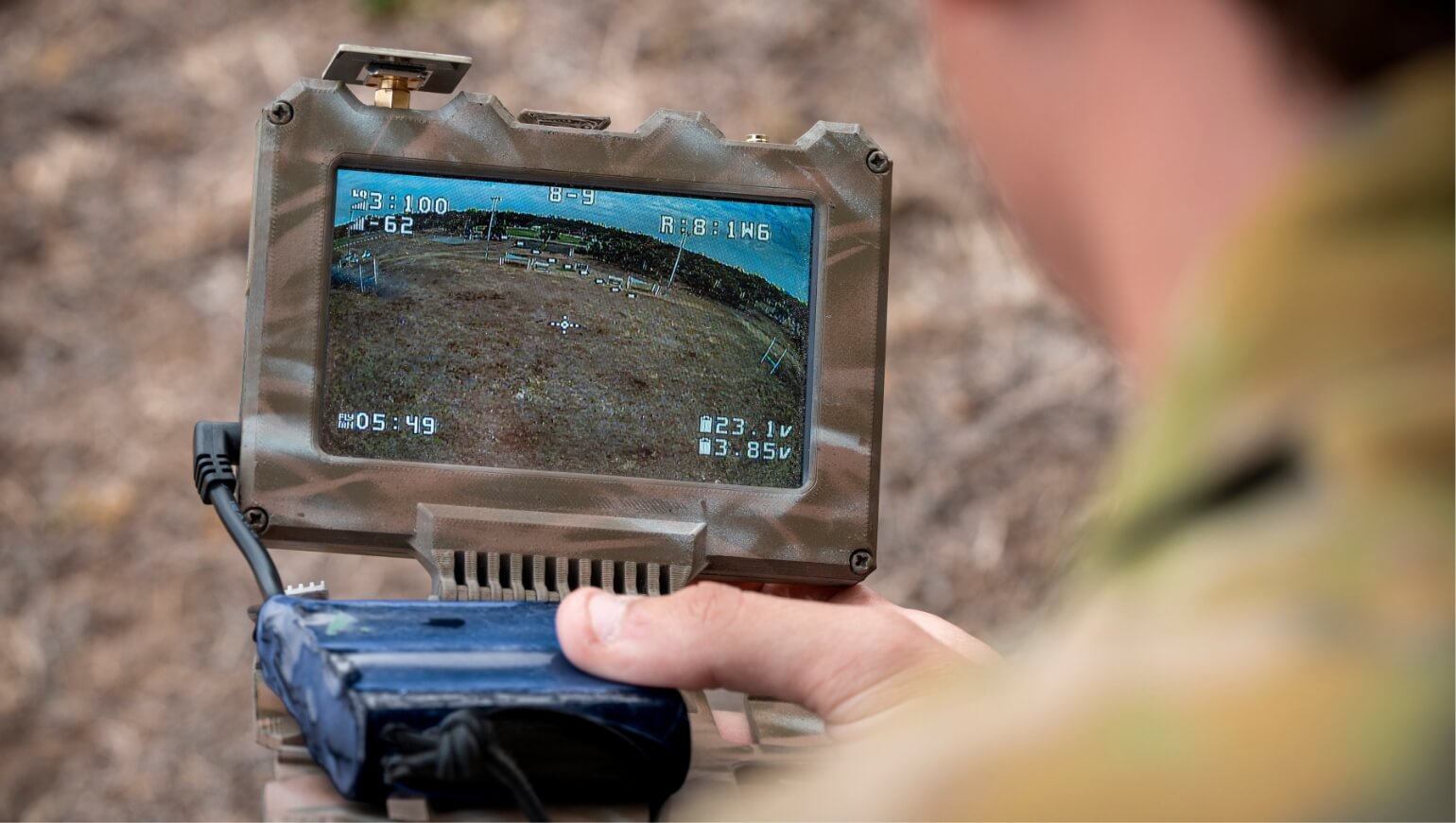
Ukraine has since introduced an AI-powered FPV attack drone, called Saker Scout, that reportedly autonomously detects and pinpoints the coordinates of enemy equipment day or night, even when concealed, and can operate in swarms.
If confirmed, this development marks a major milestone in the deployment of autonomous systems in conflict.
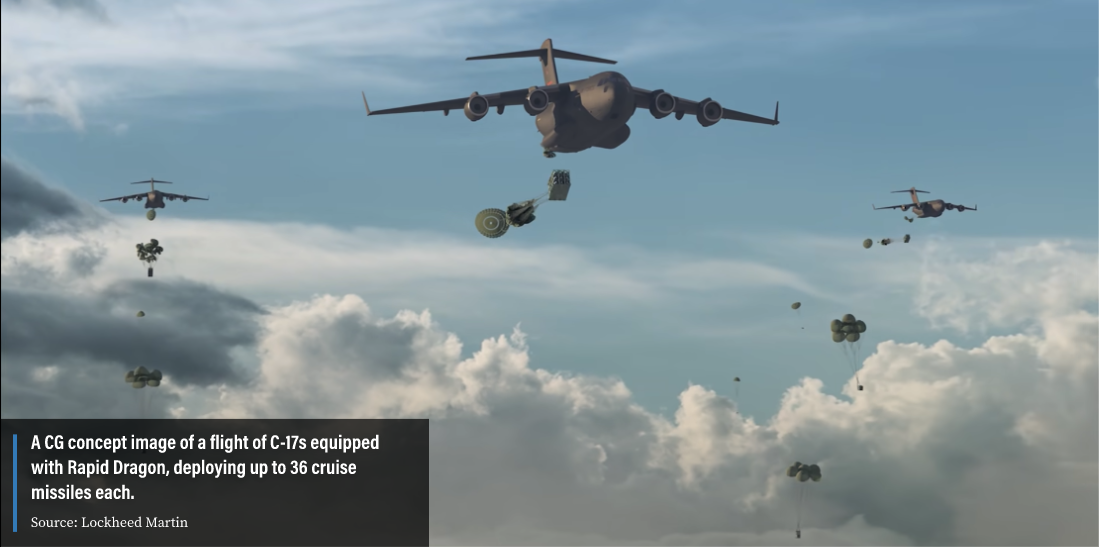
The swarm concept exploits a fundamental asymmetry in defence economics. Drone swarms cannot be countered by limited-ammunition counter-uncrewed aerial system platforms due to the inherent redundancy of individuals within the swarm.”
The swarm concept exploits a fundamental asymmetry in defence economics. Drone swarms cannot be countered by limited-ammunition counter-uncrewed aerial system (UAS) platforms due to the inherent redundancy of individuals within the swarm.
A C-UAS system that relies on conventional surface-to-air projectiles will be unable to eliminate entire swarms and so is unable to cripple the adversary’s operational effectiveness. As AI-enabled drone swarms are likely to play a significant role in future conflict, current air defence systems, including the most sophisticated ones, may not be capable of neutralising large swarms or even volleys of uncoordinated loitering munitions.
The cost-exchange problem alone demands a fundamental rethink of layered air defence.
What Australia must learn
Australia is not Ukraine. Its strategic geography, threat environment and force structure present a different set of challenges, but the core lessons transfer directly.
The first is the imperative of mass at low cost. In May 2025 alone, Ukrainian forces reportedly used 400 different types of drones against Russia.
This industrial-scale employment of diverse autonomous systems demands a sovereign production base that can surge, not a handful of exquisite platforms procured in limited numbers. Canberra has begun to recognise this.
The 2026 Integrated Investment Program (IIP) allocates up to $22 billion for drone, counter-drone and autonomous system technologies over the decade. The direction is right; the pace of sovereign industrial development will be the test.
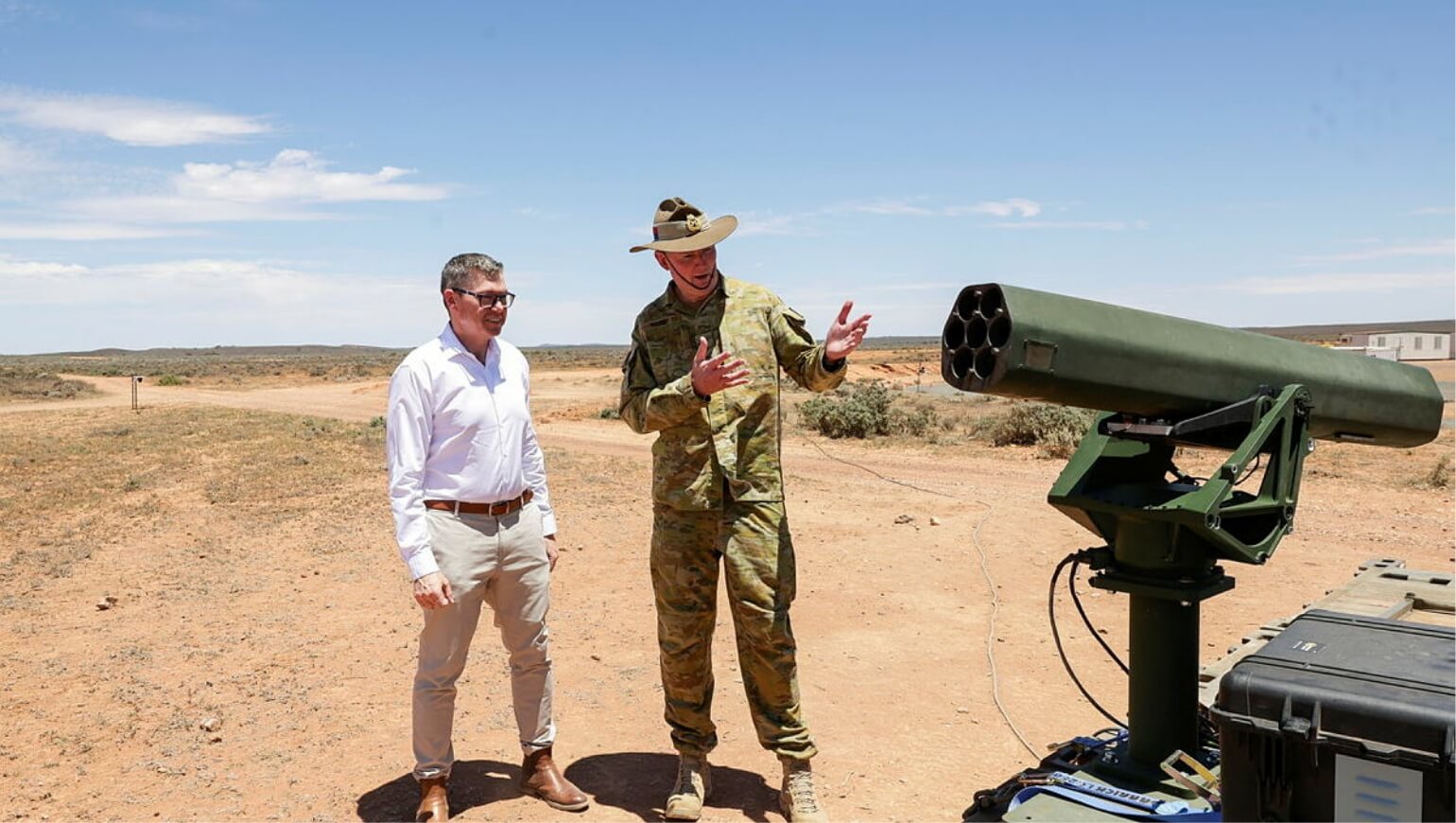
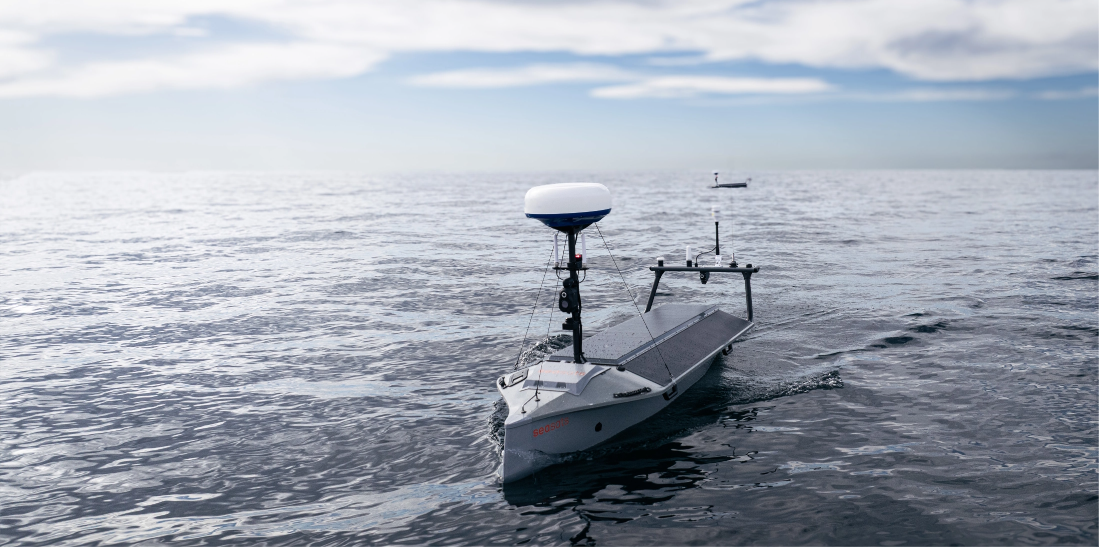
The second lesson is that counter-drone capability must match the threat in sophistication and scale. Funding for counter-drone capabilities has been more than doubled in the 2026 IIP, with the government committing up to $7 billion over the next decade. Early deliveries under the Advanced Strategic Capabilities Accelerator’s (ASCA) Mission Syracuse have produced two Australian-built systems: Aim Defence’s Fractl, a vehicle-mounted laser weapon capable of engaging drones out to approximately one kilometre, and SYPAQ’s Corvo Strike, a loitering interceptor drone designed to track and destroy larger unmanned aircraft.
Both will be integrated into LAND 156 command-and-control networks as critical requirement given Ukraine’s hard-won lesson that isolated C-UAS systems are far less effective than networked ones.
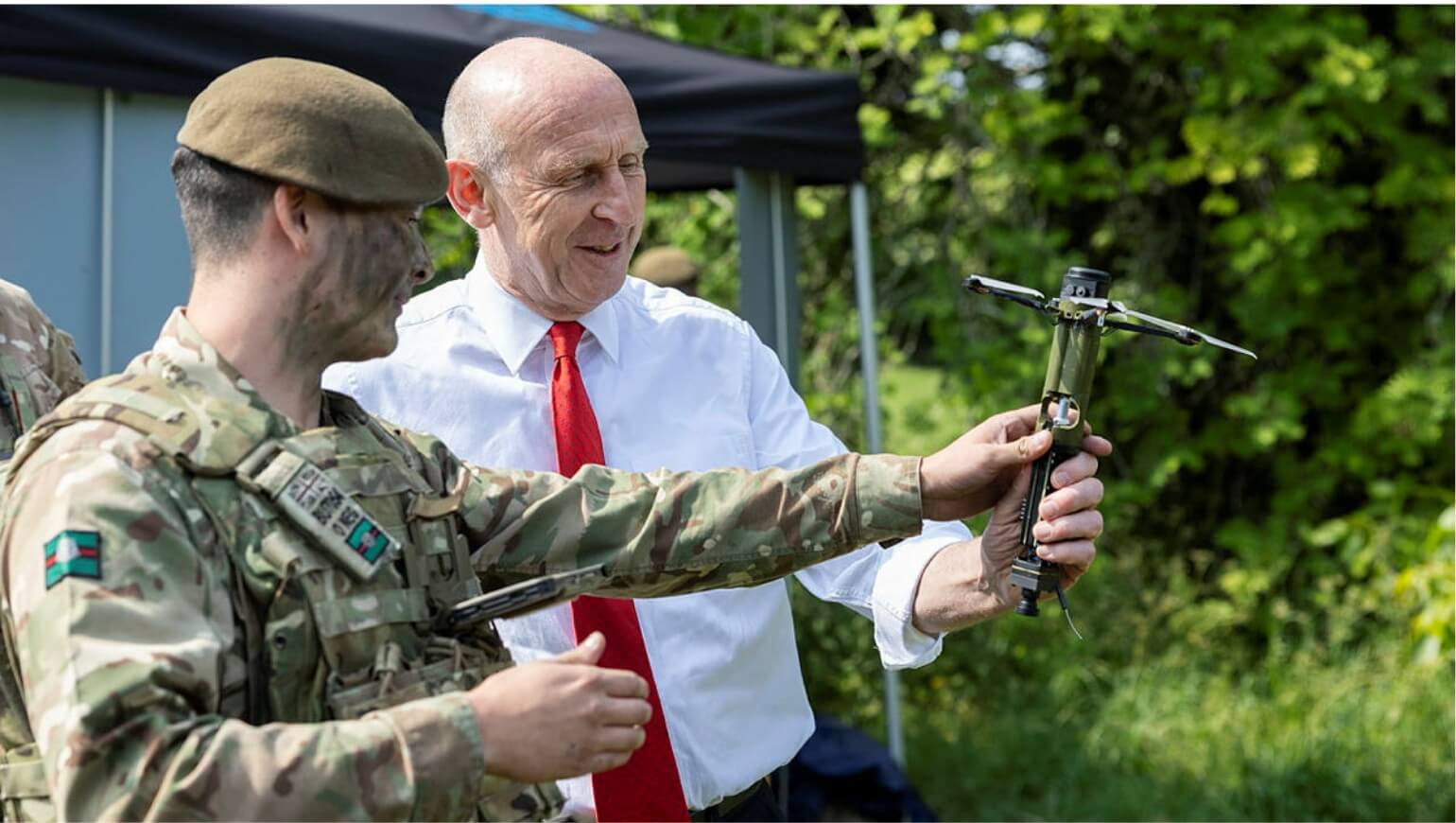
Third, Australia must develop sovereign loitering munition capability at range. The 2024 acquisition of Switchblade 300 systems has been followed by ASCA’s Mission Talon Strike initiative, which seeks a domestically manufactured medium-range precision loitering munition with a delivery deadline of December 2026.
This is promising, but the Ukraine experience suggests medium range is only part of the equation. Deep-strike loitering systems capable of holding adversary logistics, air defence and maritime assets at risk will be essential in any high-end Indo-Pacific contingency.
Fourth, and perhaps most importantly, Australia must move faster, adapt to change, and think innovatively about how best to employ autonomous capabilities in future ADF force structure.
The drone wall concept proposed by the Australian Strategic Policy Institute – persistent autonomous systems layered across Australia’s northern approaches – represents exactly the kind of operational imagination the moment demands. The technology exists. The investment is growing. What remains is doctrinal urgency.
Ukraine’s war did not invent the drone. It industrialised it, autonomised it and has proven what happens when one side embraces that reality and the other does not. Australia has taken note.
The question now is whether it can translate observation into capability and do so before the lesson becomes personal.