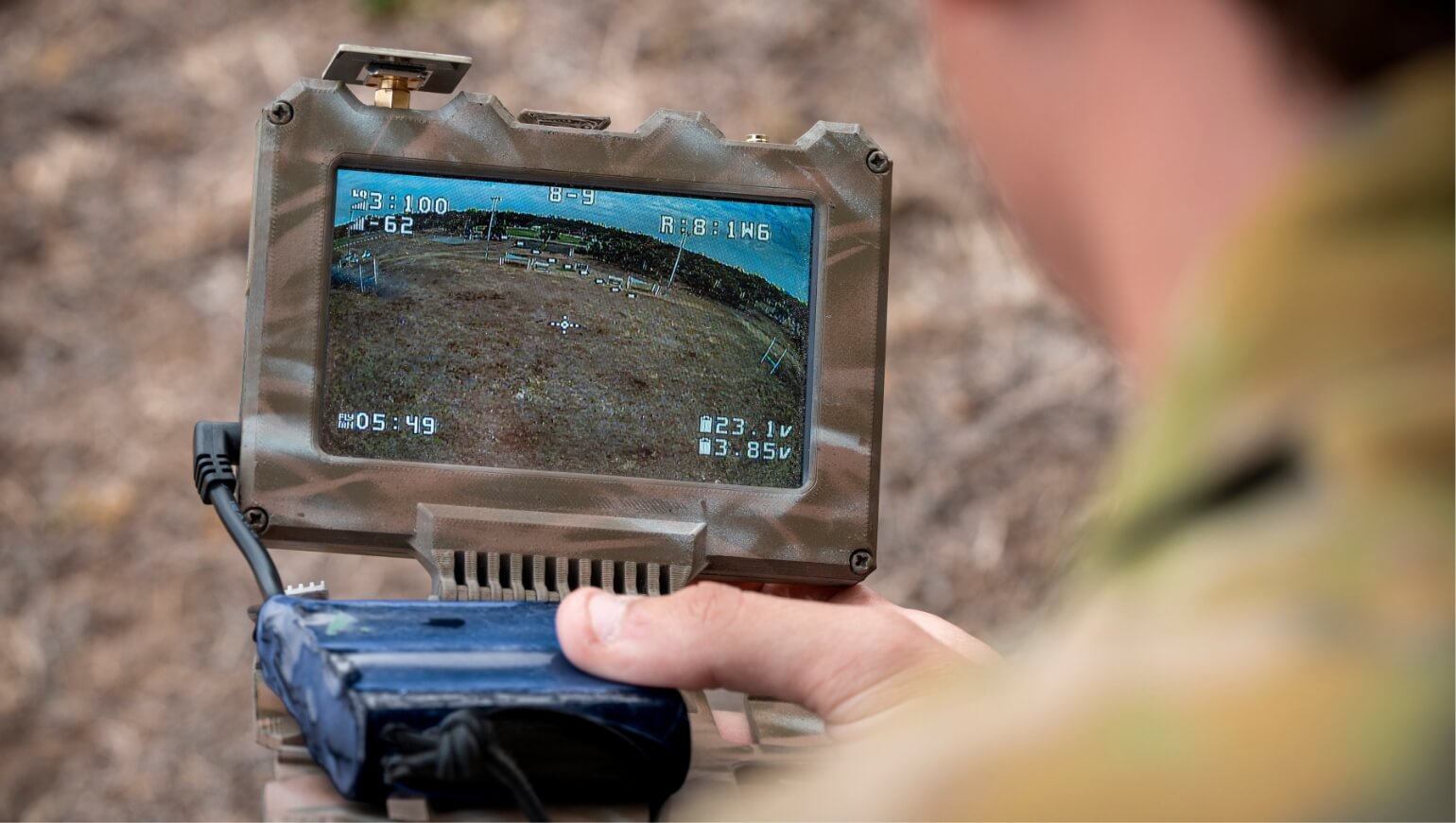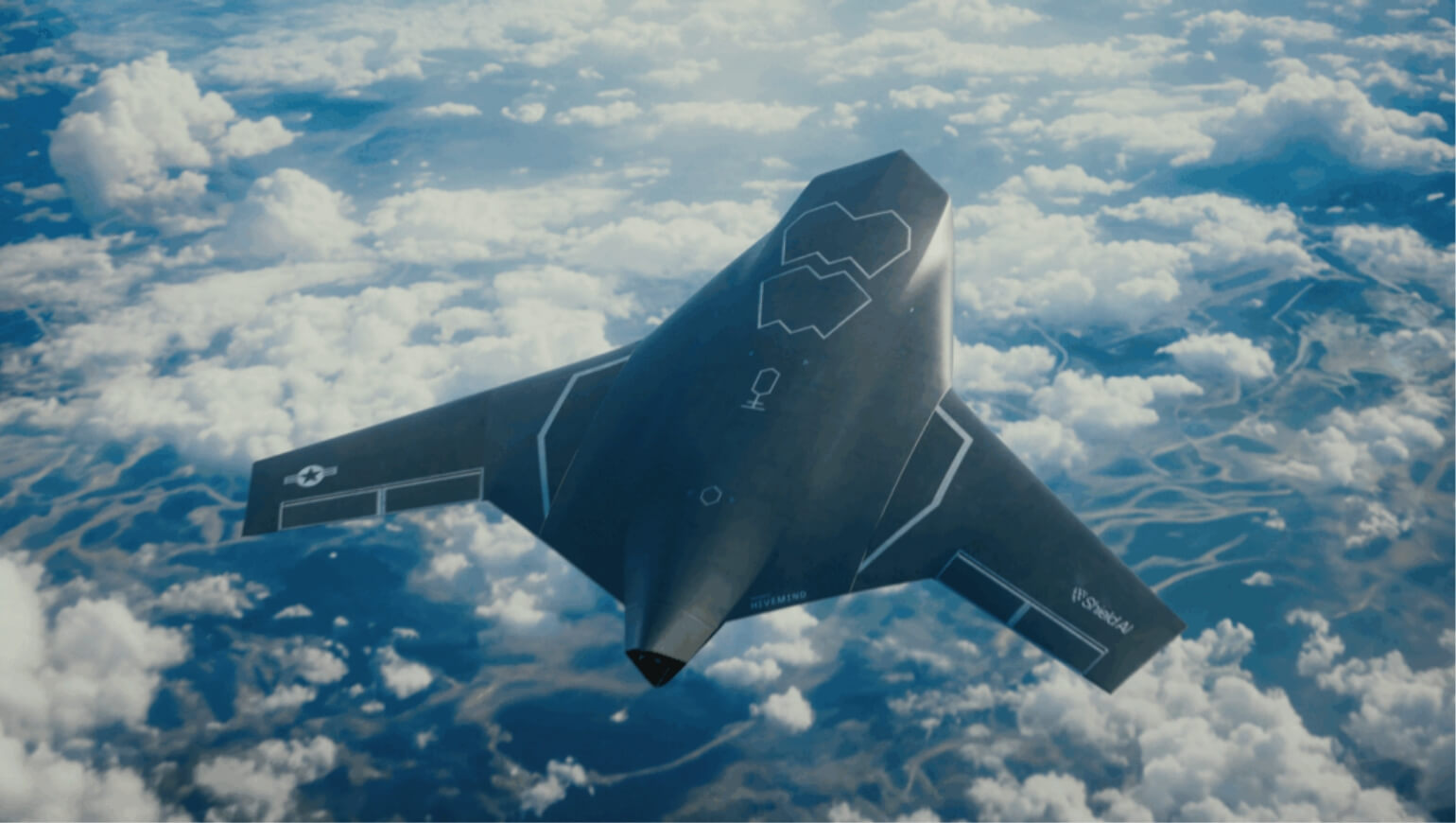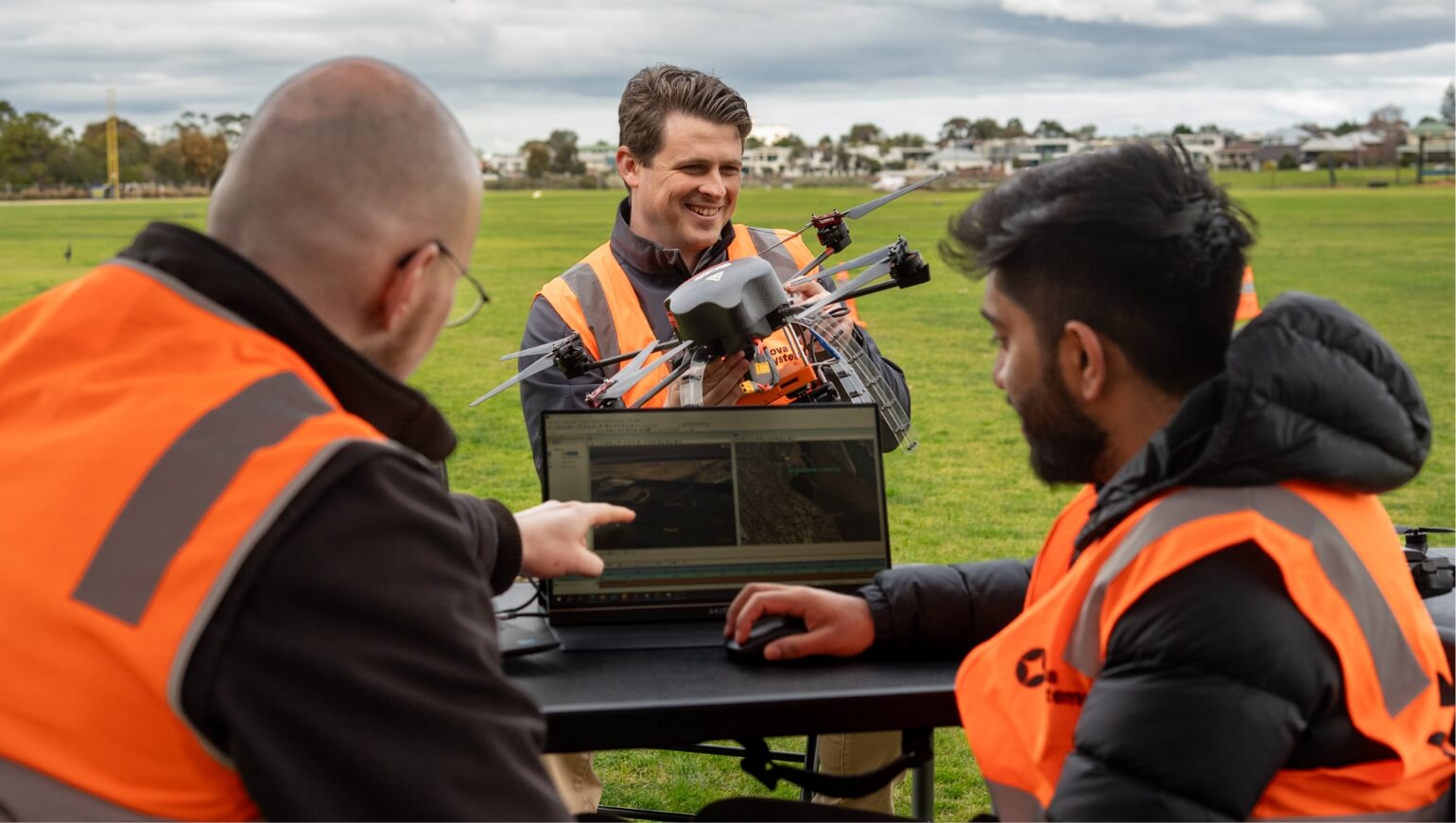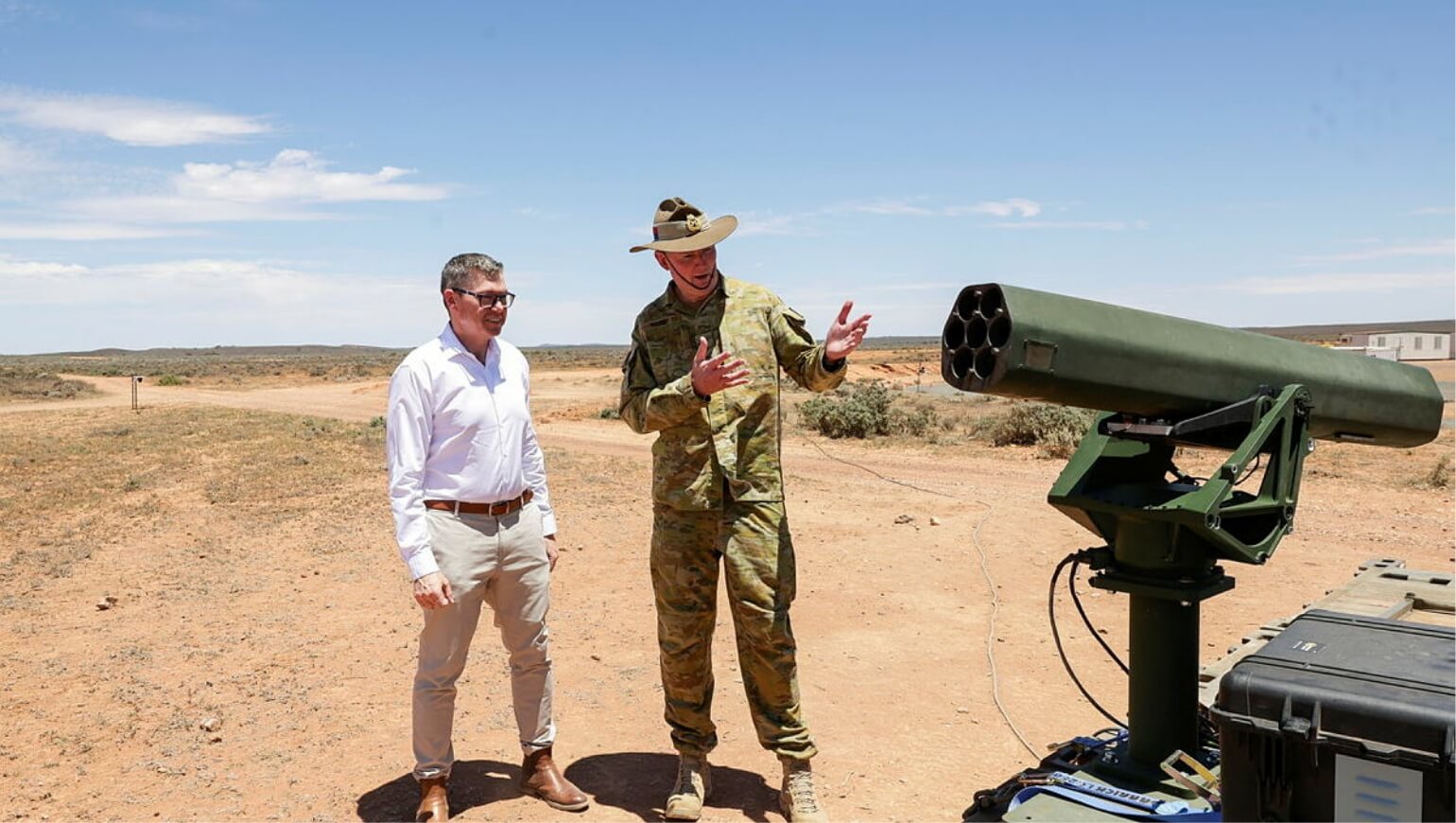


In this environment, the challenge is no longer simply to field individual autonomous platforms but to deliver an integrated autonomous capability spanning platform design, mission control, trusted autonomy, predictive sustainment and fleet-level optimisation. Navantia Australia’s capability in autonomous systems is differentiated by this end-to-end approach. It combines modular sovereign platforms, multi-domain teaming, intelligent asset management and digital twin-enabled insight into a coherent operational ecosystem designed to support real naval missions at scale.
This matters because modern naval autonomy depends on more than robotics or automation in isolation. It requires systems that can integrate with existing force structures, operate in contested or communications-denied environments and scale from single-platform employment to coordinated fleet operations. Navantia Australia’s approach addresses this requirement by focusing on practical deployability, platform-agnostic integration and sovereign control over mission logic, sustainment data and capability evolution. The result is an autonomous systems architecture that is not only innovative but also operationally relevant, resilient and aligned with the strategic need for trusted sovereign capability.
While autonomous systems offer clear advantages in terms of scalability, efficiency and personnel safety, they also introduce new layers of operational complexity. On one hand, these systems can expand fleet capacity and enable more efficient mission execution. On the other, they require new approaches to managing decision authority, ensuring trust in automated processes and maintaining operational coherence across distributed platforms. The future effectiveness of naval autonomy will depend on addressing challenges related to scalable mission control, sustainment at scale, data integration and the alignment of human and machine decision making.
The future effectiveness of naval autonomy will depend on addressing challenges related to scalable mission control, sustainment at scale, data integration and the alignment of human and machine decision making.”
The Uncrewed Landing Craft
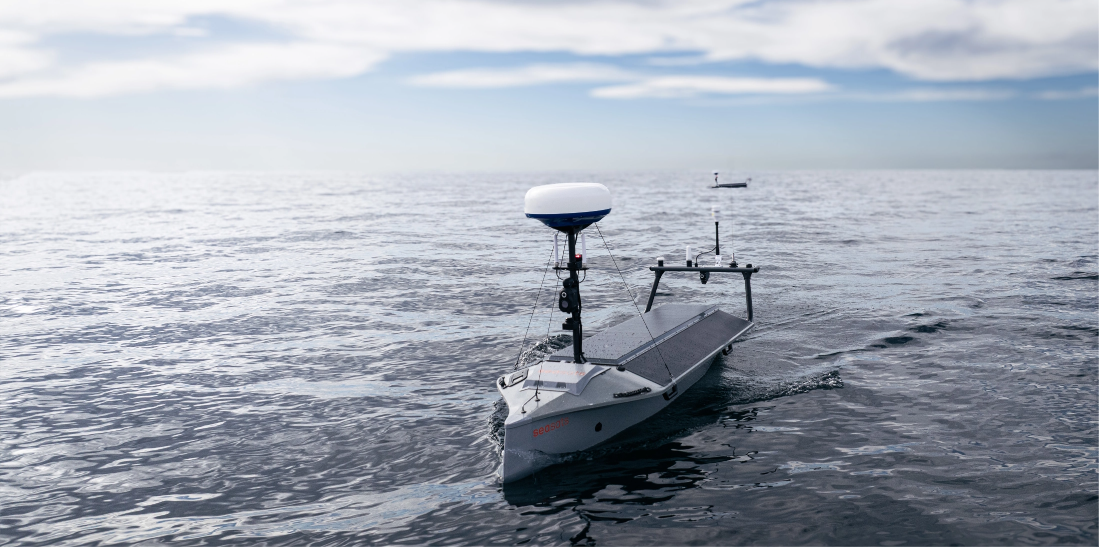
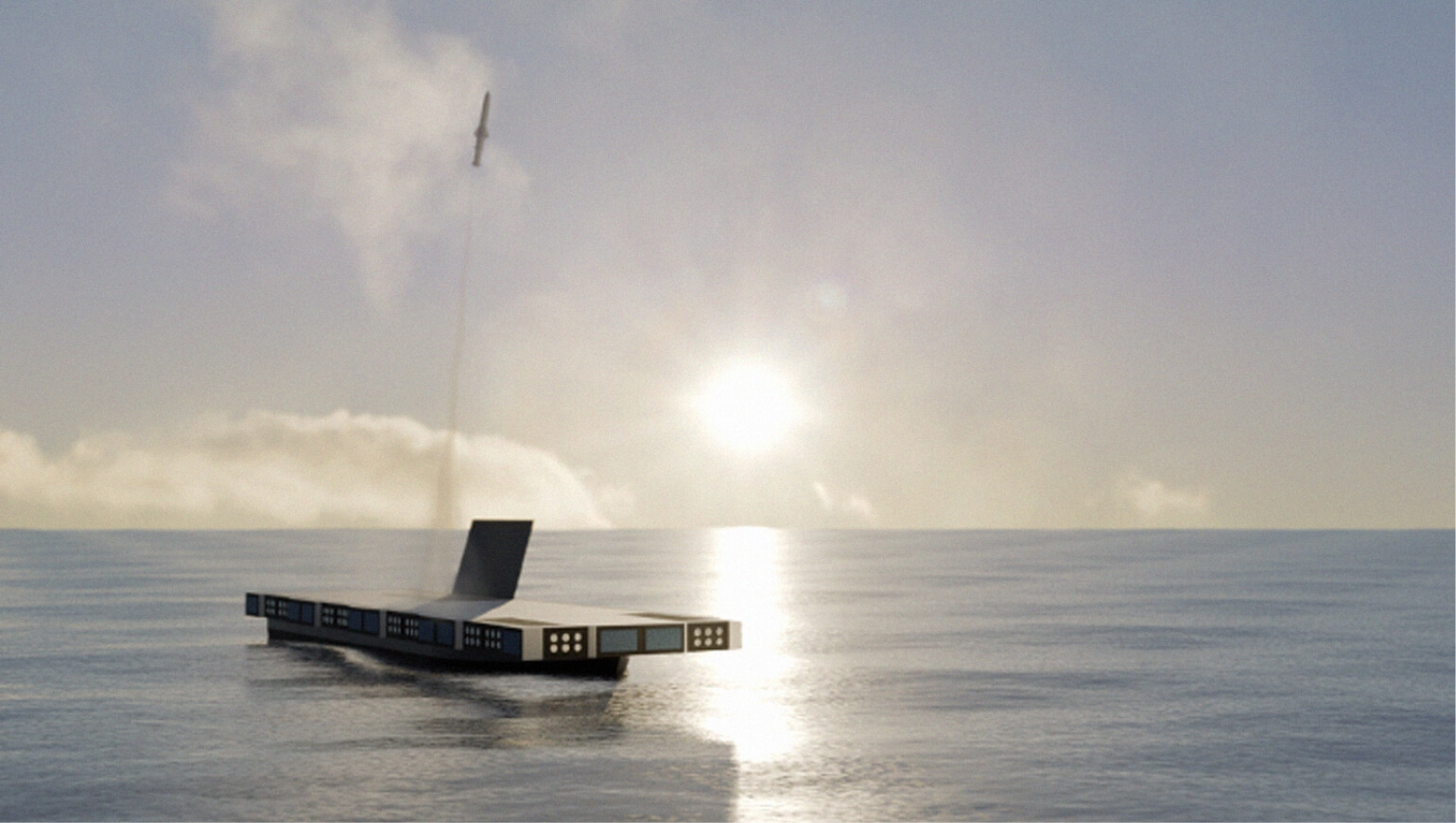
Navantia Australia’s Uncrewed Landing Craft (ULC) is a next-generation, modular vessel designed to operate across riverine, littoral and open-water environments. Its adaptable architecture enables rapid reconfiguration to support a wide range of mission profiles, from logistics and intelligence, surveillance and reconnaissance (ISR) to humanitarian assistance and infrastructure deployment. The platform is designed to function both as an independent asset and as part of a broader, networked fleet, expanding the scope of uncrewed maritime capability.
A defining feature of the platform is its capacity to autonomously support critical infrastructure operations. It can facilitate the rapid deployment of bridges, platforms, sea trains and jetties in diverse operational contexts and supports the integration of mission-specific payloads to enhance flexibility and scalability. As a result, the vessel can be configured to meet varied operational requirements without extensive modification. It can conduct ship-to-ship, shore-to-ship and shore-to-shore operations, supporting a wide range of logistical and operational tasks. Integrated sensor packages further extend its utility by enabling tailored ISR capabilities across different mission sets.
In addition to operational flexibility, the platform supports humanitarian and disaster response efforts through rapid reconfiguration for aid delivery, medical support and infrastructure restoration. It can also be equipped to refuel larger vessels, contributing to extended fleet endurance and operational reach. These capabilities are underpinned by a modular architecture that supports ongoing capability development and integration of advanced systems, including self-learning and collaborative software that will enable higher levels of autonomy over time.
Autonomous vessels such as the ULC should be understood as force-enabling components within a distributed and coordinated fleet system. As a modular, interoperable and intelligent platform, the ULC illustrates how autonomous systems can strengthen naval capability. It extends operational reach, supports sustained mission execution and contributes to a more flexible and resilient force posture across a range of demanding environments. As navies continue to adopt uncrewed platforms, the focus is shifting from platform development to effective integration within existing force structures. This integration offers opportunities to enhance operational efficiency, resilience and adaptability.
Managing large autonomous fleets
The transition from managing individual autonomous platforms to overseeing large fleets and swarms introduces a significant increase in operational complexity. This is driven by the need for effective coordination across multiple domains, including maritime, aerial and subsurface environments. These challenges are compounded in contested settings, where communication latency and network degradation can disrupt centralised control. As autonomous systems scale, the promise of efficiency may be accompanied by a growing burden on human operators. Rather than simplifying control, increased numbers of platforms can intensify cognitive demands as operators must contend with reduced situational clarity across distributed assets and more intricate mission planning requirements. Ensuring safe, reliable and scalable mission execution now depends on reducing cognitive load while maintaining high levels of operational awareness and effectiveness.
To address these challenges, navies require systems that enable simplified and coherent control at scale. Multi-robot teaming approaches provide a pathway forward by allowing operators to manage multiple assets more efficiently. Solutions such as Navantia Australia’s Omatha multi-robot teaming system illustrate how intelligent coordination frameworks can reduce operator burden while enhancing mission performance. The long-term success of large autonomous fleets will depend on the ability to translate increasing technological complexity into practical gains in efficiency, resilience and reliability.
Omatha multi-robot teaming
Navantia Australia’s Omatha is designed to address the demands of large-scale autonomous fleet management through advanced algorithms and intelligent automation. As a sovereign teaming algorithm, it enables a single operator to control multiple autonomous platforms across domains with both human-machine and machine-machine coordination. This approach redefines mission execution by shifting from platform-centric control to integrated, fleet-level coordination supported by decision assistance tools.
A central feature of the system is its ability to scale control without increasing operator workload. By leveraging artificial intelligence and optimisation algorithms to automate complex planning and decision-making processes, Omatha reduces cognitive burden and enables higher levels of situational awareness. It supports a broad range of mission profiles, including ISR, MCM, force protection, and search and rescue operations. This versatility allows it to be deployed across diverse operational contexts with minimal reconfiguration.
Omatha is platform agnostic and can be seamlessly implemented onto multiple platforms to provide mission control across a variety of crewed and uncrewed systems. Its life cycle functionality supports planning, deployment and command within a unified framework. Designed for multi-domain teaming, the system enables rapid deployment and flexible adaptation to evolving operational requirements. This flexibility is particularly valuable in complex and contested environments, where conditions may change quickly and require dynamic reallocation of resources.
Omatha incorporates advanced algorithms for real-time resource optimisation, distributing tasks and adjusting control authority across platforms as mission needs evolve. Integrated multi-sensor data fusion provides operators with a coherent and up-to-date operational picture, improving situational awareness and decision making. Predictive decision support further enhances mission outcomes by anticipating potential challenges and recommending efficient courses of action.
Through these capabilities, Omatha functions as a force multiplier by maximising the ratio of autonomous systems to human operators while reducing the risk of systemic error. It enables distributed assets to operate as a coordinated and cohesive force, even in environments where communications are limited or disrupted. This approach strengthens the resilience of autonomous fleets and supports consistent mission execution under challenging conditions.
By enabling effective coordination across multiple autonomous platforms, Omatha demonstrates how advanced teaming algorithms can transform a collection of individual systems into a unified operational capability. It supports the development of scalable, resilient and efficient autonomous fleets, allowing navies to realise the full potential of multi-domain autonomy.

Trusted autonomy by design
Operators of autonomous systems increasingly face the challenge of establishing and maintaining trust in autonomously made decisions. In complex or contested environments, it is not sufficient for operators to observe system behaviour. They must also understand the rationale behind system actions in order to act with confidence. When this trust is absent, operators may hesitate to rely on automated decisions or intervene unnecessarily, which can slow mission tempo and reduce overall effectiveness. In these circumstances, the intended cognitive and operational advantages of autonomy are diminished and decision-making bottlenecks can appear.
Addressing this challenge requires a deliberate focus on trusted autonomy through advanced human-machine teaming and intelligent system design. Trusted autonomy is characterised by the ability of autonomous systems to perform tasks reliably, safely and ethically while maintaining operator confidence through predictable and verifiable behaviour. This involves ensuring that system actions are transparent and explainable, enabling operators to understand how and why decisions are made. Consistency in system performance across varying scenarios further reinforces this confidence and supports dependable operational outcomes.
Solutions such as Omatha contribute to building trusted autonomy by enhancing both transparency and usability. Its decision-support framework offers clear insight into system recommendations, supporting operator understanding and informed decision making. The incorporation of predictable and standards-compliant behaviours, including adherence to established navigation protocols such as the Convention on the International Regulations for Preventing Collisions at Sea, strengthens confidence in system actions.
As trust in autonomous systems develops, operators are able to manage resources more effectively and maintain higher levels of readiness over time. This increased confidence enhances flexibility in task allocation and decision making across distributed operations. In this context, trusted autonomy becomes a foundational element of resilient naval capability, requiring reliable performance, transparency, explainability, predictable behaviour and appropriate human oversight. These factors are critical to assurance, command responsibility and safe operation in complex environments, distinguishing simple autonomy for autonomy’s sake from autonomy that is operationally credible.
Intelligent asset management at scale
As autonomous fleets continue to expand in size, complexity and distribution, navies face a critical challenge in managing, optimising and sustaining large numbers of assets in real time. Traditional approaches to asset management are increasingly inadequate in this context. Data is often fragmented across platforms and domains, limiting holistic visibility and constraining effective decision making. At the same time, processes remain largely reactive and dependent on human intervention, which can lead to inefficiencies in maintenance, reduced predictability in operational readiness, and limited insight into overall fleet performance.
Autonomous fleets generate substantial volumes of high-frequency data from multiple sources, alongside complex interdependencies between platforms and mission-specific utilisation patterns. In a hybrid force structure, maintaining awareness of individual asset health while ensuring fleet-wide performance and availability presents a significant operational burden. Without integrated and intelligent management systems, the advantages of autonomy risk being diminished by a lack of actionable insight.
To address these challenges, platforms such as Navantia Australia’s Teleia intelligent asset management platform provide a data-driven approach to fleet sustainment and optimisation. By leveraging real-time analytics and advanced modelling, these systems enable more efficient management of distributed autonomous assets. They support a shift from reactive maintenance practices to proactive strategies, ensuring that fleets remain efficient, reliable and resilient throughout their operational life cycle.
Teleia intelligent asset management platform
Teleia provides a unified interface through which operators can monitor asset health, track mission progress and access actionable insights. It can be integrated with existing control systems such as the Integrated Platform Management System and uses built-in digital twin technology to perform dynamic modelling of vessels, subsystems and mission environments. In this role, Teleia serves as a fleet-wide intelligence layer that connects data, sustainment functions and operational decision making. By linking the status of individual components to broader operational conditions, Teleia supports comprehensive situational awareness and coordinated decision making across multiple levels of command.
This interoperability is particularly important as navies transition towards hybrid force structures that combine legacy crewed platforms with new autonomous assets. By integrating with existing fleet systems and operational workflows, Teleia supports incremental adoption rather than wholesale replacement, enabling autonomous capability to be introduced in a practical and mission-aligned way. This strengthens asset deployability, improves continuity across current and future force designs, and reinforces the value of Navantia Australia’s autonomous architecture as an operationally grounded solution rather than a stand-alone technology offering.
Teleia enables a transition from reactive to proactive asset management through the application of advanced system analytics. These capabilities allow operators to anticipate system failures, optimise maintenance schedules and make informed decisions based on current and projected conditions. Its modular architecture supports functions such as real-time system health monitoring, advanced failure detection, time-to-failure analysis and AI-assisted troubleshooting. In addition, it facilitates optimised vessel routing and resource allocation, while secure offline operation ensures continuity in communications-denied environments.
Through the integration of diverse data sources and the provision of context-aware insights, Teleia transforms asset management into an operational enabler of fleet performance and resilience. It supports navies in sustaining and optimising autonomous fleets with a higher degree of precision, strengthening efficiency and ensuring reliable performance in complex conditions.
Operating with foresight
As autonomous fleets scale, their effectiveness increasingly depends on the ability to anticipate and mitigate potential disruptions. Without deep system insight, failures may emerge without warning, operators may lack visibility into subsystem health and maintenance activities may remain reactive and costly. This can introduce fragility into otherwise capable autonomous systems, limiting their ability to adapt effectively in dynamic environments.
Digital twin technology embedded within platforms such as Teleia addresses this challenge by creating high-fidelity, continuously updated models of assets and their operating conditions. These models integrate real-time sensor data, historical performance information, environmental inputs and mission parameters to form a comprehensive system-of-systems representation. This enables operators to understand not only the current state of an asset, but also its anticipated future behaviour.
Through this capability, operators can move seamlessly between fleet-level and component-level perspectives, identifying early signs of system degradation and linking engineering data to operational context. Digital twin modelling allows for earlier detection of anomalies and estimation of time to failure, supporting timely intervention. Scenario simulation further enhances decision making by evaluating multiple possible future states and informing both operational planning and maintenance strategies.
The digital twin approach extends beyond observation by providing contextualised, predictive and actionable insight. It supports reliability centred maintenance, mission-aware sustainment, real-time decision support and improved fleet resilience. Maintenance can therefore be conducted based on vessel condition, reducing disruption and ensuring that interventions occur before performance is affected.
By enabling earlier identification of issues and more informed decision making, digital twin-driven insight strengthens operational continuity and resilience. Autonomous fleets equipped with these capabilities are better positioned to anticipate challenges, optimise performance and sustain operations in uncertain environments. This forward-looking approach enhances efficiency and reliability, supporting a more resilient and adaptable naval force.
Integrated capabilities
Taken together, these capabilities form a cohesive autonomous systems architecture in which platform, mission control, predictive insight and sustainment intelligence operate as an integrated whole. This is a key differentiator for Navantia Australia. Rather than presenting isolated technologies, the architecture connects the ULC as the modular platform layer, Omatha as the fleet coordination and teaming layer, digital twins capability as the predictive modelling layer and Teleia as the sustainment and decision-support layer. The outcome is a practical and scalable operating model for autonomous naval capability that reduces operator burden, improves readiness and availability, extends operational reach and enables resilient mission execution across distributed and contested environments.
A well-integrated autonomous ecosystem has important strategic implications. By improving coordination and maintaining coherence across distributed assets, navies are better positioned to deliver humanitarian assistance, deploy critical infrastructure and maintain operational advantage in contested environments. Effective management of complexity within these systems supports greater reliability and resilience, ensuring that autonomous fleets can respond to dynamic operational demands with confidence.
The current benchmark for autonomous capability lies in the ability to scale, sustain, and control systems under real-world conditions. This requires more than individual technological innovation. It demands robust integration across multiple layers of capability. Solutions developed by Navantia Australia demonstrate how this can be achieved through a structured ecosystem that connects physical platforms, mission control systems, advanced analytics and intelligent asset management functions.
This integrated architecture includes the ULC as the physical platform layer, Omatha as the mission control and coordination layer, digital twin technology as the predictive modelling layer and Teleia as the actionable insights layer. Within this framework, Teleia and the digital twin capability provide continuous insight into system status and performance, informing the decision-making processes within Omatha. In turn, Omatha coordinates fleet behaviour and tasking, supporting ongoing learning and operational optimisation.
A key strength of this ecosystem lies in its resilience. By design, these integrated systems can continue to function even in conditions where communications are degraded or denied. This ensures continuity of operations and supports mission success in contested environments. The emphasis has therefore shifted from developing stand-alone autonomous technologies to achieving effective integration that delivers reliable, scalable and controllable capability.
Navies are increasingly required to demonstrate that autonomous systems can operate cohesively, safely, and consistently under real operational pressures. Integrated solutions such as Omatha, Teleia, digital twins, and the ULC illustrate how this can be realised through an approach that is sovereign, modular, interoperable and operationally grounded. By combining mission control, trusted autonomy, predictive insight and intelligent sustainment within a unified architecture, Navantia Australia is positioned not simply as a developer of autonomous technologies but as a provider of deployable autonomous systems capability for modern navies. This capability supports scalable force mass, reduces risk to personnel, improves resilience in contested environments and strengthens the ability of navies to generate and sustain operational effect across multiple domains.