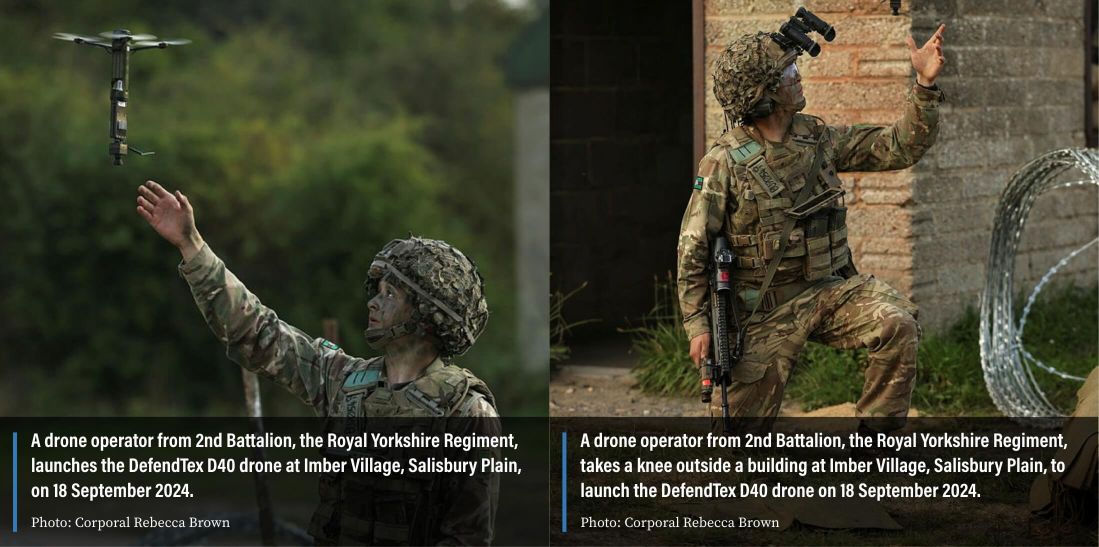


In a significant boost to the lethality of infantry units, it’s envisioned that the munitions would be deployed by Japanese infantry teams to interdict enemy vehicles, personnel and vessels at 24 kilometres of range during littoral operations or top-attack strikes against infantry in trench systems.
It’s understood that Australian defence company DefendTex will supply Drone40 loitering munition systems to the Japan Self-Defense Forces through Japanese trading house Marubeni Aerospace under the recent contract.
Delivery of a reported Drone40 munitions is scheduled for May 2027 under the “Small Attack UAV Type I” program contract, however, the actual unit numbers of the small munitions could total in the thousands.
DefendTex is yet to release a statement, neither to confirm nor deny the contract.
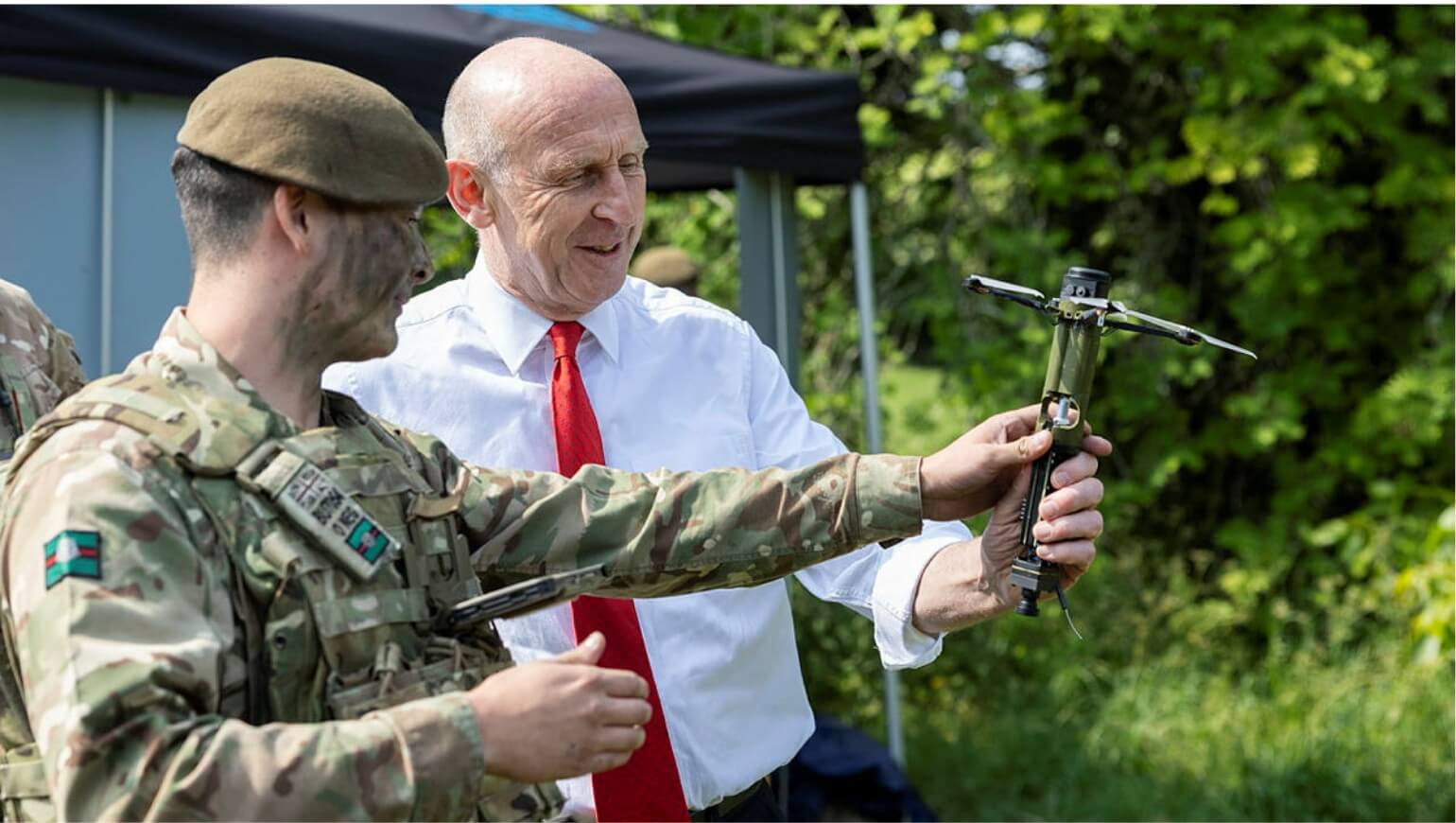
The Drone40 loitering munitions are designed as a compact, 40mm grenade-launcher-deployable loitering munition offering low cost per unit, swarming and autonomous flight capability as well as multiple payload options.
The drones have a range of 35km, flight time of 60 minutes, dash speed of 20 m/s and payload options such as intelligence, surveillance and reconnaissance, flashbang, explosively formed penetrator, training effector, smoke and fragmentation.
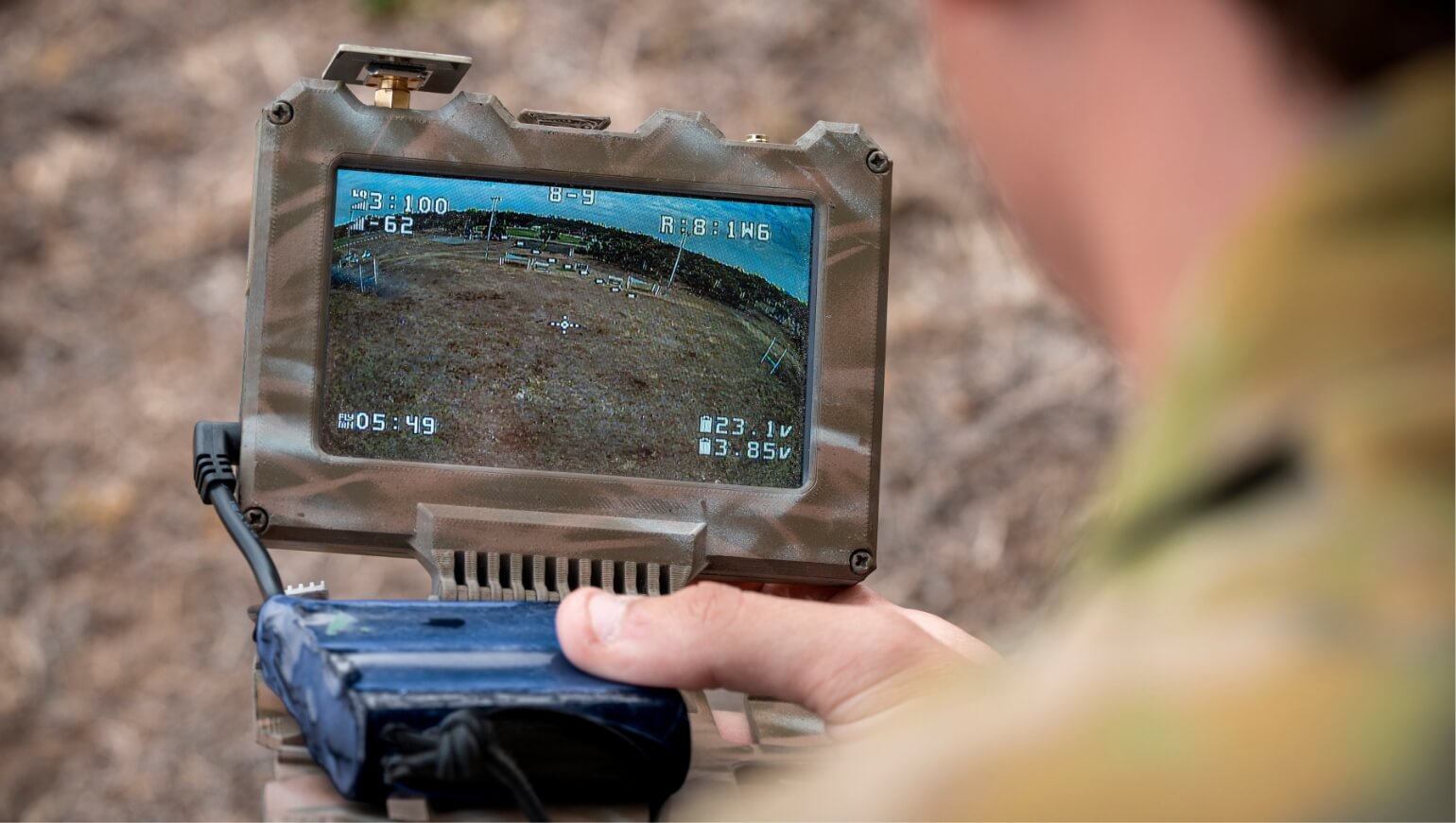
Each unit features a GPS-based autopilot system with a portable ground control station communicating over an encrypted radio data link.
Rear units could even launch the devices before transferring control to forward units for final attack runs, with each unit equating to the destructive force of a medium velocity 40mm warhead, according to information obtained by Defence Connect.
The contract would mark a significant milestone in defence relations between the two countries and potentially form Japan’s first dedicated procurement of attack-capable unmanned aerial vehicles (UAV).
The contract would mark a significant milestone in defence relations between the two countries and potentially form Japan’s first dedicated procurement of attack-capable unmanned aerial vehicles.”
It’s understood that the munitions have been trialled, evaluated or used by the US Marine Corps, UK Ministry of Defence and Australian Army’s Robotic and Autonomous Systems Implementation & Coordination Office.
Australian defence industry leader and DefendTex chief executive officer Travis Reddy has previously advocated for Australia to consider domestic solutions for its military acquisitions.
“There’s no point coming up with innovative solutions if the processes around us aren’t innovative, and I’m referring specifically to acquisitions,” he says while accepting an award as the “Defence Innovator of the Year – Company” at the 2024 Australian Defence Industry Awards in Canberra in 2024.
“My appeal to (the Department of) Defence is that while you’re looking for defence innovation, look to the many Australian companies and many universities that are innovative in what they do before you look overseas.
“The answers to most of your problems are probably here in this room (of defence industry). “To the men and women of the Australian Defence Force who are the reason we are all here, thank you and we continue to serve you in our own way.”