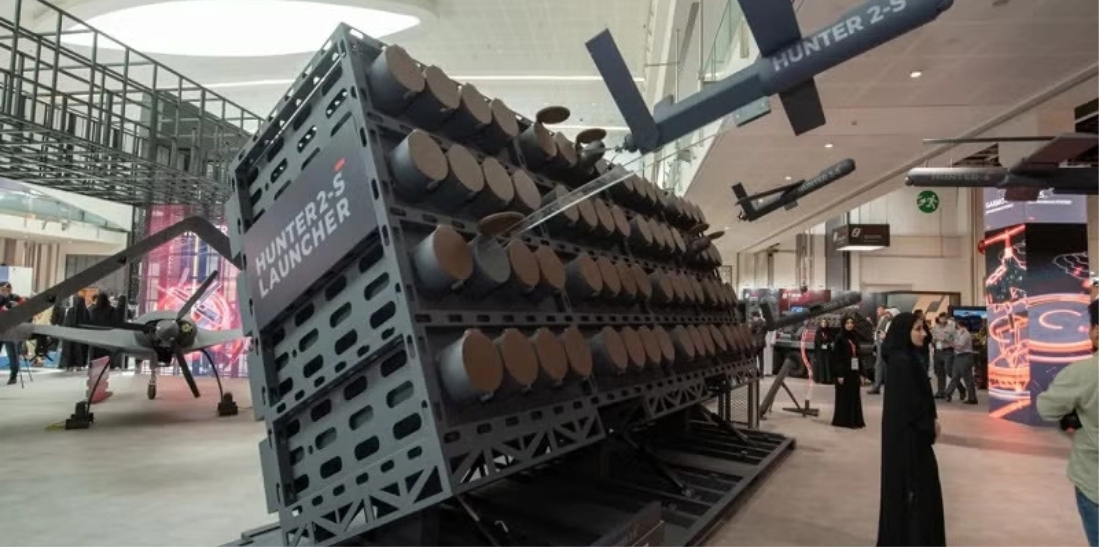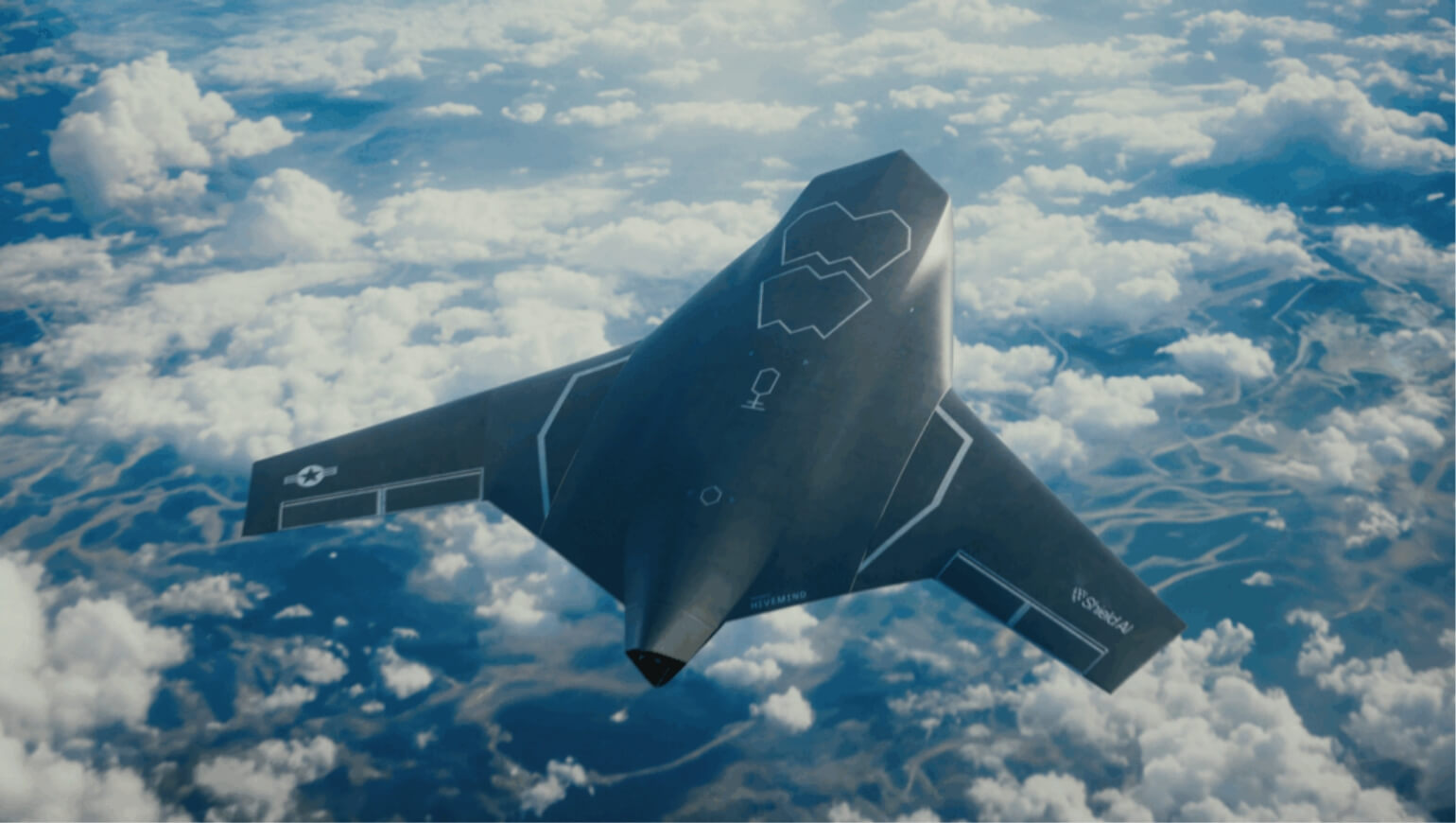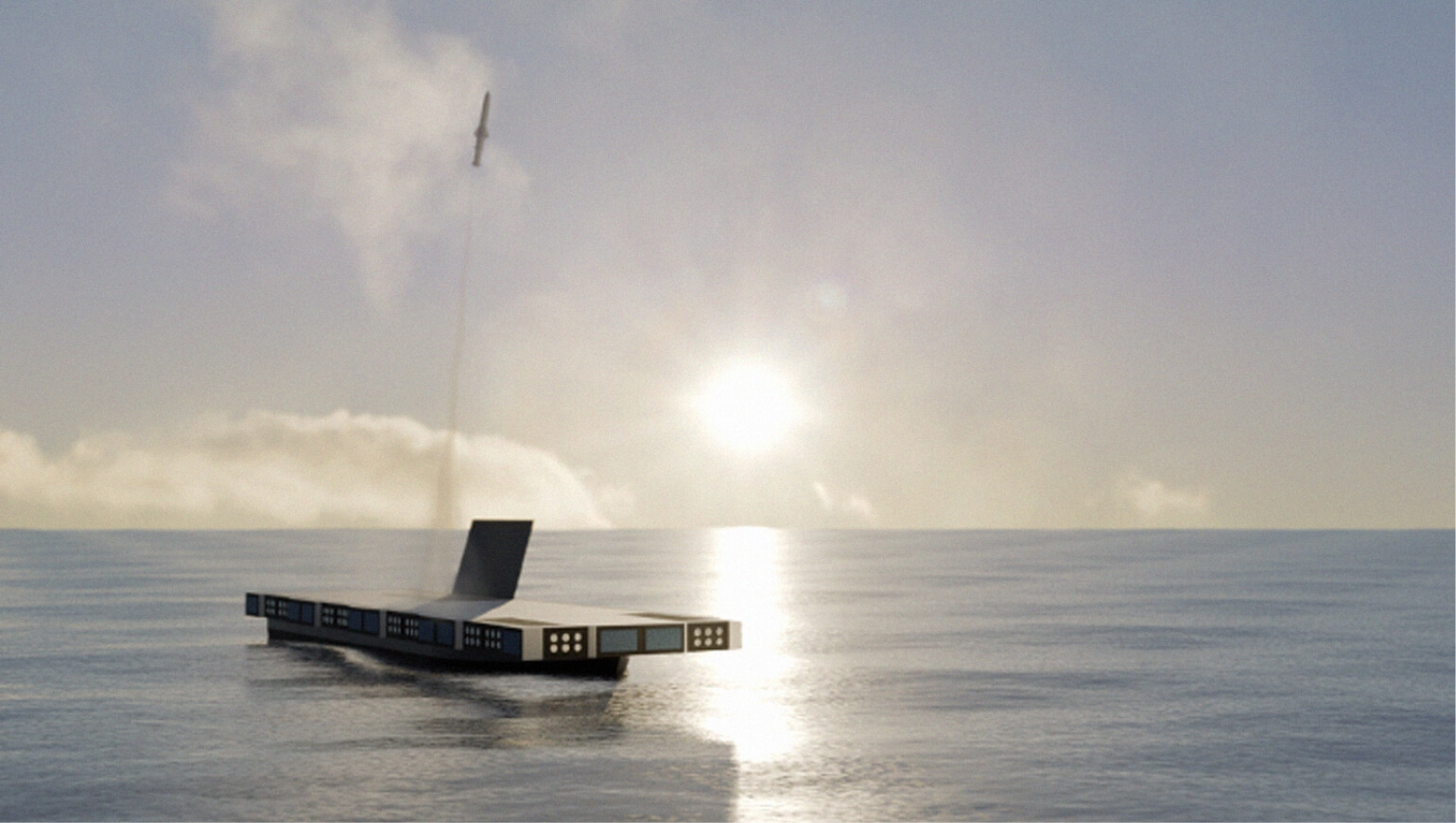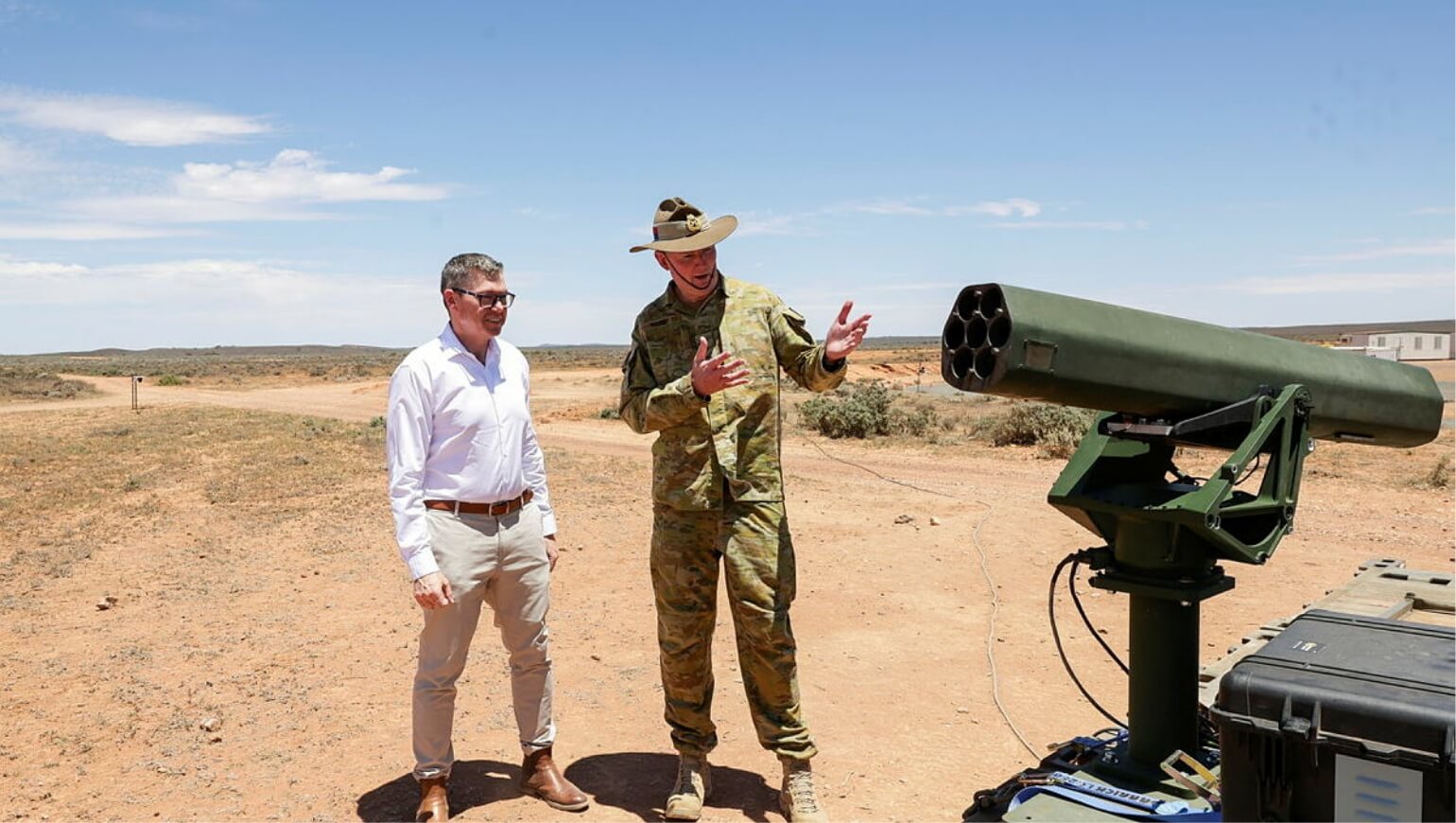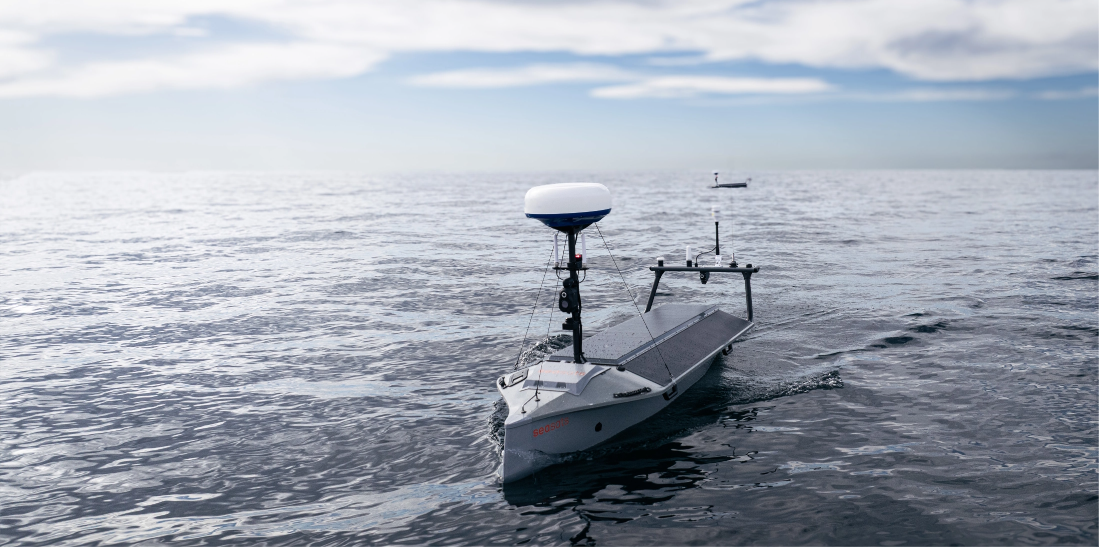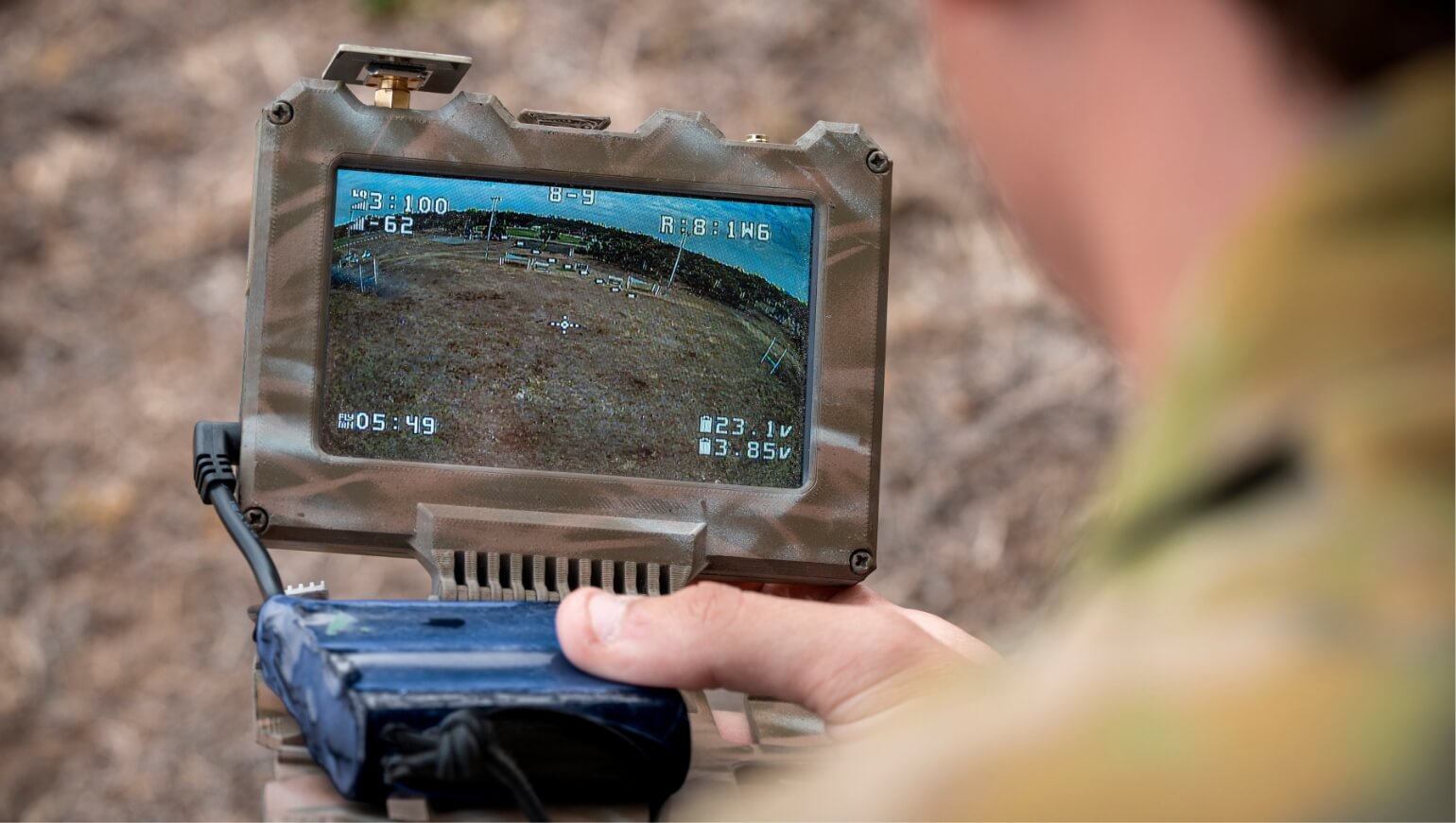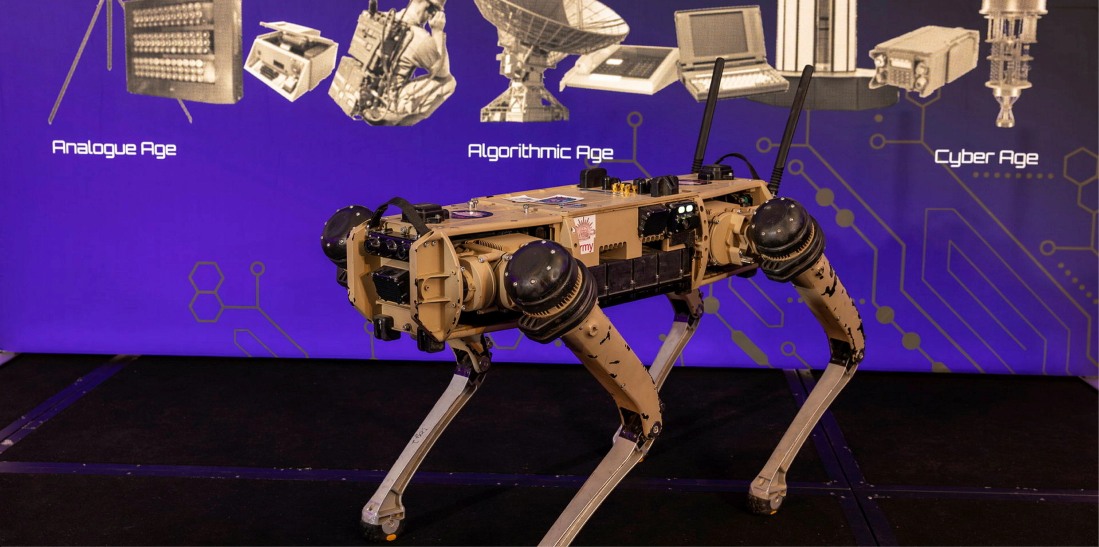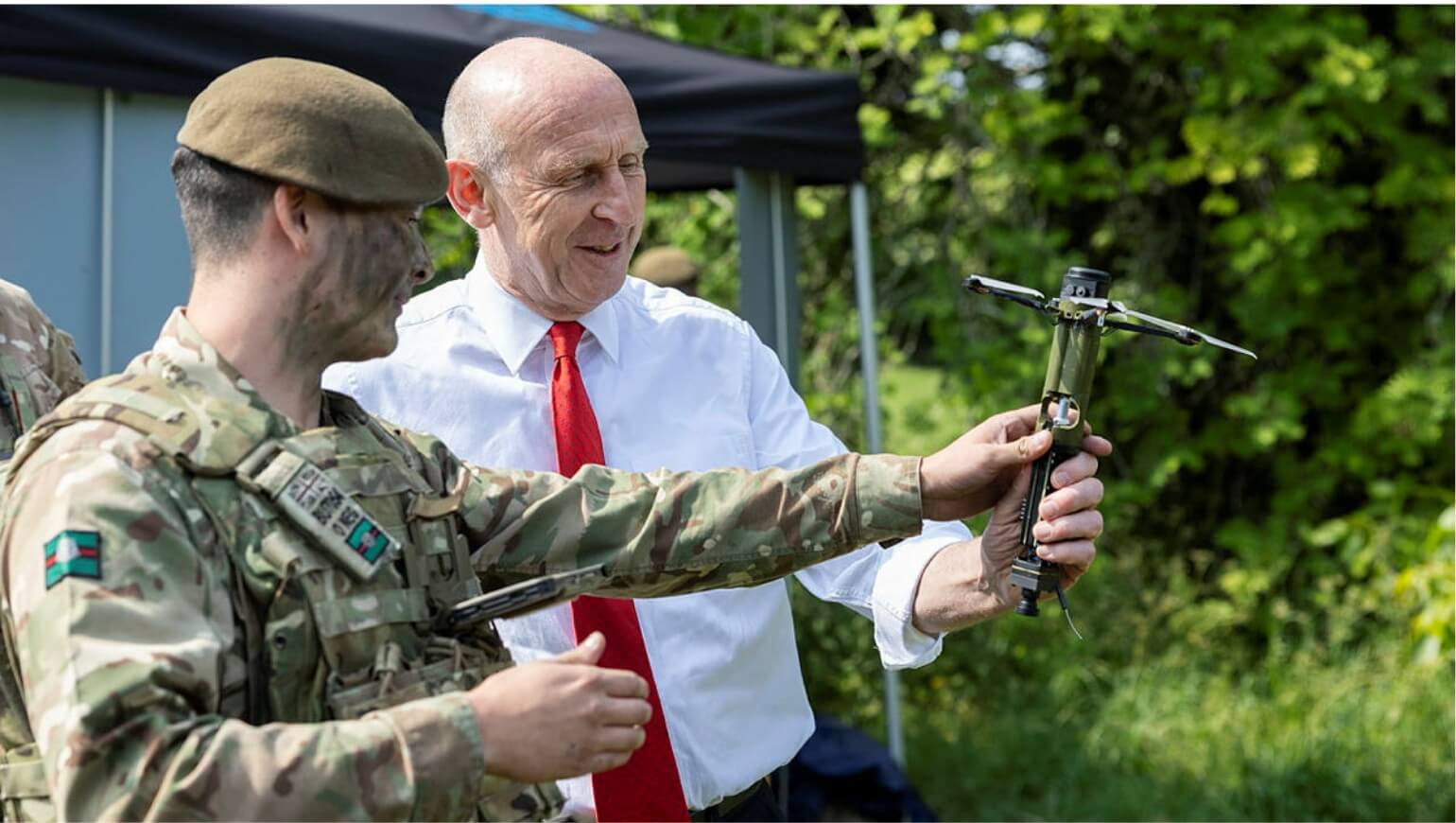


That is the shift now underway in autonomous and uncrewed systems.
For decades, uncrewed platforms were extensions of the operator. They collected data, streamed it back, and relied on human judgement to make sense of it. In permissive environments, that model worked. But as recent conflicts have shown, the modern battlespace is no longer permissive. Communications are disrupted, data links are contested and speed of decision making has become critical.
Autonomous systems must now do more than observe. They must understand, decide and act, often at the edge.
Autonomous systems must now do more than observe. They must understand, decide and act, often at the edge.”
Just as critically, these systems must operate in environments where other autonomous systems are doing the same. The ability to detect, counter and remain resilient against other uncrewed threats is now inseparable from the development of the capability itself.
But this is where the conversation too often stalls. Because while the platform is visible, tangible and easy to compare, it is not where the real complexity lies.
The real challenge is integration.
It is how sensors are fused. How AI models are trained and deployed. How systems interact across domains. How missions are designed, rehearsed and validated before they ever occur. And ultimately, how all of this is trusted in an operational context.
In short, autonomy is not a platform challenge. It is a systems challenge.
This is why the concept of an ecosystem is becoming central to how autonomous capability is developed in Australia.
Around the country, there is growing depth in the individual components of robotics, autonomous systems and artificial intelligence. Research institutions are pushing the boundaries of AI and machine learning. Universities are building the next generation of engineers and data scientists. Specialist organisations are advancing niche capabilities, from underwater autonomy to sensor innovation and digital twinning.
Individually, these capabilities are strong.
Collectively, they become something much more powerful when connected.
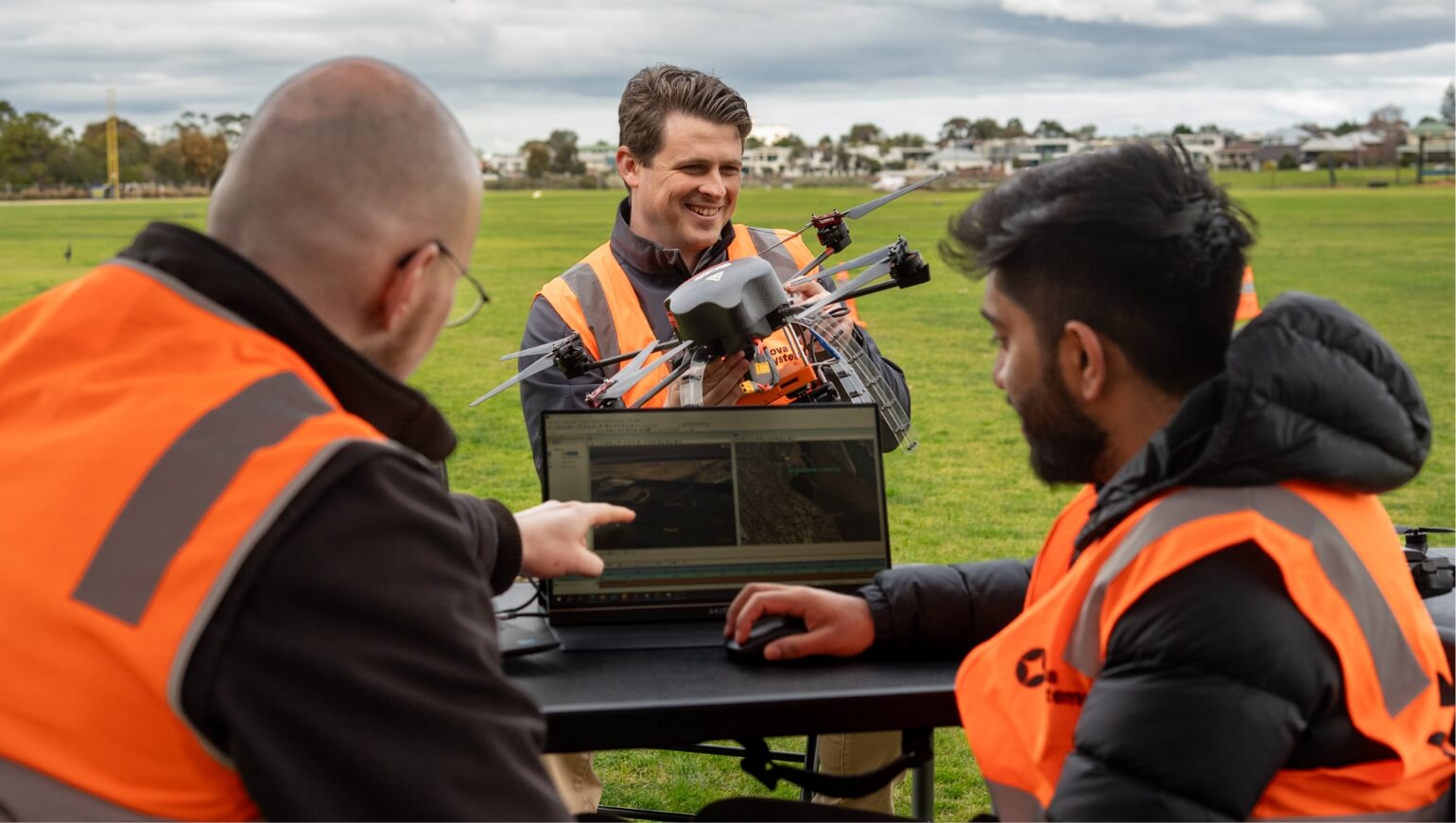
At the centre of this model sits a different kind of organisation. Not a traditional platform manufacturer, but a systems integrator with the know-how to test integrated systems in operationally representative conditions and rapidly iterate to stay ahead of the adversary. One that can bring together disparate technologies, align them to mission requirements, and critically, prove that they work.
That is the role Nova Systems is playing within Australia’s Robotics, Autonomous Systems and Artificial Intelligence (RASAI) ecosystem.
Drawing on deep aerospace engineering and operational expertise, Nova works across the full capability life cycle, from early-stage development through to operational test and evaluation. Its focus is not limited to the vehicle or the platform, but extends to the systems that enable it, the regulatory frameworks that govern it, and the operational context in which it must perform.

That includes building the digital environment behind autonomy.
Through partnerships with global leaders in modelling and simulation, including ANSYS and Synopsys, high-fidelity digital twins and synthetic environments are becoming central to capability development. These environments allow Defence and industry to simulate missions, test integration, and explore system behaviour in ways that would be impossible or impractical to replicate physically.
This “digital shadow” is where autonomy is increasingly proven.
It enables faster iteration, more informed decisions, and a level of assurance that is essential when deploying autonomous systems into complex and contested environments. It also underpins a broader shift towards digital mission engineering, where the mission itself, not just the platform, becomes the focus of design and optimisation.
Importantly, this approach extends beyond Defence.
Facilities such as La Trobe Valley’s Regional Airport testing environment are helping bridge civil and military applications, expanding national capacity and enabling dual-use innovation. At RMIT, research into AI and machine learning is advancing sensor exploitation and decision making. At the Australian Maritime College, expertise in underwater autonomy is contributing to the next generation of maritime systems.
Each represents a specialised capability.
Together, connected through a systems integrator and underpinned by a digital backbone, they form an ecosystem that can deliver operational outcomes.
There is also a workforce dimension that cannot be ignored. Autonomous systems demand new skills across engineering, data science, operations and assurance. Building this capability across Defence and industry is as important as any technology investment.
Because without the people who understand how to design, integrate and test these systems, the capability cannot scale.
This is the lesson emerging from global developments and operational experience. The nations that succeed in autonomy will not be those that simply acquire platforms. They will be the ones that can integrate them, test them, trust them and deploy them as part of a coherent system of systems.
Australia is well placed to do exactly that.
But it requires a shift in focus.
Away from the platform, and towards the ecosystem.
Because in the end, the robot is only the beginning and in an environment defined by both opportunity and threat, ensuring those systems are trusted, resilient and defensible will be just as important as what they are designed to deliver.