






Australia’s future Navy: Deterrence above and below the waves
Australia’s 2026 National Defence Strategy (NDS) and Integrated Investment Program (IIP) mark a decisive inflection point for the Royal Australian Navy, reshaping not only what the fleet will look like, but how it will fight, sustain itself and project influence across an increasingly contested Indo-Pacific.
The documents collectively signal a shift away from incrementalism towards a more focused, capability-driven approach, one that prioritises deterrence, long-range strike, undersea warfare, and the integration of crewed and uncrewed systems. Yet, as this edition explores, ambition alone is not enough. The central question remains whether Australia can align its strategic intent with the industrial capacity, workforce and fiscal discipline required to deliver a fleet of consequence.
This tension is captured in a piece I wrote – Rightsizing the fleet: Can Australia afford its naval ambitions? – which challenges the underlying assumptions of force expansion and sustainability, urging a more realistic appraisal of cost, complexity and strategic risk. It is a theme that resonates across multiple contributions, particularly as the Navy balances the immediate demands of presence and deterrence with the long-term transition to a nuclear-powered submarine capability under AUKUS.
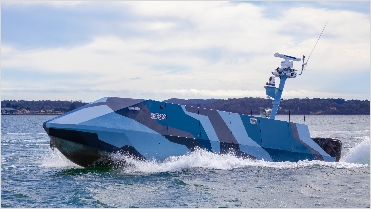
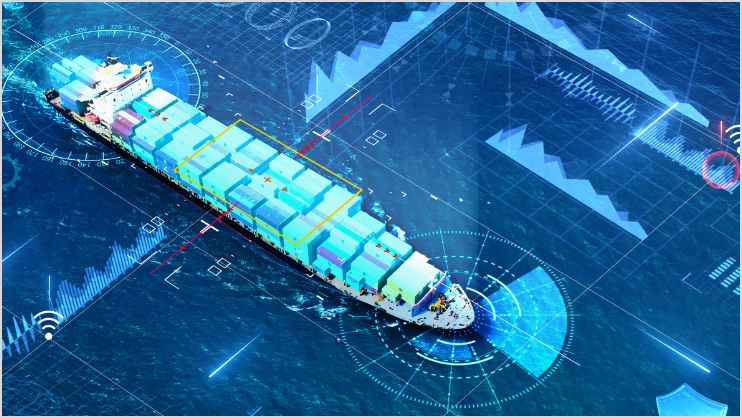
Innovation, however, is not confined to the undersea domain. Our partner, Leidos, unpacks this new reality in Survivability by design: USV effectiveness in contested waters, highlighting the growing importance of uncrewed surface vessels as force multipliers, capable of extending the fleet’s reach while complicating adversary targeting.
This is complemented by senior journalist Robert Dougherty’s piece, Royal Australian Navy surges ahead with Mogami Class frigates, drone integration and saltwater diplomacy, which paints a picture of a Navy embracing a more distributed, networked and regionally engaged posture.
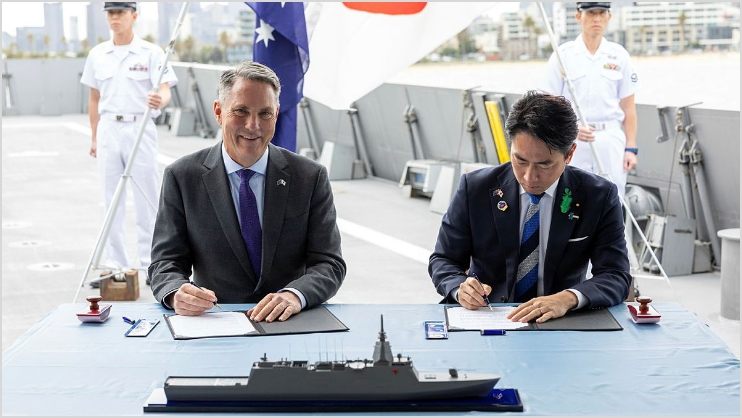
At the heart of this transformation lies the evolving surface combatant fleet. From frigates to destroyers: How the Mogami partnership is reshaping Australia’s naval future, again by me, explores how international collaboration – particularly with Japan – may offer a pathway to rapidly enhance capability while managing risk. This raises important questions about sovereignty, interoperability and the extent to which Australia can or should rely on trusted partners to accelerate delivery.
Infrastructure and sustainment are equally critical. From docks to doctrine: the race to build Australia’s ‘nuclear-ready’ AUKUS backbone, in partnership with Stantec, underscores the scale of the enterprise required to support nuclear-powered submarines, from shipyard upgrades to workforce development and regulatory frameworks. Meanwhile, Sustaining Australia’s naval future: Trusted industry partners and the RAN’s AUKUS-era expansion, in partnership with Serco, reinforces the indispensable role of industry in maintaining readiness and resilience as the fleet grows in size and complexity.
Beyond platforms and infrastructure, the NDS places renewed emphasis on information superiority. Building sovereign ISR advantage: Aligning Australia’s National Defence Strategy with industrial capability, with partner OMNI, examines how Australia can develop a truly sovereign intelligence, surveillance and reconnaissance ecosystem, one that underpins decision making and enables effective joint operations.
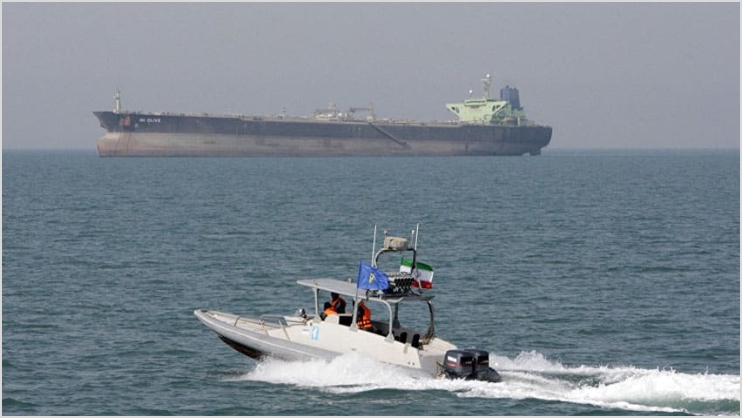
Finally, strategy cannot be divorced from geography. Why the Strait of Hormuz matters more than ever to Australia by journalist Bethany Alvaro serves as a timely reminder that Australia’s maritime interests are global as well as regional, and that the RAN must be prepared to operate far from home in defence of critical trade routes and strategic partnerships.
Taken together, these contributions highlight a Navy in transition – ambitious, adaptive, but facing hard choices. The 2026 NDS and IIP provide the framework, but execution will determine whether Australia’s naval aspirations translate into credible, sustainable maritime power.
Enjoy the special report,
Steve Kuper
Lead – Defence & Aerospace