

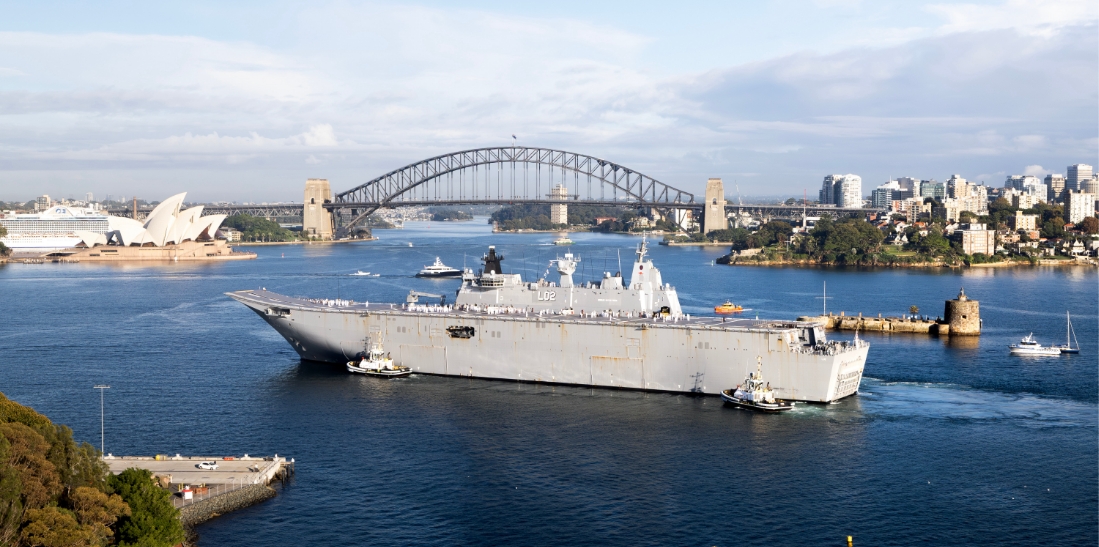
The Navy’s importance to national security has been recognised, emerging as the golden child of the recent 2026 National Defence Strategy (NDS) and supporting Integrated Investment Program. Australia has invested $94 to $130 billion over the next decade to deliver undersea warfare capabilities and an additional $52 to $65 billion to support the delivery of the enhanced lethality surface combatant fleet.
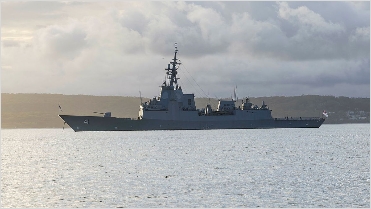
Six Hunter Class anti-submarine frigates are expected to serve alongside three upgraded Hobart Class destroyers and up to 11 incoming evolved/upgraded Mogami Class frigates to replace the ageing Anzac Class frigates. The government remains committed to the six large optionally crewed surface vessels, six Arafura Class patrol vessels and 10 Evolved Cape Class patrol boats, alongside the continued operation of the expanded, three-dozen strong fleet of MH-60R Romeo anti-submarine helicopter fleet. These capabilities support continued acquisition of the Tomahawk land attack cruise missiles for the Hobart Class destroyers as well as continued exploration into the “suitability of fitting the system onto the Hunter Class frigates”.
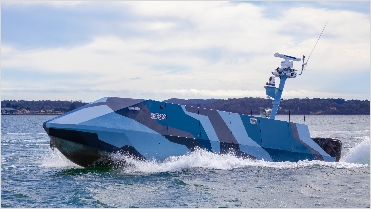
The 2026 NDS confirms around $7.8 to $11 billion will be spent over the next decade to ensure that the Collins Class fleet remains a viable strike asset and an additional $4.8–5.8 billion will be invested over the next decade to continue acquisition of autonomous and uncrewed undersea warfare vessels, including Anduril’s Ghost Shark and the C2 Robotics’ Speartooth, to be supported by an expanded fleet of Bluebottle uncrewed surface vessels.
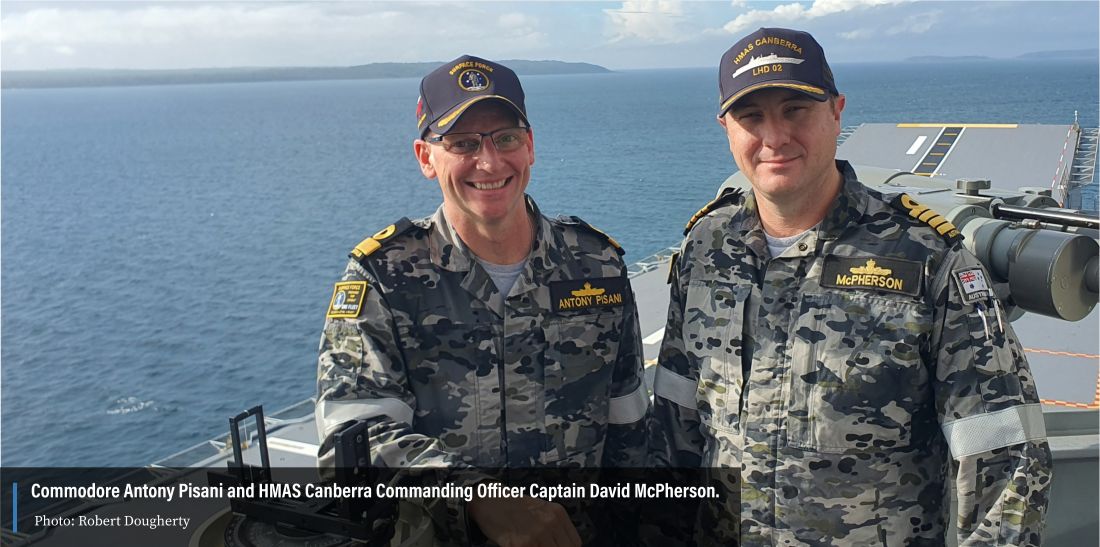
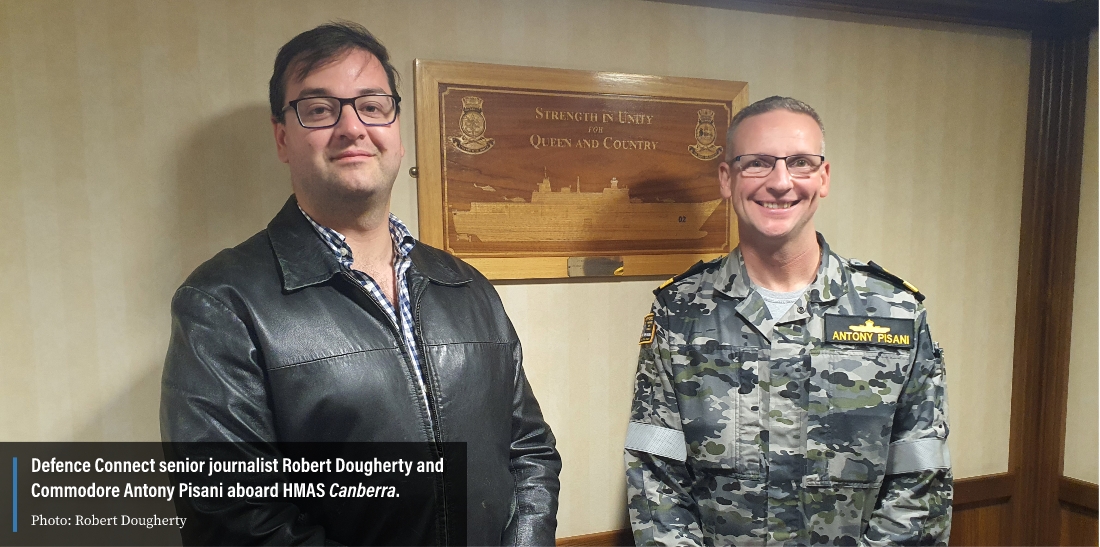
With the future firmly in mind, Royal Australian Navy Commander Surface Force, Commodore Antony Pisani CSC, sat down with Defence Connect for a question-and-answer interview aboard the helicopter landing dock HMAS Canberra before Exercise Kakadu in Sydney last month.
Defence Connect: We often hear that this period of global history being described as the “most challenging time since World War II”, what does that look like for the Royal Australian Navy surface fleet?
Commodore Pisani: I think for me, I refer back to what our Chief of Navy says, and that is looking at diplomacy, deterrence and defence.
We are saltwater diplomats and this (Exercise Kakadu) is saltwater diplomacy in its most practical sense. We are building our relationships with our partners and allies. We’re exercising together, we’re learning from each other and we’re better understanding what it is that we do together. That’s the diplomacy part.
This creates a deterrent effect, but also what we’re doing while we exercise is high-end warfighting. So, we’re learning about how do we operate together and if we’re ever required to enter into conflict and operate as a group of nations like that, we understand how to defend our own national interests and the like.
DC: There’s been a lot of talk about autonomous or uncrewed capability being developed with Ghost Shark, Bluebottle. Where do you see that heading into the future, as well as potential aerial assets?
Commodore Pisani: As technology evolves, we factor that into the entire force. And so, some of them complement each other, some of them operate from each other. As we start to acquire these capabilities and as we start to better understand how they’re best employed, we will work out how that occurs.
How do we get the most out of our crewed platforms to enable our uncrewed systems? And then how do the two team and complement each other as well? And that’s all part of that evolution that will include all of our ships.
Our patrol boats at the moment have uncrewed aerial systems on them that we’re trialling … It doesn’t matter what the platform is, it’s about how do we then put the capabilities together and make it work.
Our frigates previously used S100 uncrewed aerial systems and the like … And we also have those emerging pieces around Ghost Shark and the like. So, there is a fair bit being done … And a lot of it includes sovereign Australian industry and Australian industries, which is also pretty positive as well.
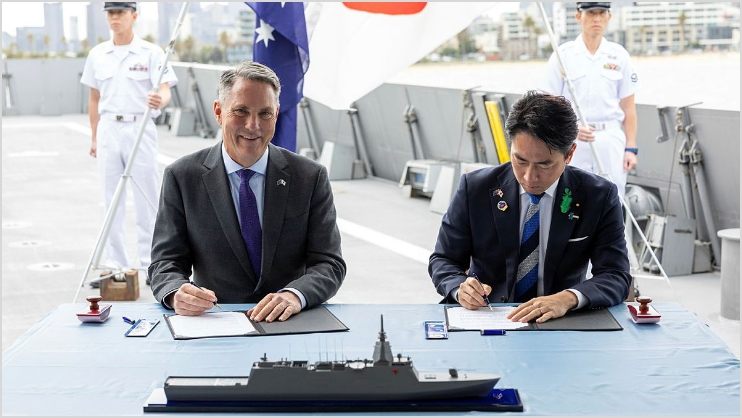
DC: What about the incoming Mogami Class frigates, how will they be integrated into the RAN fleet of surface vessels?
Commodore Pisani: As part of our assessment, we totally understood what the platform entailed. What did it mean to operate it, what does it mean to sustain and maintain it? And we’ve already got a structure where we already have an organisation that supports our frigates and they will simply continue to grow off that existing organisation and so they will perform similar roles but with newer technology.
The challenge for us is embracing that technology, learning how to do it, which we’ll do through the next couple of years before they arrive and by spending time and having them come down here and showing us how they use it.
We’ve got sea riders on there (on the Japanese Mogami Class frigate JS Kumano) at the moment, so there’s a number of people that sea rode it all the way around and for its whole time it’s here in Australia, we’re going to have an Australian team embarked and so we are learning how to use it right now.
And so, it’s those things that will derisk its introduction into service. We’ve learned a lot, as the ANAO report said, around the LHD about introduction to service. We’ve learned a lot about how we introduce platforms into service and how we make it as effective and as efficient as possible and by understanding the risks and the capabilities.
So, I think our system and our enterprise and our organisations maturing by the fact now we’ve got two years to have Australians crawl all over it, we’ve got teams in Japan.
We will have a greater understanding of how to use it before it arrives and the best part is we’re doing it with a strategic partner. So, we have some pretty significant strategic-level partnerships and agreements with Japan which allow the sharing of information, reciprocal access agreements for movement of people, all those things that make it pretty streamlined to be able to do things quickly and easily as well.
DC: The founding priorities of the Royal Australian Navy have traditionally revolved around coastal defence of Australia and assistance to a higher power, which at that time was the United Kingdom. Are those still the same priorities today?
Commodore Pisani: The National Defence Strategy 2024, and updated one this year, defined what our priorities are and defined what we need to do to defend our national and strategic interests.
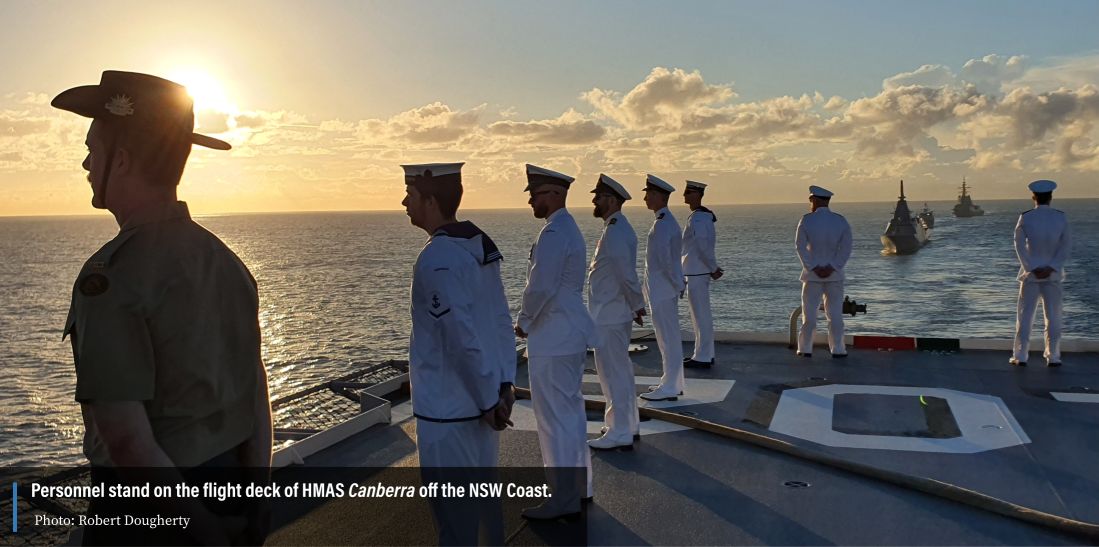
And so that strategy of deterrence by denial, that is what our defence force and the integrated force is designed to be able to do … We need to be ready as a nation to beat the fact that we may need to fight from the mainland and from the nation in order to defend our interests if required.
Ultimately, we’re trying to prevent aggression and coercive actions against our national interests, our trade and our economic prosperity.
The strategy clearly outlines what our priorities are as well … you don’t get conventionally armed nuclear-powered submarines to do coastal defence, you do it to deter state conflict.
And so I think you can see the trajectory of what capabilities we’re acquiring and therefore what we’re doing. But it may entail everything from our coastline out.
One of the key priorities is enhancing our alliances and our partnerships with all those in the region and like-minded nations … Our alliance with the US is central to what we do and we don’t underestimate that. We understand how significant that is in terms of our security architecture (and) we do not foresee that changing in terms of who our key ally will be.
DC: The US Department of War has confirmed that they’re pushing for a more lethal force and also tightening fitness level standards across all of their staff. Is that an approach that you can see Navy taking for Australia in terms of more of a lethality focus rather than what has traditionally been a humanitarian role?
Commodore Pisani: We are a focused force and our thinking is becoming focused as well in terms of around lethality, being fit to fight.
A military that understands a force structure and has best practice sets itself up for success, you should be able to do the high end. And if you do the high end, you can do everything else underneath it.
A military that understands a force structure and has best practice sets itself up for success, you should be able to do the high end. And if you do the high end, you can do everything else underneath it.”
- Commodore Antony Pisani CSC
We’re focusing in on the high end. And by virtue of being able to do that, we can do humanitarian resistance and disaster relief, we can do non-combatant evacuation operations, we can support Australian states and territories if they need defence assistance to the civil community, whether it be because of a natural disaster or a pandemic.
Whilst we are not sometimes the first person in the pecking order, we’re at least an option available to government if they decide to, depending on the complexity of it. And so that focused force is resonating through all aspects of the way we do business.
Defence Connect has made minor edits to the above interview for clarity and reader experience.